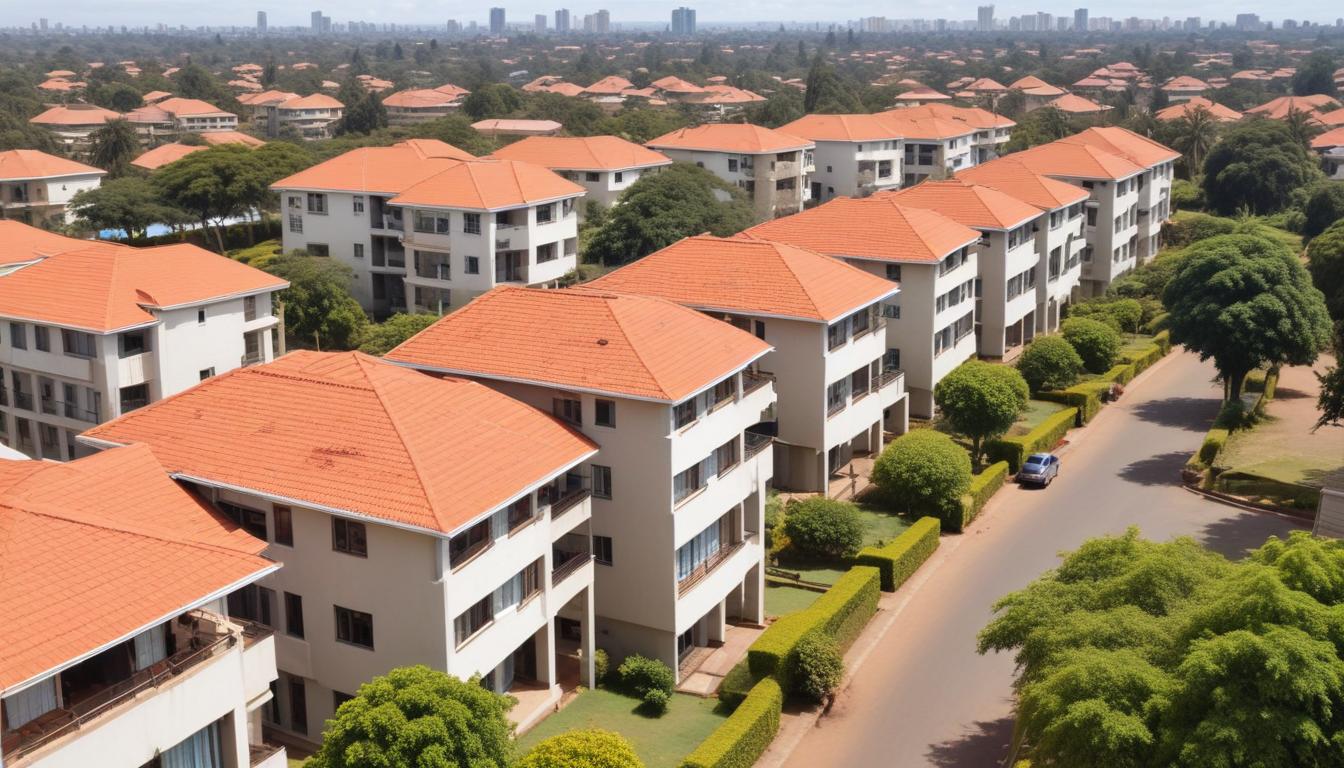
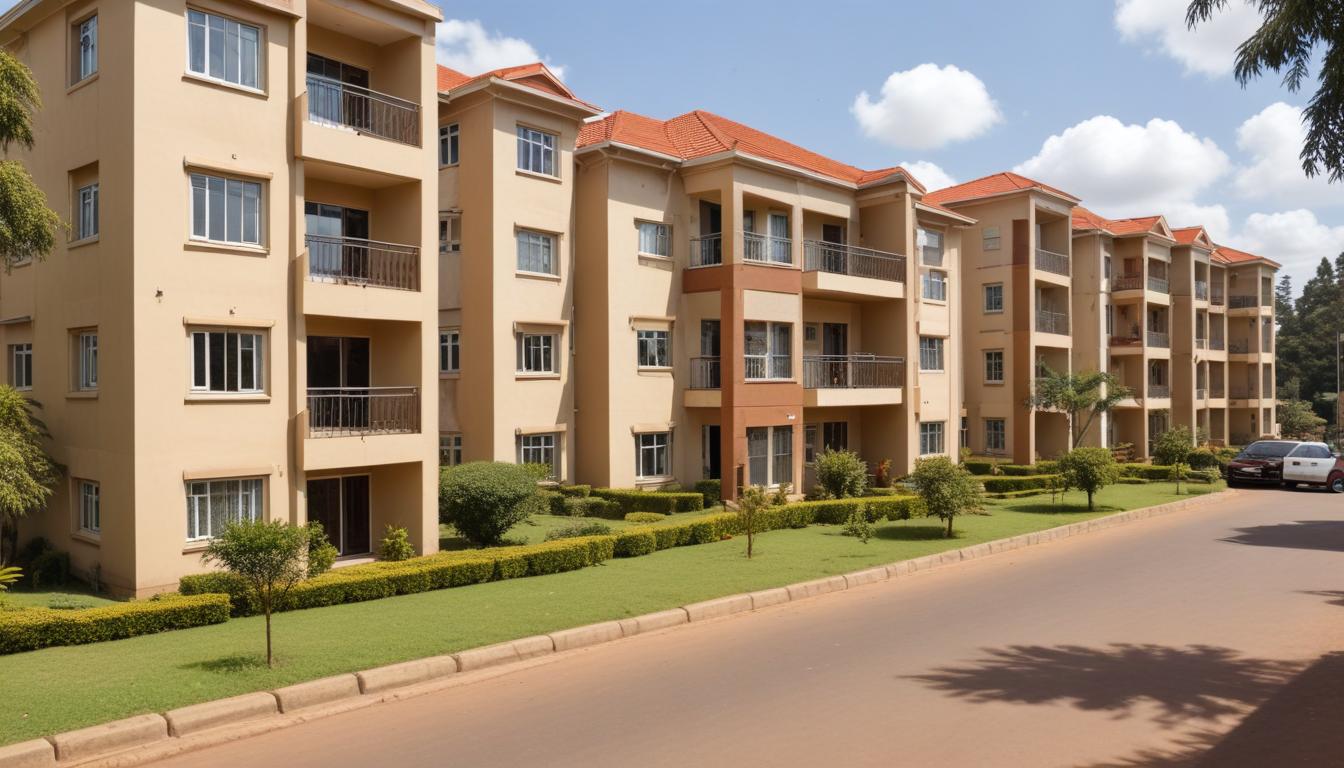
What Nairobi's auction results and price data are signalling to landlords right now
Recent property clearance rates and neighbourhood valuations point to shifting yields—and smarter plays for income-focused investors.
Recent property clearance rates and neighbourhood valuations point to shifting yields—and smarter plays for income-focused investors.

Nairobi's rental market is sending mixed signals, and the auction block is where truth emerges. Recent clearance data reveals that while demand remains robust across established corridors, the yields landlords can extract are increasingly tied to micro-location choices rather than blanket buys across popular zones.
Consider the evidence. Empty land parcels in fringe areas have commanded near-peak valuations despite lower uptake rates—a classic sign that speculative fever still grips the market, but end-user and rental-focused buyers are more discerning. For landlords, this spells opportunity in the form of widening spreads between aspirational asking prices and realistic rental return multiples.
The Westlands and Lavington premium neighbourhoods, long the refuge of yield-hunting investors, are showing rental multiplier compression. A two-bedroom apartment in Westlands now sits at roughly 250–300 times monthly rent as capital value—meaning a unit renting for KES 120,000 per month might trade near KES 30 million. That's a 4.8 per cent gross yield before maintenance, rates, and vacancy. Not poor, but flat compared to three years ago.
Where the auction data becomes revealing is in secondary corridors. Kileleshwa and Kilimani have seen stabilisation in capital values around KES 12–15 million for comparable units, yet rental demand has remained sticky. Properties that attracted speculative bids two years ago are now changing hands to buy-to-let investors at more sustainable entry points. Yields here are edging toward 6–7 per cent gross—material enough to justify the lower prestige profile.
The growth corridors—Ruaka and Syokimau—present a different puzzle. Land auction results show raw plots moving, but the gap between land price and developable rental yield remains wide. Developers are bidding confidently, signalling confidence in long-term absorption. For landlords, the lesson is clear: build-to-hold in these zones makes sense only if you accept a three- to five-year hold period before rental yields become meaningful.
The Nairobi property market's own auction houses—whether formal venues like the Law Courts or informal private sales tracked by agents—continue to reveal that buyers are pricing in regulation risk, infrastructure timeline uncertainty, and an increasingly discerning tenant base. Landlords sitting on under-utilised stock or overvalued portfolios face pressure.
The signal: location quality and tenant quality matter more than ever. Premium addresses on Muthangari Drive or ring-road adjacency remain yields-competitive if leased to professional tenants. Marginal properties in saturated mid-range zones face compression. And data suggests the next upside lies in patient, targeted purchases in maturing secondary corridors—where auctions are finally pricing in reality.
This article was compiled by AI from the sources linked above and screened before publishing. See our editorial standards.
How does this story make you feel?
Spread the word
About this article
Published by The Daily Nairobi
Daily brief
Free, in your inbox before 7am. Weekdays.
More in Property