Rental squeeze: how Nairobi's tight market is reshaping the landlord-tenant dynamic
As yields compress and tenant demand outpaces supply across the city's prime zones, both sides of the rental equation face mounting pressure.
As yields compress and tenant demand outpaces supply across the city's prime zones, both sides of the rental equation face mounting pressure.

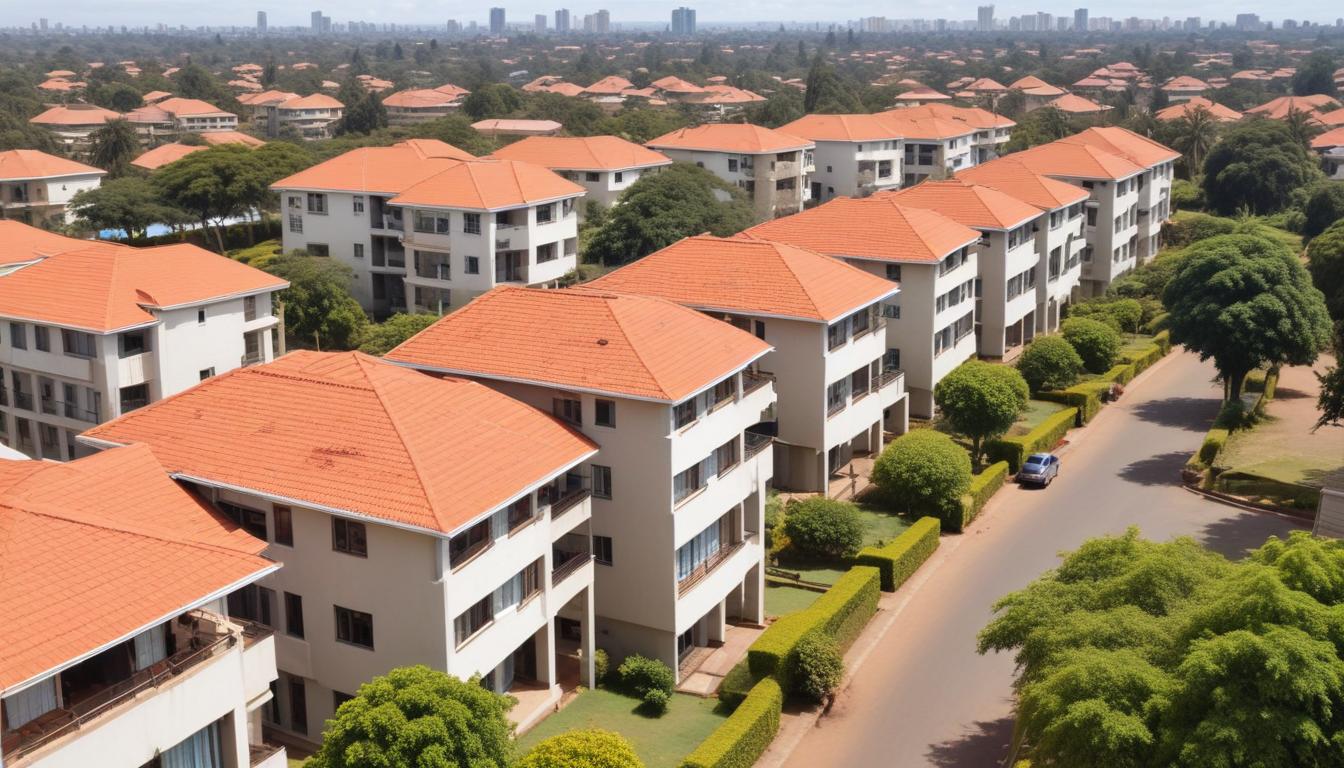
Nairobi's rental market has entered a new phase. With average property values hovering around KES 15 million across the city, landlords are discovering that their investment returns no longer stretch as far as they once did, while tenants face a shrinking pool of affordable options in desirable neighbourhoods.
The tension is most acute in Nairobi's premium corridors. In Westlands and Lavington, where commercial activity and expatriate demand have traditionally anchored high rents, landlords report that achieving yields above 5 percent now requires either premium locations or significant capital restraint. A two-bedroom apartment in Lavington that might fetch KES 120,000 monthly represents a 5.2 percent gross yield on a KES 28 million purchase price—before maintenance, property tax, and management costs. Net returns often fall to 3-4 percent, forcing property owners to hold longer or consider alternative strategies.
The pressure is trickling downstream into secondary markets like Kileleshwa and Kilimani, traditionally popular with young professionals and families. Tenant complaints about rising rents are mounting, with landlords citing property rates increases and rising maintenance costs. Many are passing these expenses directly to renters, creating friction that property managers at firms across Karen and Nairobi's central business district say is straining relationships.
Growth corridors tell a different story. In Ruaka and Syokimau, where land is cheaper and new developments continue to absorb demand, yields remain more attractive—sometimes reaching 6-7 percent—though tenant turnover tends to be higher and rental collection can be inconsistent.
Smart landlords are adapting. Rather than chasing top-line rent, some are improving unit quality, investing in shared amenities, or bundling services like water and waste management to justify premiums while reducing tenant friction. Others are shifting focus toward corporate leasing, where demand remains steady and payment terms are more reliable.
For tenants, the calculus is harder. With salaries lagging rent growth across most professional sectors, renters are either moving further from the city centre—extending commutes from South B to Syokimau—or accepting smaller spaces. The shortage of genuinely affordable units in accessible neighbourhoods has created a bottleneck that development hasn't yet solved.
Market experts suggest the current conditions favour disciplined landlords with manageable debt, while squeezing those who over-leveraged during the boom years. The rental market isn't breaking, but it is rebalancing—and both sides will need to recalibrate expectations.
This article was compiled by AI from the sources linked above and screened before publishing. See our editorial standards.
How does this story make you feel?
Spread the word
About this article
Published by The Daily Nairobi
Daily brief
Free, in your inbox before 7am. Weekdays.
More in Property