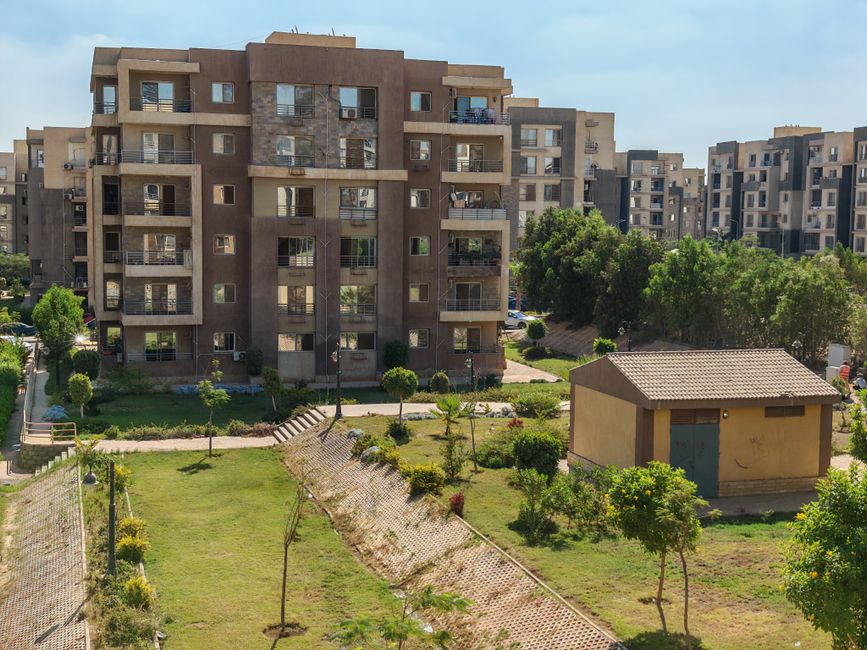
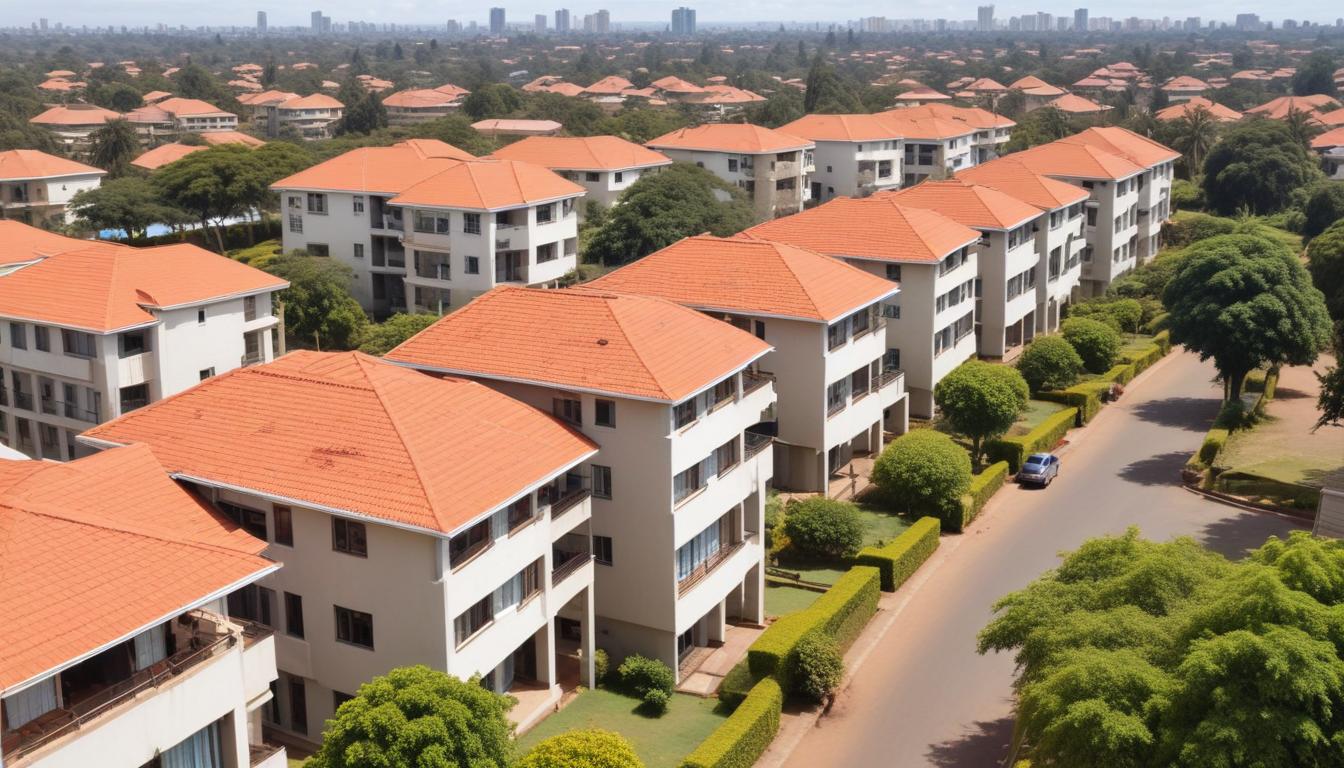
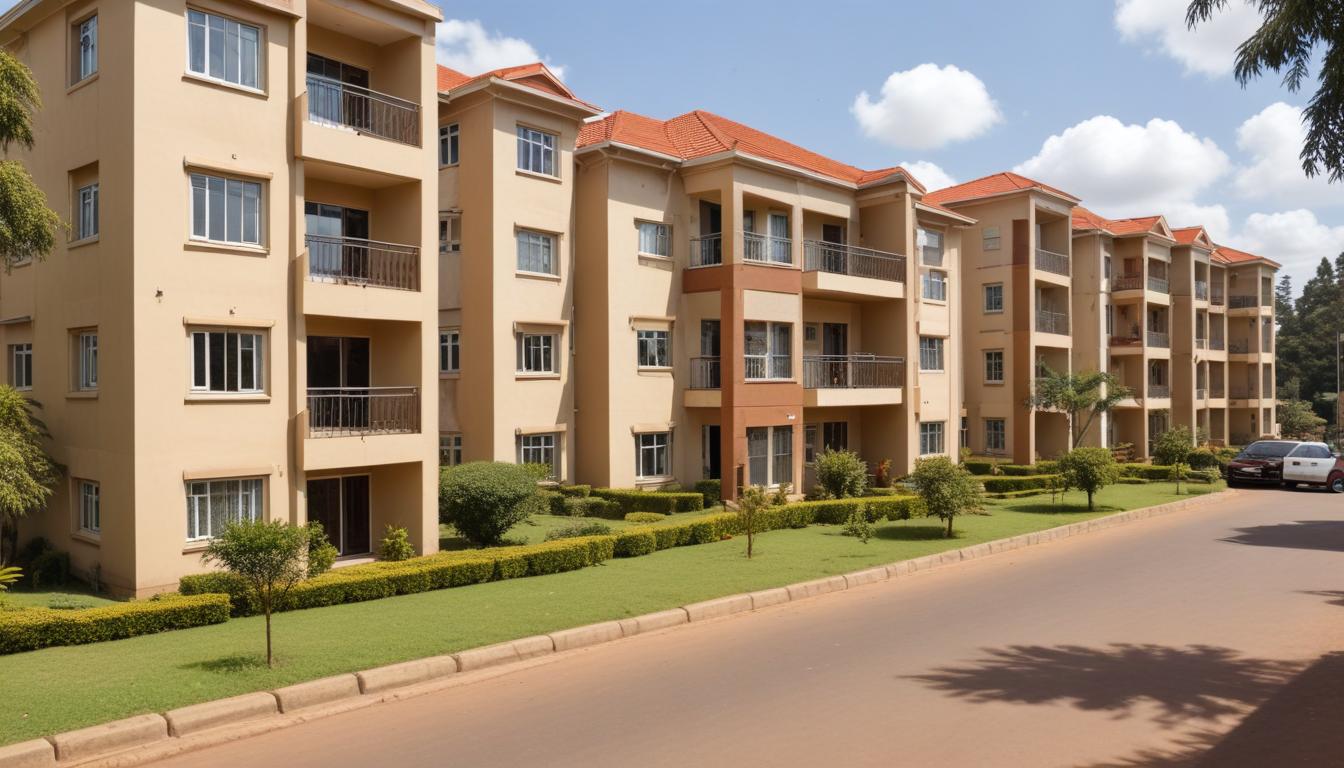
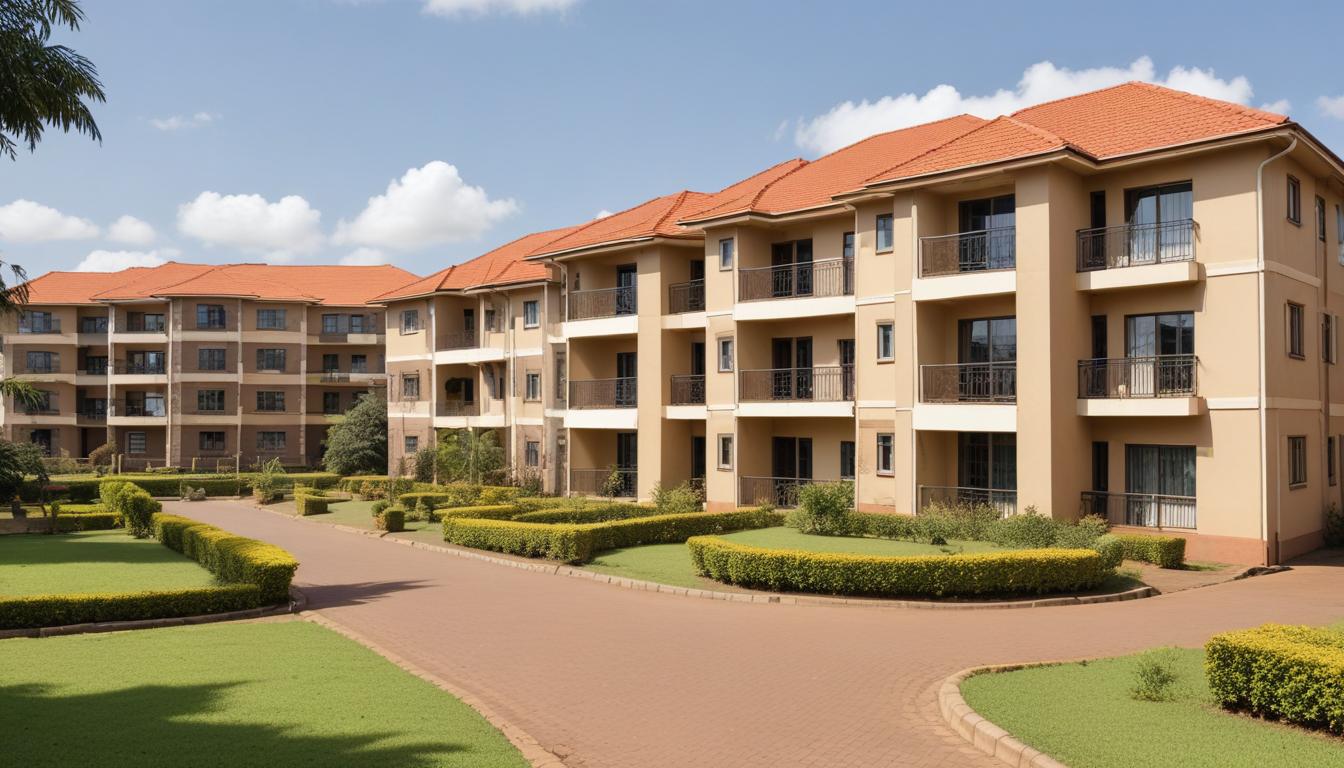
The Nairobi property market is experiencing a subtle but significant shift. While the city's average property price hovers around KES 15 million, emerging residential developments in Kileleshwa, Kilimani, and the expanding Ruaka and Syokimau corridors are creating new entry points for first-time homebuyers—if they understand how to navigate financing and leverage available grants.
Recent large-scale projects in these areas have triggered renewed interest from financial institutions and government bodies. The Central Bank's Affordable Housing Programme, combined with initiatives from the Kenya Mortgage Refinance Company (KMRC), now covers select new developments where project developers have partnered with approved lenders. For first-time buyers, this means lower down payments—sometimes as little as 10 per cent—and longer repayment periods up to 25 years.
The critical advantage of purchasing in these new developments lies in infrastructure timing. Projects rising along the Thika Superhighway corridor and towards Syokimau benefit from completed or near-complete road networks, water systems, and planned commercial hubs. A two-bedroom apartment in a new Kileleshwa development currently prices between KES 8-12 million, significantly below the broader market average, whilst properties in established Westlands and Lavington remain firmly in the KES 20-35 million range.
However, first-time buyers must move strategically. Grant eligibility—particularly through the National Housing Development Fund—typically requires proof of income, employment history, and absence of existing mortgages. Applications processed through participating banks along Kenyatta Avenue and Nairobi CBD now include digital pathways that reduce approval timelines from six months to as little as eight weeks.
Location selection remains paramount. Developments near the Nairobi Innovation Hub, along Limuru Road in Kileleshwa, or within the Ruaka tech corridor offer dual benefits: affordable entry pricing and proximity to employment centres, reducing transport costs that strain monthly budgets. Conversely, off-plan purchases in remote sections of Syokimau, whilst cheaper, risk depreciation if infrastructure lags.
The emerging narrative for 2026 is clear: new developments are democratising homeownership in Nairobi's middle tier. First-time buyers who act now—securing pre-launch allocations, locking current pricing, and applying for grants before projects reach completion—position themselves ahead of inevitable price escalation. The window is narrowing as demand accelerates, particularly among young professionals earning KES 200,000-500,000 monthly who previously felt locked out of property ownership entirely.
This article was compiled by AI from the sources linked above and screened before publishing. See our editorial standards.