Nairobi's luxury property market has long orbited around Westlands and Lavington, but the past eighteen months have brought a seismic recalibration. Rather than incremental infill, developers are now proposing integrated lifestyle complexes that challenge the neighbourhood's established character—and its price expectations.
The shift is measurable. While the Nairobi average hovers near KES 15 million, premium addresses in Westlands command KES 40–65 million for comparable space. Yet the new wave of projects—mixed-use towers with private amenities, underground parking, and curated commercial anchors—are pushing those benchmarks upward by 15–20 percent. The signal is unmistakable: location is being rewritten by infrastructure and community design, not just postcode nostalgia.
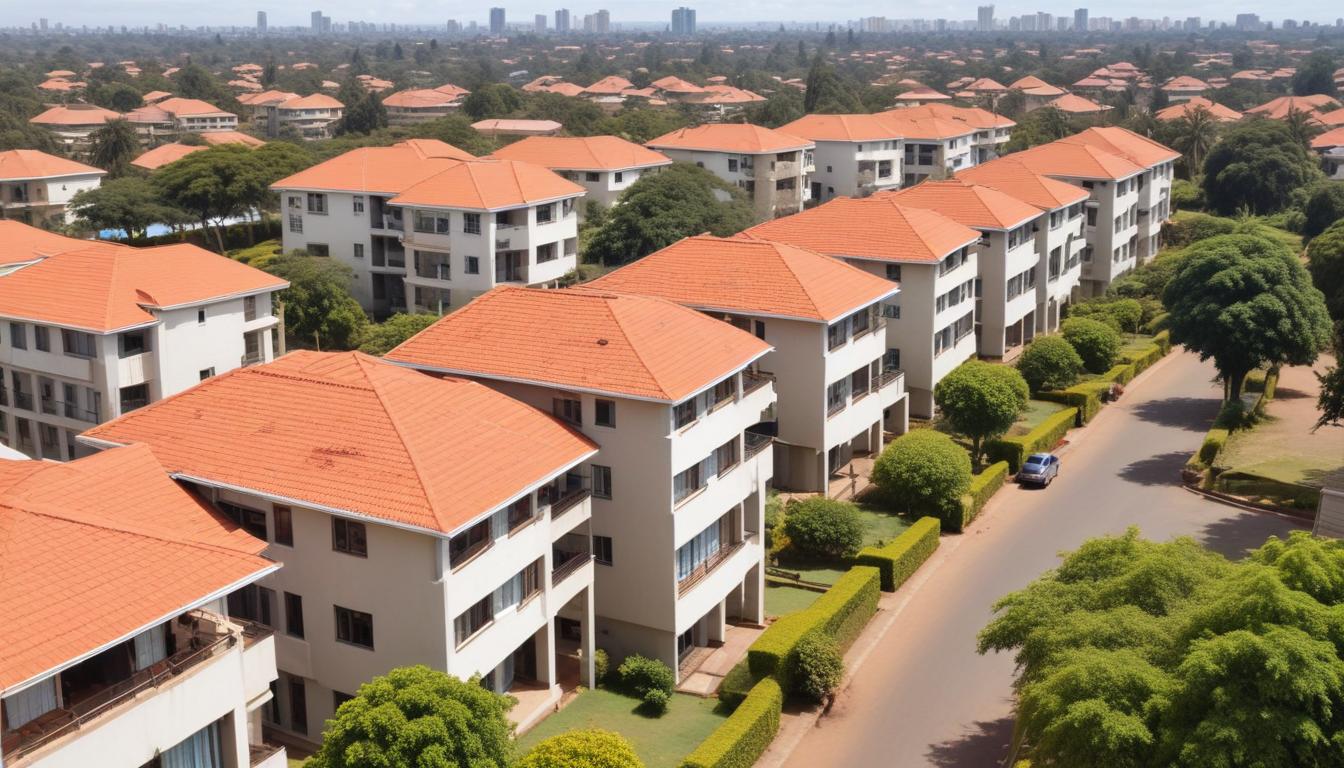
Consider what's unfolding near Chiromo Lane. Developers are consolidating fragmented plots to create developments with integrated wellness facilities, co-working spaces, and ground-floor retail. For residents accustomed to the leafy, low-rise character of adjacent Kilimani, this represents a tangible density shift. Yet early buyers are absorbing premium unit prices—some exceeding KES 60 million for three-bedroom apartments—suggesting confidence that the trade-off between greenery and urban convenience is worth the premium.
The pattern mirrors what we've seen in secondary corridors like Kileleshwa and Ruaka, where growth momentum has historically outpaced established zones. But Westlands' new projects carry higher stakes. The neighbourhood hosts multinational offices, international schools, and fine dining anchors that have entrenched its status. Adding vertical, mixed-use developments alongside this infrastructure doesn't diminish prestige—it reframes it. The buyer shifting from a standalone villa to a 25th-floor apartment isn't downgrading; they're optimising.
These developments also signal something deeper: acknowledgment that Nairobi's super-wealthy have fragmented. Some prioritise the private estate model—think gated Lavington compounds. Others are drawn to curated urban living with restaurants, galleries, and wellness within walking distance. New Westlands projects serve this latter cohort, and their price resilience suggests the market is tilting toward convenience and community design over raw land expanse.
The real question isn't whether these projects succeed—pre-sales data suggests strong uptake. It's whether they fundamentally alter Westlands' trajectory. If the next wave of developments maintains quality finishes, architectural coherence, and genuine amenity integration, Westlands will evolve into a denser, more cosmopolitan neighbourhood while retaining premium positioning. If corners are cut, the neighbourhood risks saturation.
For now, the market is voting with capital. And that vote suggests Nairobi's luxury class is ready for a reinvention of what prestige address means.
This article was compiled by AI from the sources linked above and screened before publishing. See our editorial standards.