New Ruaka Corridor Projects Transform Rental Yields—Here's What Smart Landlords Should Know
As mixed-use developments reshape South Nairobi's property landscape, investors are discovering that location evolution now demands fresh rental strategies.
As mixed-use developments reshape South Nairobi's property landscape, investors are discovering that location evolution now demands fresh rental strategies.
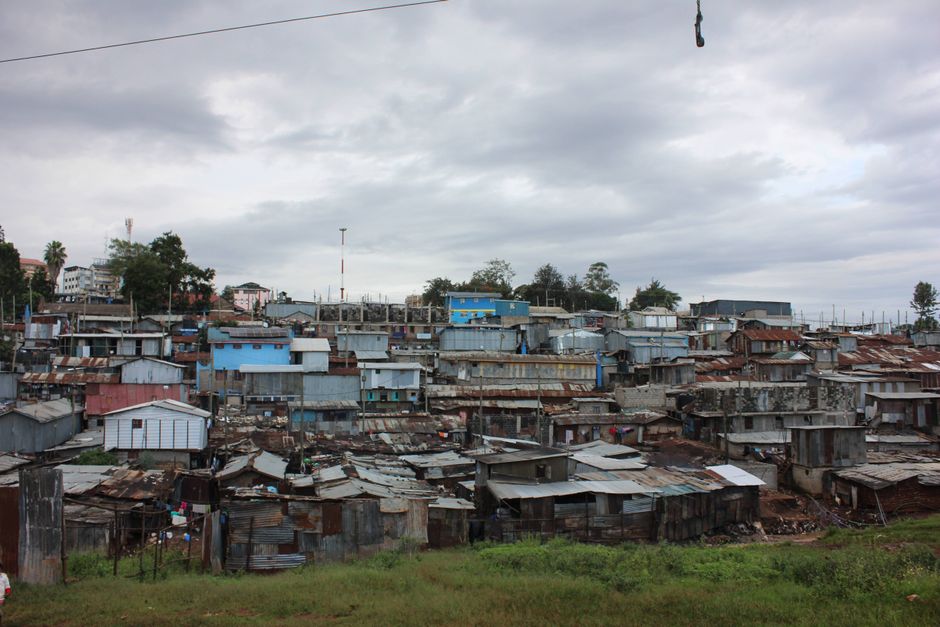
The Ruaka-Syokimau corridor has quietly become Nairobi's most active construction zone, and property investors who understand the mechanics of new development clusters are positioning themselves for returns that outpace the city's 4–6% average yield.
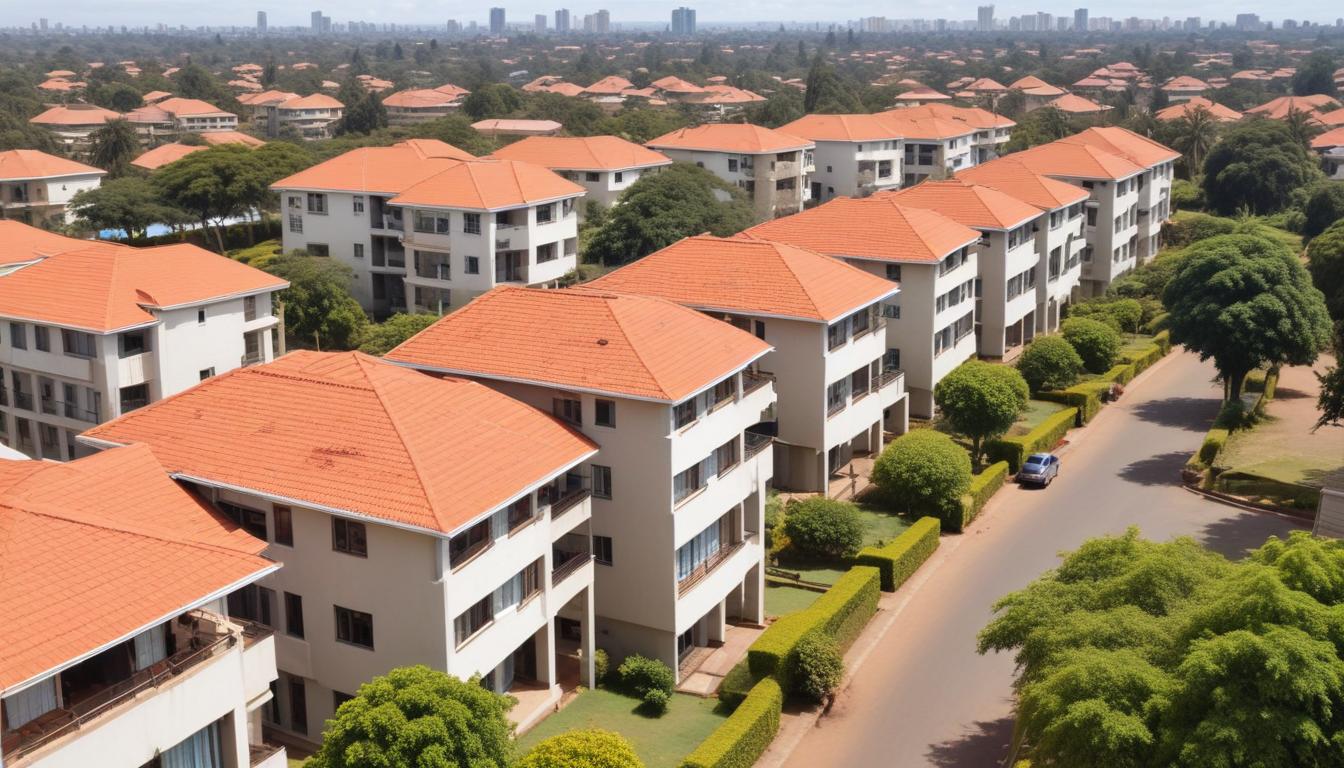
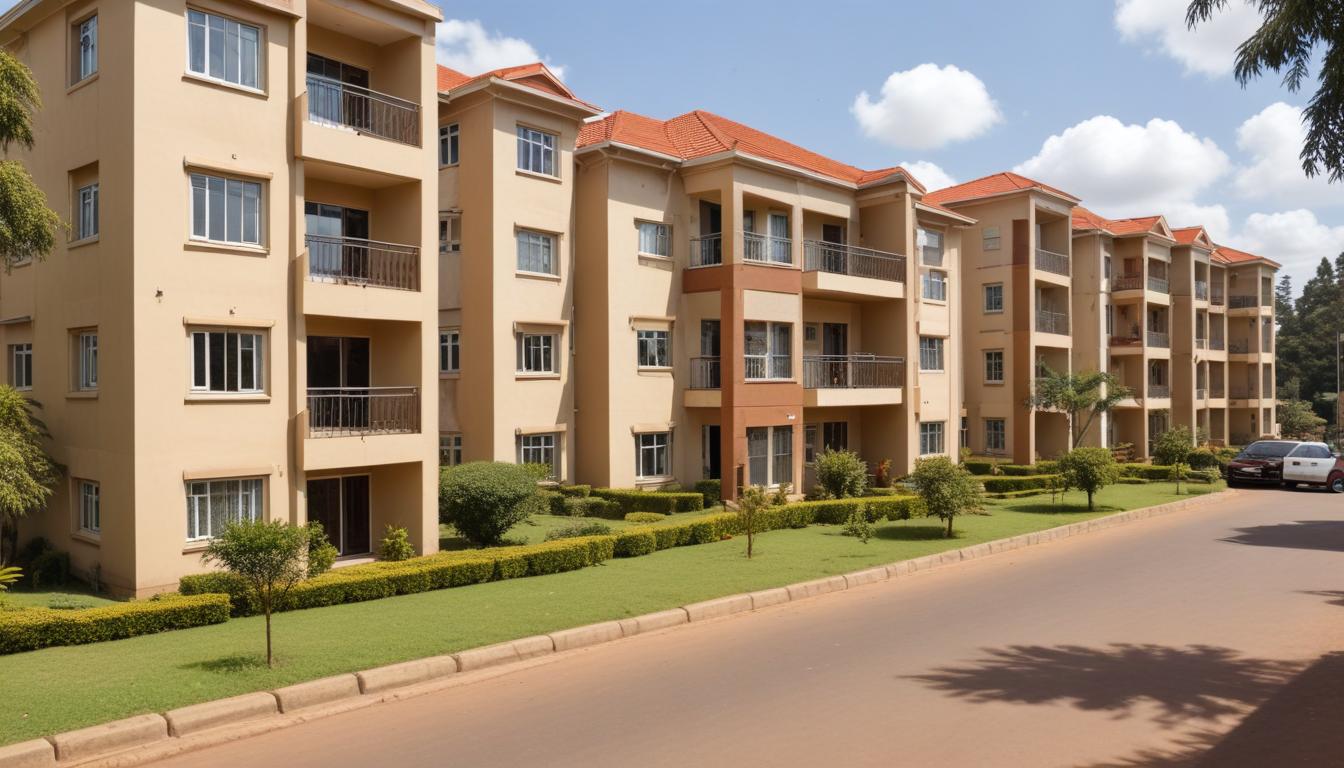
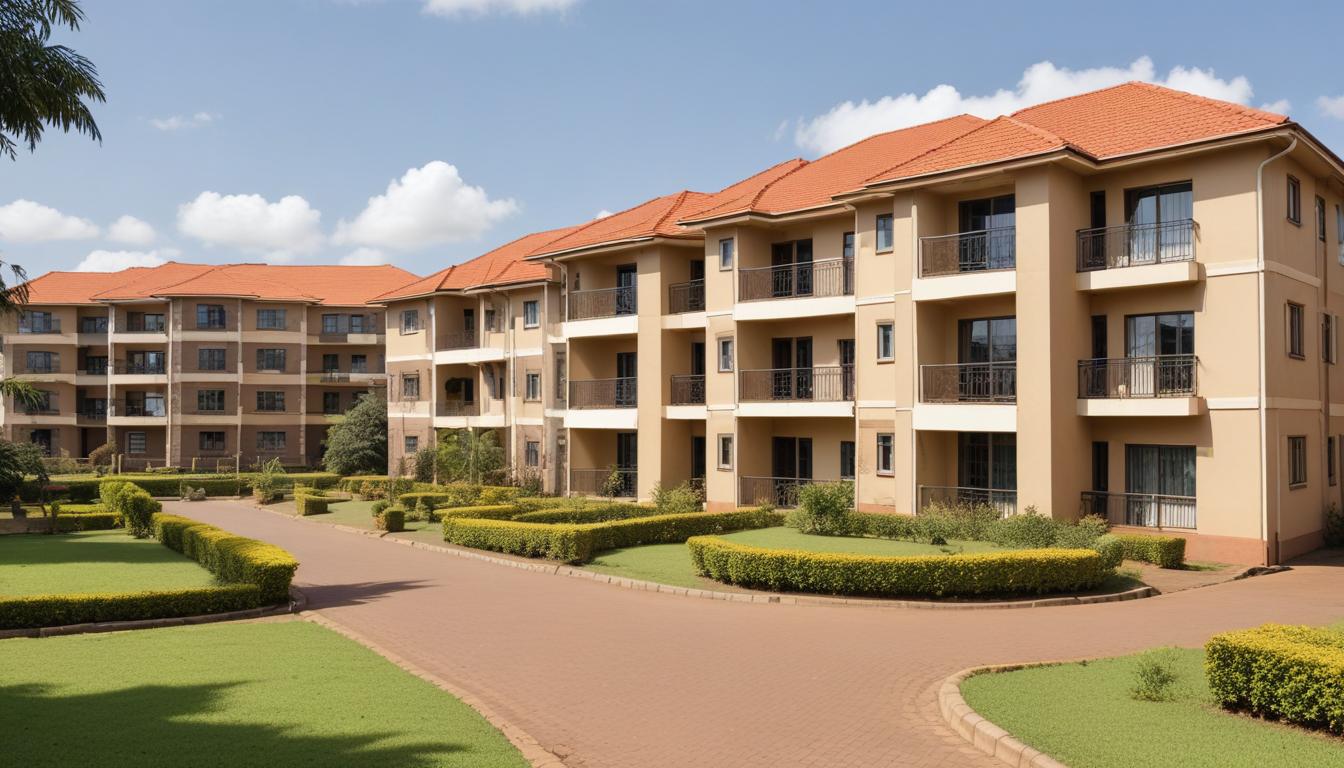
Consider the shift happening around the Ruaka-Limuru Road vicinity. Over the past 18 months, anchor projects—including mixed-use residential complexes, retail hubs, and light industrial zones—have fundamentally altered tenant demand profiles. Where a two-bedroom apartment once fetched KES 35,000–45,000 monthly, comparable units in newly developed estates now command KES 55,000–65,000, driven by improved road networks, banking services, and proximity to the Nairobi Expressway.
The Real Estate Institute of Kenya (REIK) notes that infrastructure maturation in growth corridors typically inflates rental premiums by 25–35% within three years of major project completion. The Limuru Retail Park, alongside ongoing residential tower developments, exemplifies this trend. Investors who bought land at KES 8–10 million per quarter-acre in 2023 now see comparable plots valued at KES 13–15 million—and rental demand has tightened accordingly.
But new development neighbourhoods demand different landlord discipline. First, tenant churn increases during the growth phase. Young professionals and families migrate toward these corridors seeking modern amenities, meaning shorter lease cycles. Smart operators budget for 20–25% vacancy periods and competitive marketing costs.
Second, oversupply risk is real. When multiple developers launch simultaneously—as has happened in Ruaka near the Nyayo Highrise area—rental rates can plateau or soften before stabilizing. Investors banking on perpetual 8% annual yield growth may face reality checks.
The advantage, however, lies in amenity capture. Developments clustering around shopping centres, healthcare facilities, and transport nodes create natural rental premiums. A studio in the heart of newly developed Ruaka near essential services outperforms an identical unit five kilometres away by 30–40% in monthly rent.
For landlords evaluating entry points, the Kileleshwa expansion toward the CBD-fringe offers similar dynamics at slightly lower capital outlay than premium Westlands, while Kilimani's gentrification continues to absorb professional renters seeking accessibility without Lavington price tags.
The broader lesson: new developments reshape neighbourhood economics rapidly. Savvy investors monitor zoning approvals, infrastructure timelines, and tenant migration patterns—not just unit prices. Those who time entry before major projects complete, then optimize for the tenant profile these developments attract, consistently capture above-average yields in Nairobi's evolving landscape.
This article was compiled by AI from the sources linked above and screened before publishing. See our editorial standards.
How does this story make you feel?
Spread the word
About this article
Published by The Daily Nairobi
Daily brief
Free, in your inbox before 7am. Weekdays.
More in Property