Why Nairobi's Affordable Housing Dream Keeps Getting Pricier—And What Buyers Must Know Before 2027
Rising land costs, infrastructure delays and policy gaps are pushing entry-level properties beyond reach, even as government promises accelerate.
Rising land costs, infrastructure delays and policy gaps are pushing entry-level properties beyond reach, even as government promises accelerate.
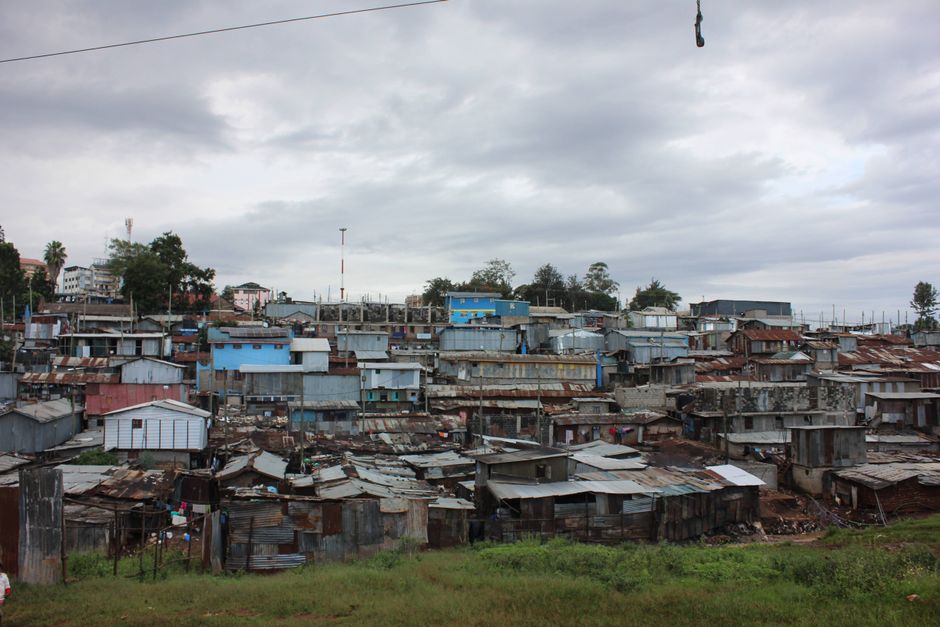
The Nairobi property market has a problem that no government slogan can solve: the gap between "affordable" and what ordinary families can actually afford is widening faster than the Southern Bypass during rush hour.
The city's average property price hovers near KES 15 million, a figure that masks a deeper crisis in the lower-income segments. Entry-level homes in emerging corridors like Ruaka and Syokimau—once the refuge of first-time buyers—now command prices that stretch beyond the reach of salaried workers and small business owners. A modest two-bedroom unit in Syokimau, which traded for KES 4–5 million just three years ago, now costs KES 7–8 million. In Ruaka, similar properties have jumped 40 percent.
Three forces are squeezing affordability. First, land acquisition costs have spiralled. Developers competing for plots near Nairobi's growth zones—particularly along the Eastern Bypass and towards Thika Road—face asking prices that leave no margin for truly budget housing. Second, infrastructure bottlenecks delay project completion. Roads, water, and electricity connections remain patchy, forcing developers to absorb costs or pass them to buyers. Third, financing remains fragile. Banks demand 40–50 percent down payments for properties under KES 10 million, locking out millions of potential homeowners.
The government's social housing initiatives, including recent projects near Mavoko and Juja, have struggled to meet targets. Delays in land identification, title clearance, and tender processes have frustrated buyers who expected units by now. Meanwhile, private developers eyeing the affordable segment are caught between investor expectations and market reality—building at scale requires volume, which requires speed, which requires cutting corners that regulators increasingly forbid.
What should buyers know? First, avoid overstretching for locations near premium zones like Lavington or Westlands; the premium carries disproportionate price tags. Second, corridor properties in Kilimani or Kileleshwa, while competitive, offer better long-term value than speculative plays in distant suburbs. Third, scrutinise developer track records carefully. Incomplete projects in Kahawa Wendani and Athi River have become cautionary tales.
For genuine affordability, buyers should explore co-operative societies and mortgage-backed schemes, though these require patience and due diligence. Government bonds and savings schemes tied to housing projects deserve attention too, though timelines remain uncertain.
The reality is blunt: the affordable housing crisis won't resolve through slogans. Until land costs stabilise, infrastructure improves, and financing becomes genuinely accessible, Nairobi's middle and lower-middle classes will continue chasing properties that recede faster than their ability to pay.
This article was compiled by AI from the sources linked above and screened before publishing. See our editorial standards.
How does this story make you feel?
Spread the word
About this article
Published by The Daily Nairobi
Daily brief
Free, in your inbox before 7am. Weekdays.
More in Property