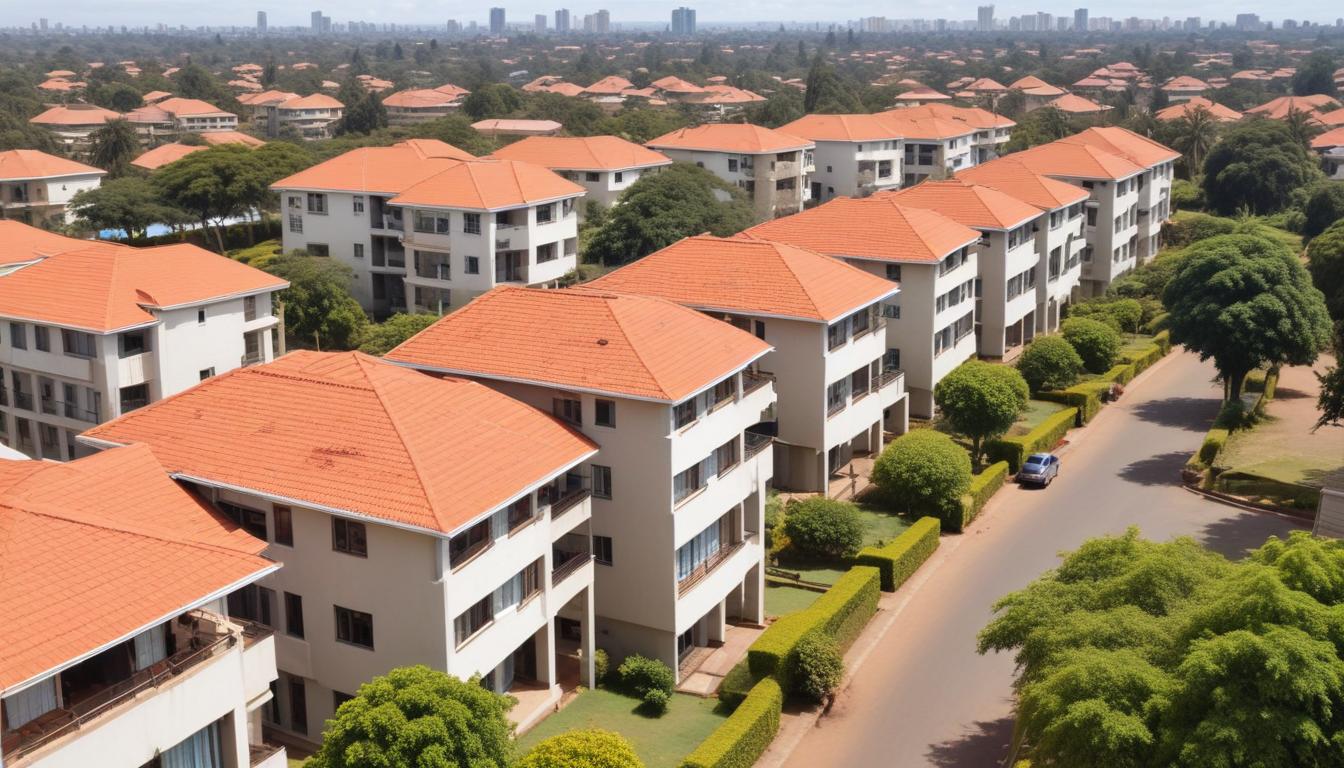
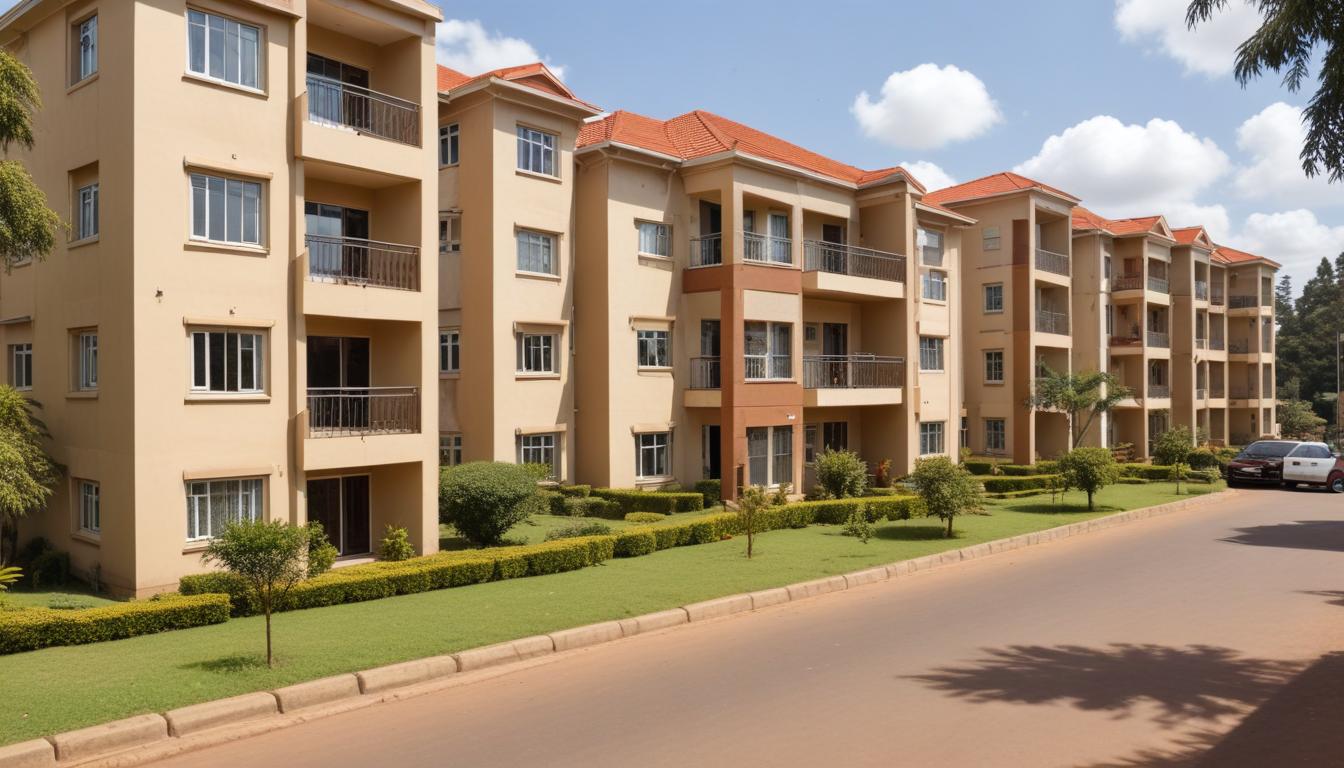
The rental market's tightening grip is reshaping first-time homebuyer calculations across Nairobi. In established neighbourhoods like Kileleshwa and Kilimani, where average monthly rents have climbed 12–15% year-on-year, young professionals are spending upwards of KES 80,000–120,000 monthly on modest two-bedroom units. That leaves little room for deposit accumulation toward the KES 3–5 million down payment typically required for entry-level mortgages.
The tension cuts both ways. Landlords, squeezed by rising property rates and maintenance costs, are increasingly demanding guarantors, upfront deposits equivalent to three months' rent, and rigid lease terms. Tenants—particularly in growth corridors like Ruaka and Syokimau, where younger professionals concentrate—report shrinking negotiation power and shorter lease cycles, making it harder to establish the financial stability lenders demand.
"We're seeing first-time buyers trapped in a cycle," explains the housing logic: rent payments that could build equity instead vanish monthly, while landlords extract maximum value from scarce rental inventory near employment hubs along the Nairobi-Westlands corridor and around Upperhill's business district. A tenant paying KES 85,000 monthly for a one-bedroom in Lavington or KES 55,000 in Karen would need nearly six years of that rent to accumulate a typical deposit—without accounting for other living costs.
Government initiatives addressing affordable housing, alongside emerging financing schemes from microfinance institutions and employer-linked mortgage products, offer partial relief. The Central Bank's favourable lending environment has lowered mortgage rates marginally, yet affordability gaps persist. A property valued at Nairobi's average KES 15 million still demands significant borrowing capacity most renters lack after years of rental payments.
The rental-to-ownership bridge is collapsing precisely where demand clusters most. Areas like Eastleigh, Embakasi, and sections of South B—historically more accessible—now face similar pressure as middle-income migration accelerates. Meanwhile, premium zones like Westlands remain largely inaccessible to first-time buyers dependent on rental savings.
Property finance experts observe that deposit assistance grants and shared-equity schemes could unlock movement, yet uptake remains modest. Without intervention addressing the rental squeeze—or creative finance structures linking rental payments to homeownership—Nairobi risks widening its ownership gap. For thousands of renters across the city, the dream of a title deed grows more distant each month.
This article was compiled by AI from the sources linked above and screened before publishing. See our editorial standards.