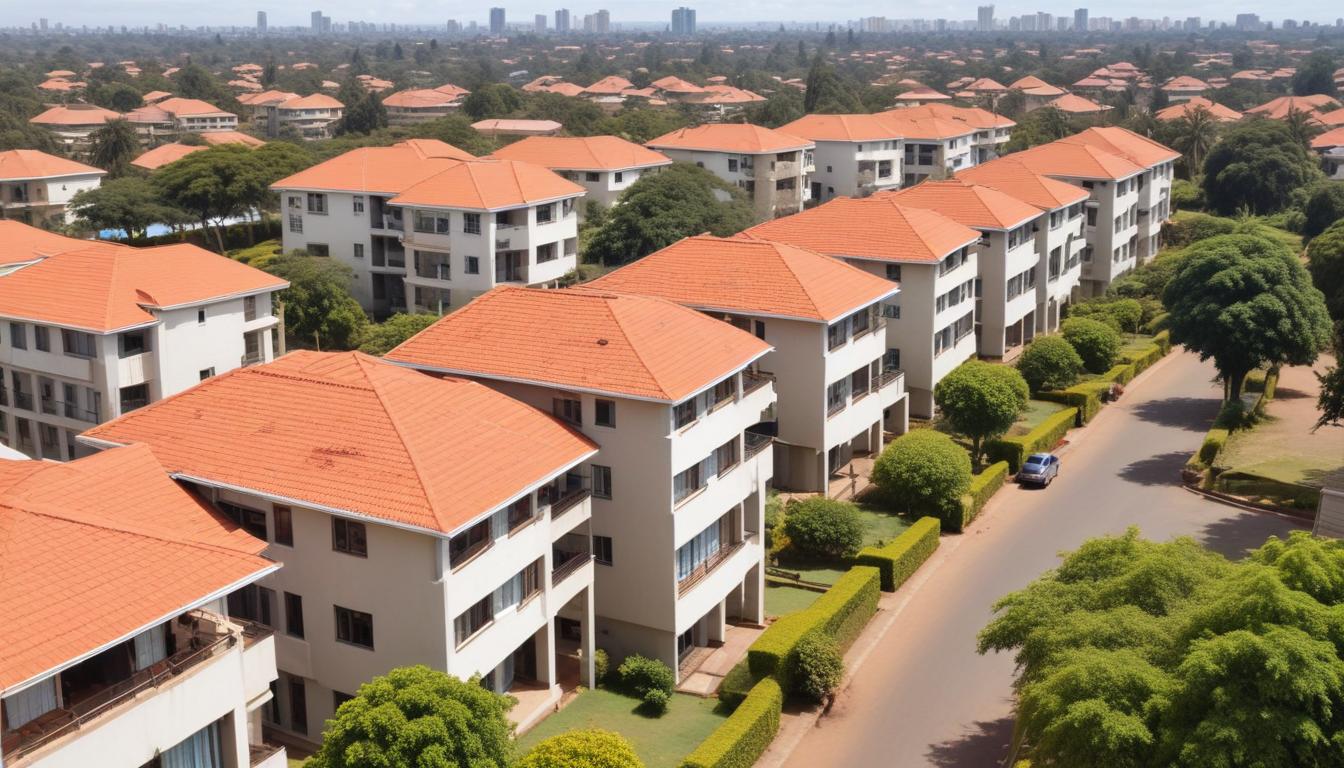
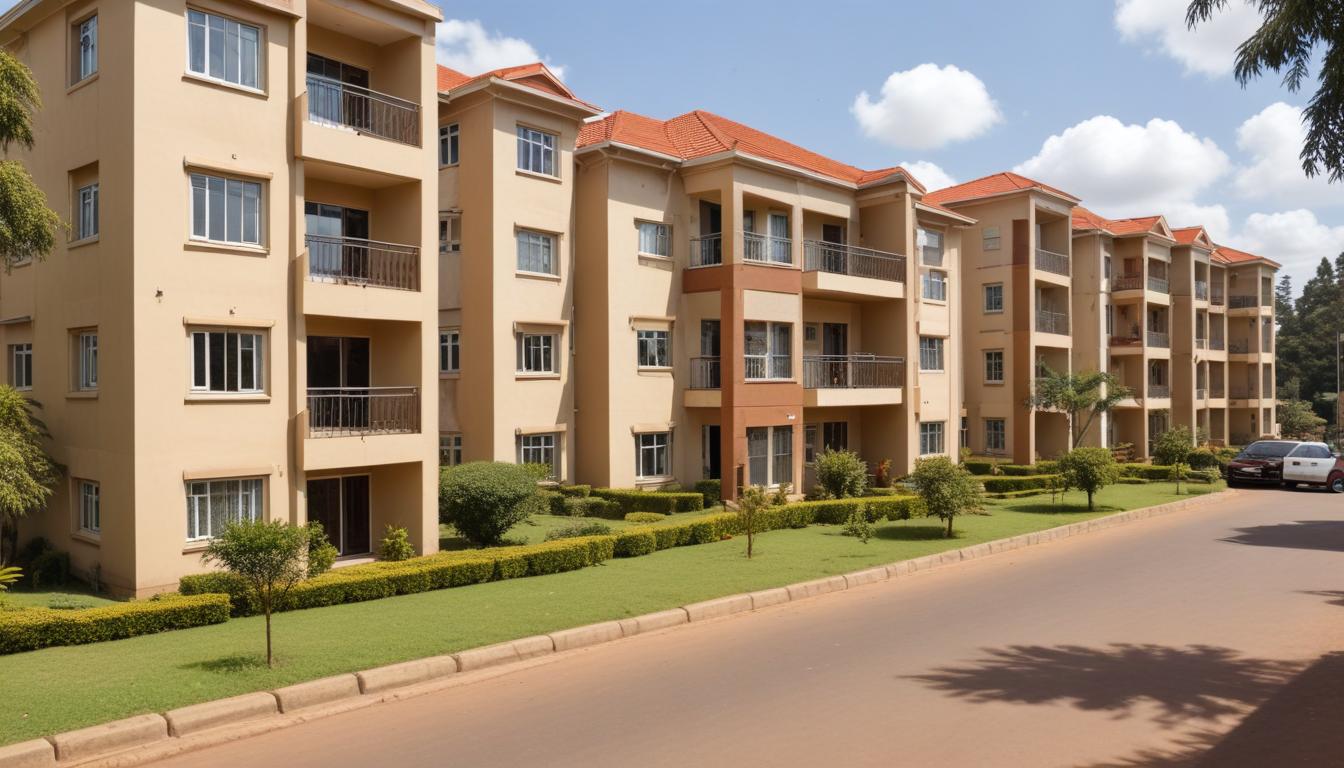
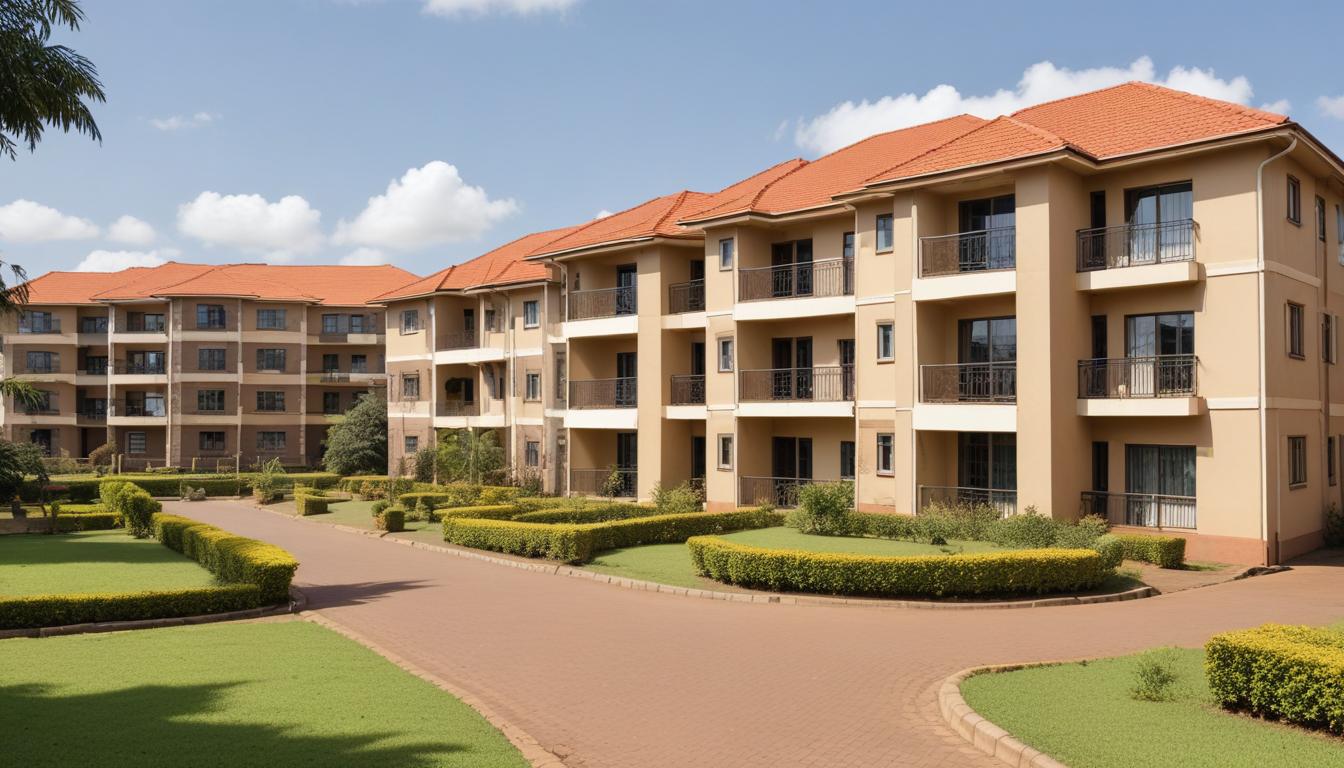
Nairobi's luxury property market is experiencing a decisive inflection point. As average residential prices across the capital hover around KES 15 million, the emergence of carefully curated new developments in Westlands, Lavington, and Kileleshwa is fundamentally altering how ultra-high-net-worth individuals and discerning investors perceive value, lifestyle, and long-term asset appreciation.
The transformation is most visible along Westlands' tree-lined avenues and around the Upper Hill corridor, where mixed-use complexes combining office, retail, and residential components are creating self-contained ecosystems. These aren't merely residential towers—they're integrated communities designed to address a critical gap in Nairobi's luxury market. Traditionally, premium properties have been standalone homes or older converted estates. Today's offerings blend architectural ambition with operational infrastructure: wellness centres, curated retail, private dining facilities, and integrated security systems.
In Kileleshwa, which has emerged as a sweet spot for young professionals and established families alike, new developments are commanding prices between KES 25–40 million for three-bedroom units. This represents a 30–40 percent premium over comparable properties built a decade ago, reflecting both improved finishes and the neighbourhood's evolution into a vibrant cultural hub. Proximity to established restaurants, galleries, and the growing creative sector has fundamentally altered its market positioning.
What's particularly significant is how these projects are addressing infrastructure constraints that have historically limited Nairobi's luxury sector. Integrated waste management, backup power systems, water security, and car-charging infrastructure—once considered luxury add-ons—are now baseline expectations. This standardisation is attracting institutional investors and regional buyers who previously looked to Dar es Salaam, Kampala, or offshore markets.
The ripple effects extend beyond the properties themselves. New developments in Lavington and around Forest Road are catalysing neighbourhood-level improvements: improved lighting, traffic management, and community amenities. Local businesses report increased foot traffic, while property values in adjacent areas typically appreciate 15–20 percent within two years of major project launches.
However, industry observers note challenges. Rising construction costs, regulatory compliance timelines, and the need for skilled labour have extended project delivery schedules. Several prominent developments initially slated for 2024 completion have shifted timelines into 2026–2027. For investors, this underscores the importance of working with established developers with proven execution records and financial transparency.
As Nairobi consolidates its position as East Africa's premier investment hub, these developments signal maturation of the luxury market. The conversation has shifted from scarcity to selectivity—from where can I find a premium property to which development aligns with my long-term vision. That distinction matters enormously.
This article was compiled by AI from the sources linked above and screened before publishing. See our editorial standards.