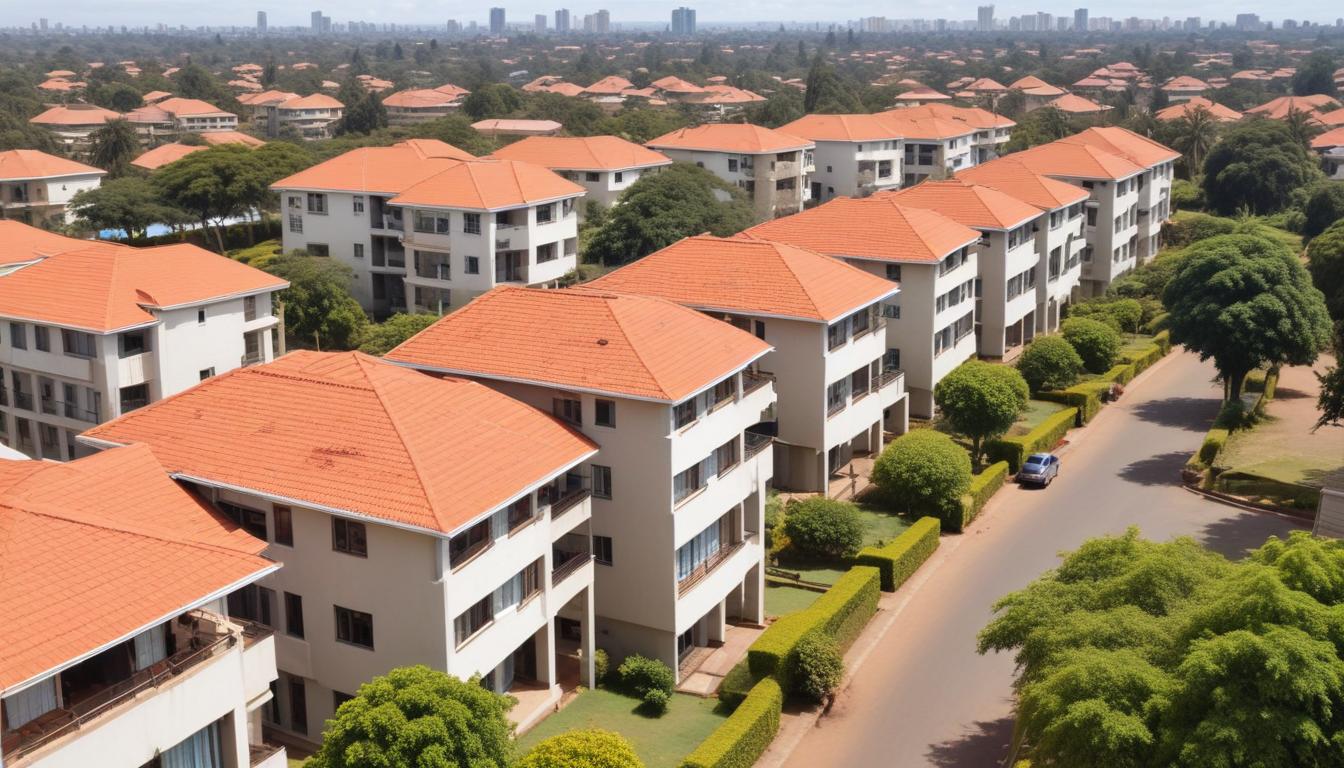
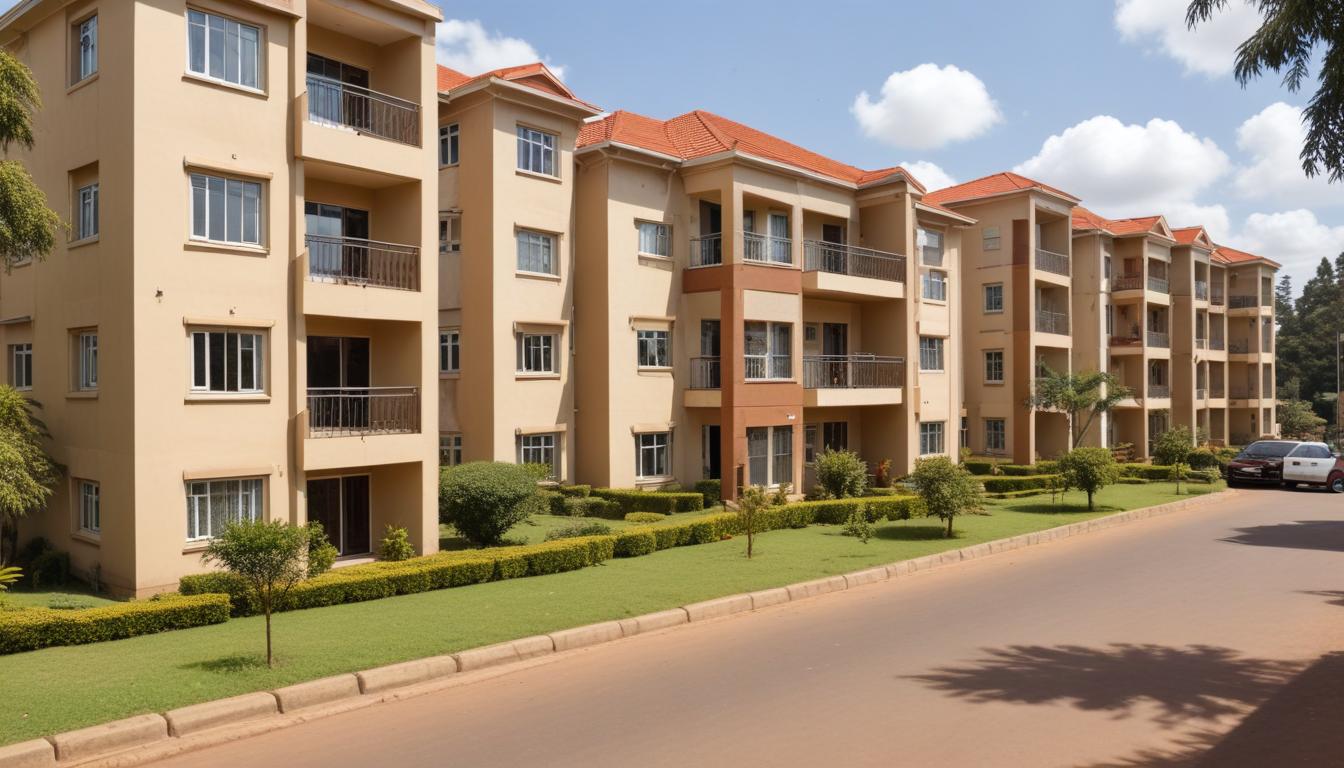
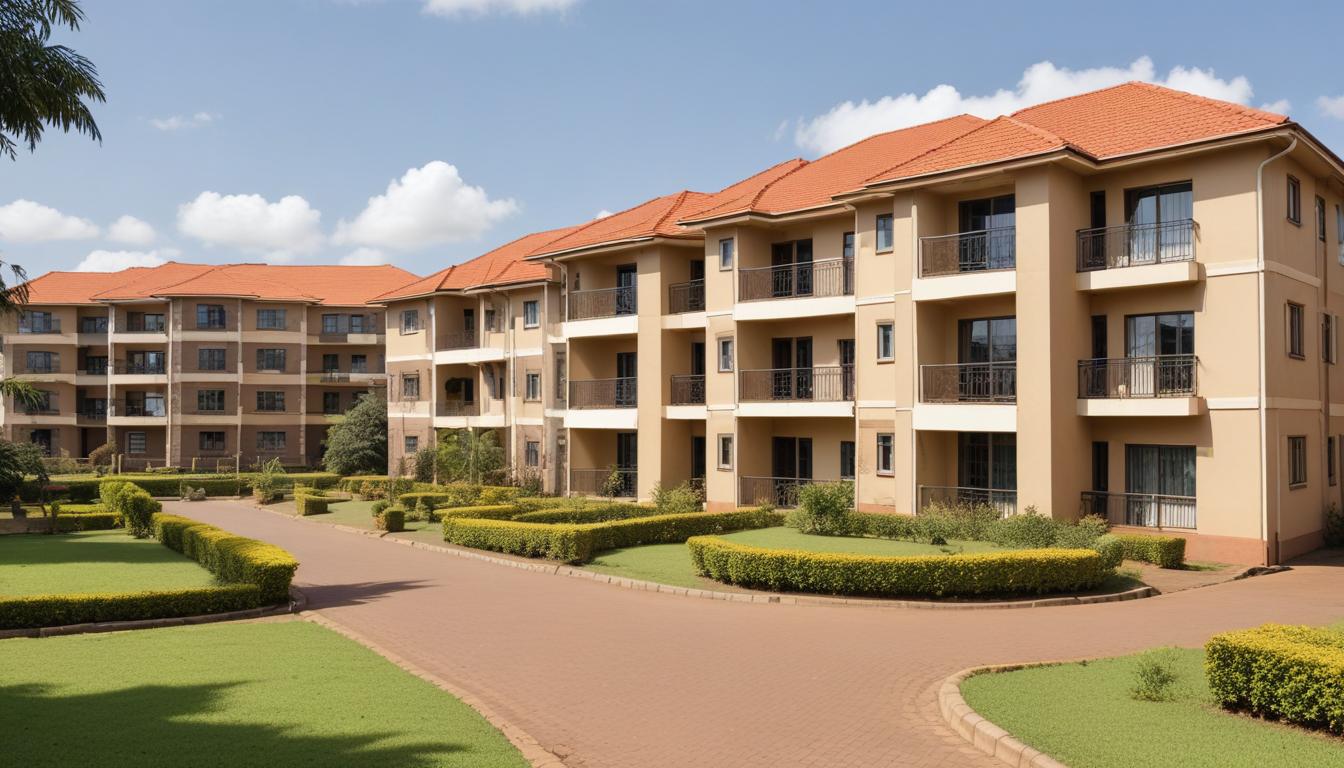
Nairobi's rental market has shifted decisively. Vacancy rates in premium neighbourhoods have compressed to single digits, reversing years of oversupply that plagued developers. For tenants hunting for space and investors timing entries, the question is no longer whether prices will rise, but how fast—and who gets priced out.
Data from property management firms tracking Westlands, Lavington, and Kilimani reveals a tightening grip. Units that lingered on platforms like Airbnb and property portals for 60 days now lease within weeks. The average asking rent in Westlands has climbed to KES 180,000–220,000 monthly for a two-bedroom apartment, up 12–15% since early 2025. Kilimani, once a value alternative, now commands KES 140,000–160,000 for comparable space—margins once considered negotiable are now listed prices.
Three forces are driving this squeeze. First, Kenya's economic growth has stabilised; multinational offices along Chiromo Lane and Valley Road are restocking staff after pandemic remote-work experiments. Second, the middle-income migration from outer zones to inner-city convenience has accelerated, particularly among young professionals seeking proximity to Nairobi's CBD and business hubs. Third, developers have been cautious about new residential supply, wary of 2023's glut. The result: genuine scarcity in move-in-ready units.
The growth corridors—Ruaka and Syokimau—tell a different story. Vacancy persists at 18–22%, and rents remain anchored around KES 80,000–110,000 for two-bedroom units. However, completion delays and infrastructure bottlenecks on the Nairobi Bypass have tempered demand from commuters.
For prospective tenants, the takeaway is clear: act decisively and be ready to negotiate before the lease, not after signing. Landlords in Kileleshwa and Kilimani are increasingly selective, favoring long-term tenants with verifiable income and references. Bank statements and employer letters now carry weight. Rental guarantees and upfront deposits of three months—once contentious—are becoming standard.
For investors, entry points remain available but are narrowing. Property near the Nairobi University area and along Limuru Road still offers 8–10% gross yields, but those windows are closing. Buying to let in saturated zones requires conviction; buying in emerging corridors requires patience and tolerance for construction timelines.
The Central Business District's revival and remote-work normalisation will determine the next cycle. If office-anchored demand sustains, prices hold. If it wanes, supply will finally catch up. Until then, Nairobi's rental market remains a seller's—and landlord's—game.
This article was compiled by AI from the sources linked above and screened before publishing. See our editorial standards.