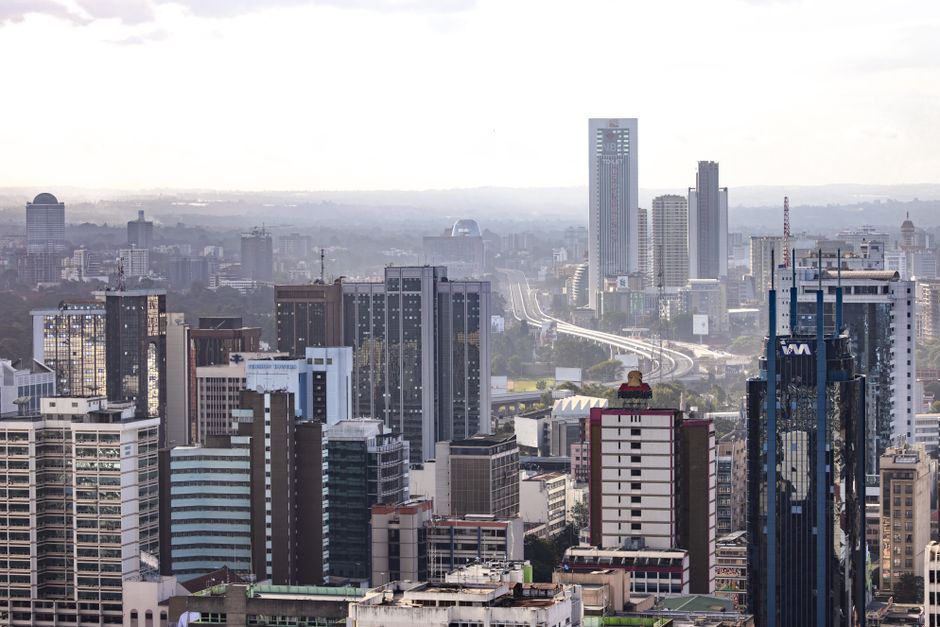
The rental market in Nairobi is sending conflicting signals to both tenants seeking stability and landlords protecting their investments—dynamics that are now directly influencing first-time buyer finance strategies across the city.
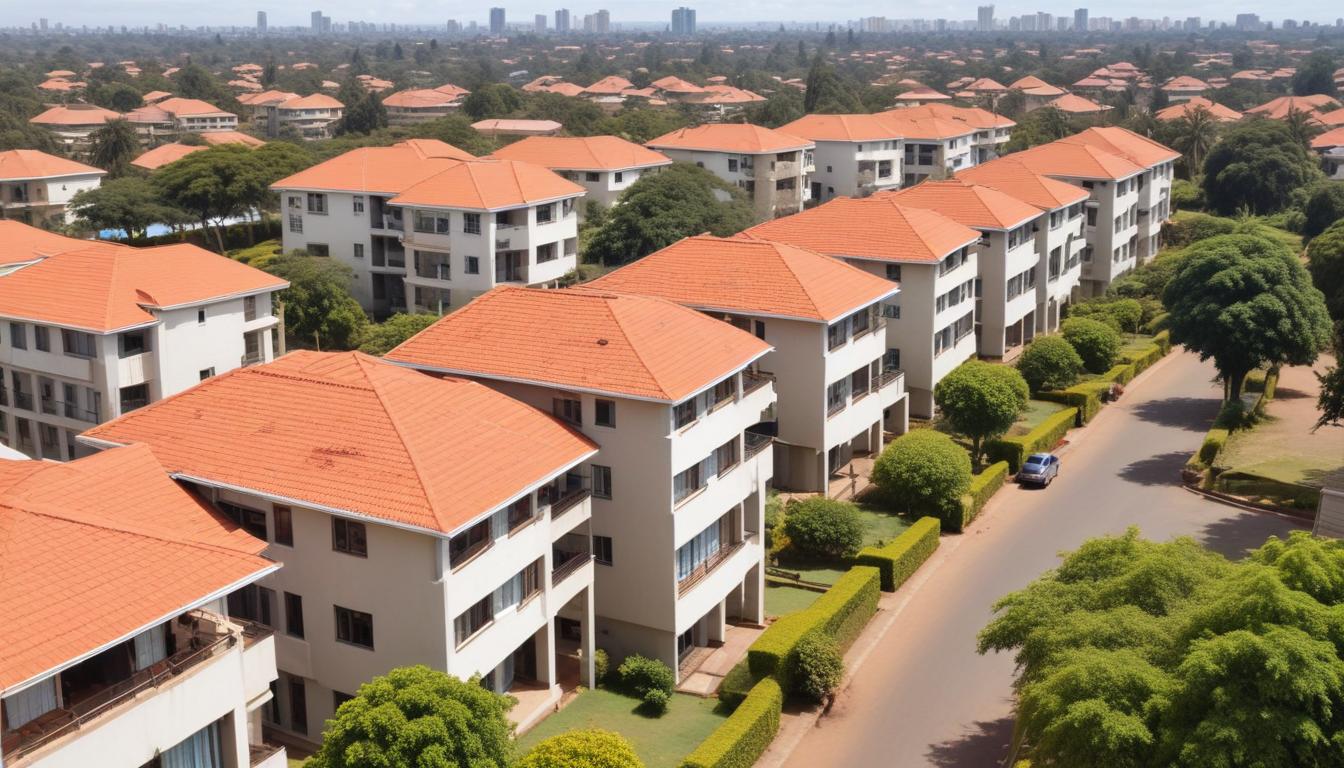
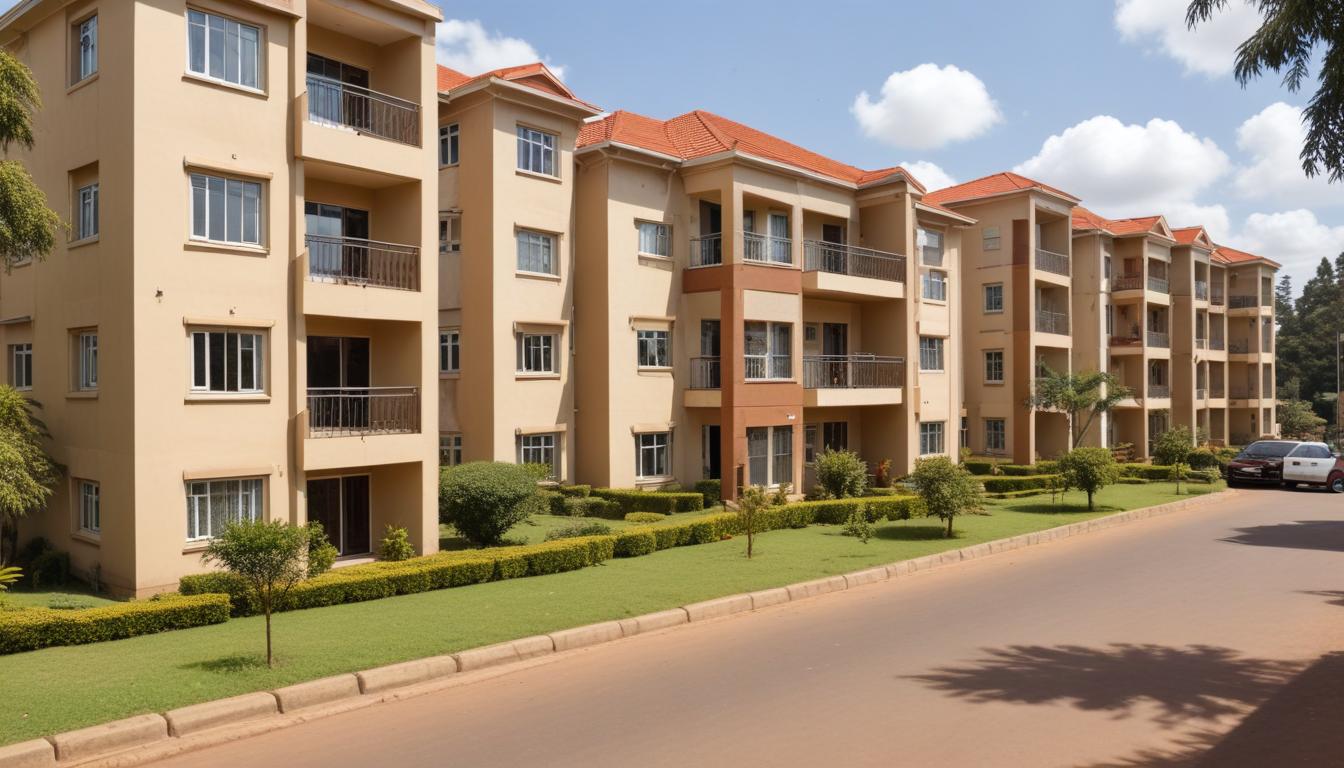
In neighbourhoods like Kilimani and Kileleshwa, where average rental prices have climbed to KES 80,000–120,000 for a two-bedroom apartment, young professionals find themselves trapped between monthly rent obligations and mortgage qualification hurdles. Banks typically require proof of stable income and a debt-to-income ratio below 40%, making it difficult for renters already stretched thin to accumulate down payments. The situation intensifies when landlords—responding to rising property taxes and maintenance costs—increase rents at renewal, pushing tenants further from homeownership.
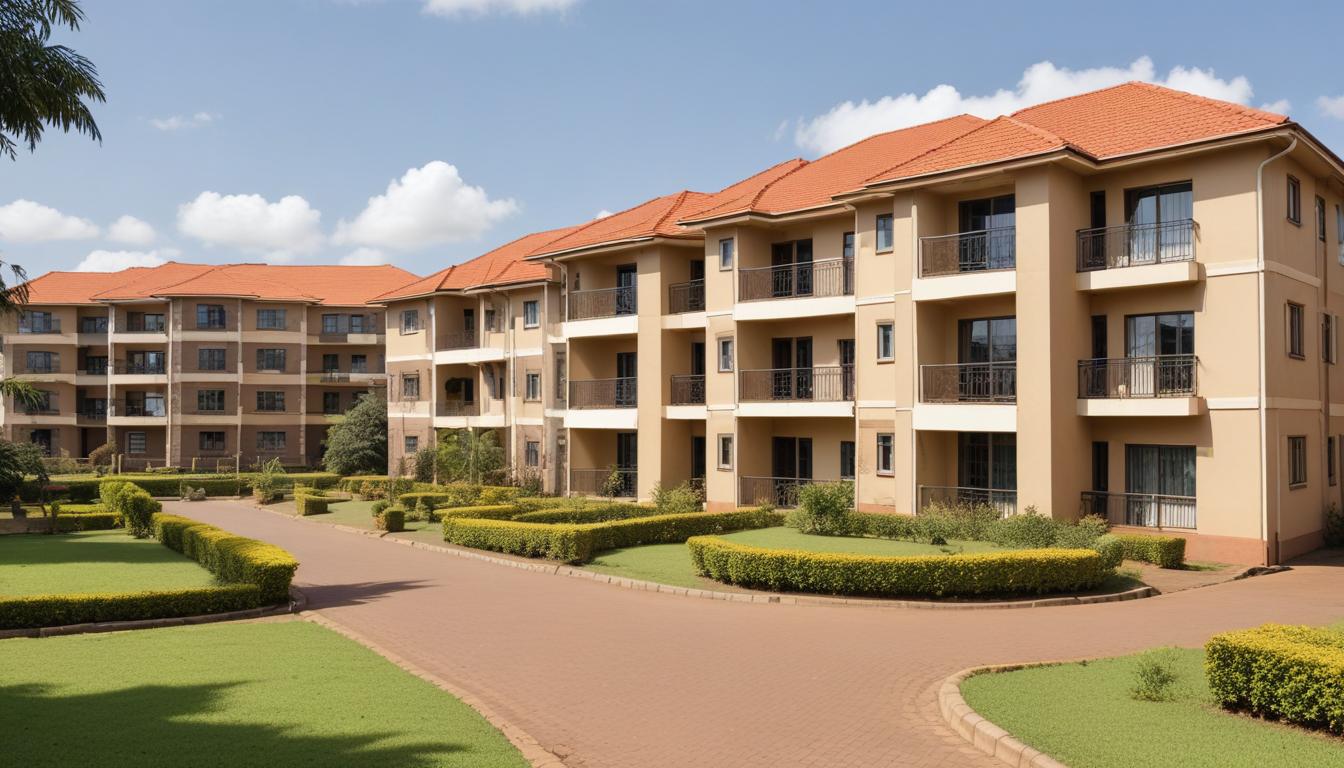
Meanwhile, landlords operating across Ruaka and Syokimau growth corridors face their own pressures. Vacancy rates in these emerging areas remain volatile, forcing property owners to either absorb losses or lower rents competitively, squeezing profit margins that once subsidised property mortgages. This creates a counterintuitive scenario: as rental yields decline, some landlords sell properties, further inflating the market and pricing out first-time buyers.
The Kenya Mortgage Refinancing Company and various commercial banks have responded with adjusted lending products. Institutions like Equity Bank and KCB now offer schemes recognising rental payment history as alternative credit evidence—a nod to Nairobi's largely informal income economy. Yet accessibility remains uneven across postcodes. Applicants in established areas like Westlands find approval easier than those in Kilimani or Kasarani, where property valuations fluctuate.
Government grants remain underutilised. The National Housing Development Fund, managed through the State Department for Housing, offers subsidies for first-time buyers earning below KES 150,000 monthly, yet awareness remains low outside real estate circles and CBD office corridors.
The rental-to-ownership bridge is widening. Tenants paying KES 70,000 monthly in South B or Langata accumulate roughly KES 840,000 annually—substantial, yet insufficient for down payments on properties averaging KES 15 million citywide, particularly when landlords' rent hikes consume would-be savings.
For prospective buyers, the lesson is pragmatic: engage mortgage brokers early, document rental payment histories meticulously, and explore grant eligibility before signing rental agreements. For landlords, maintaining competitive rates and tenant relationships ultimately protects long-term asset value in an increasingly challenging market.
This article was compiled by AI from the sources linked above and screened before publishing. See our editorial standards.