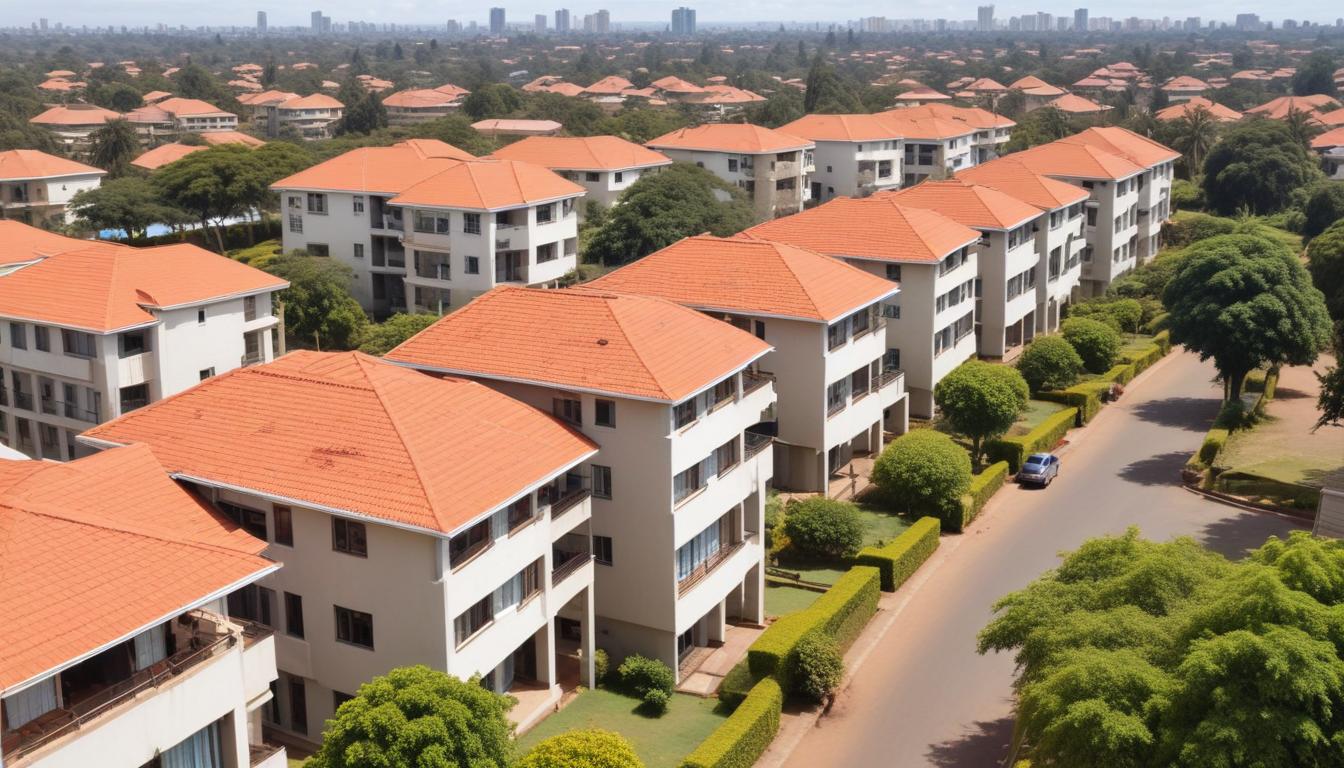
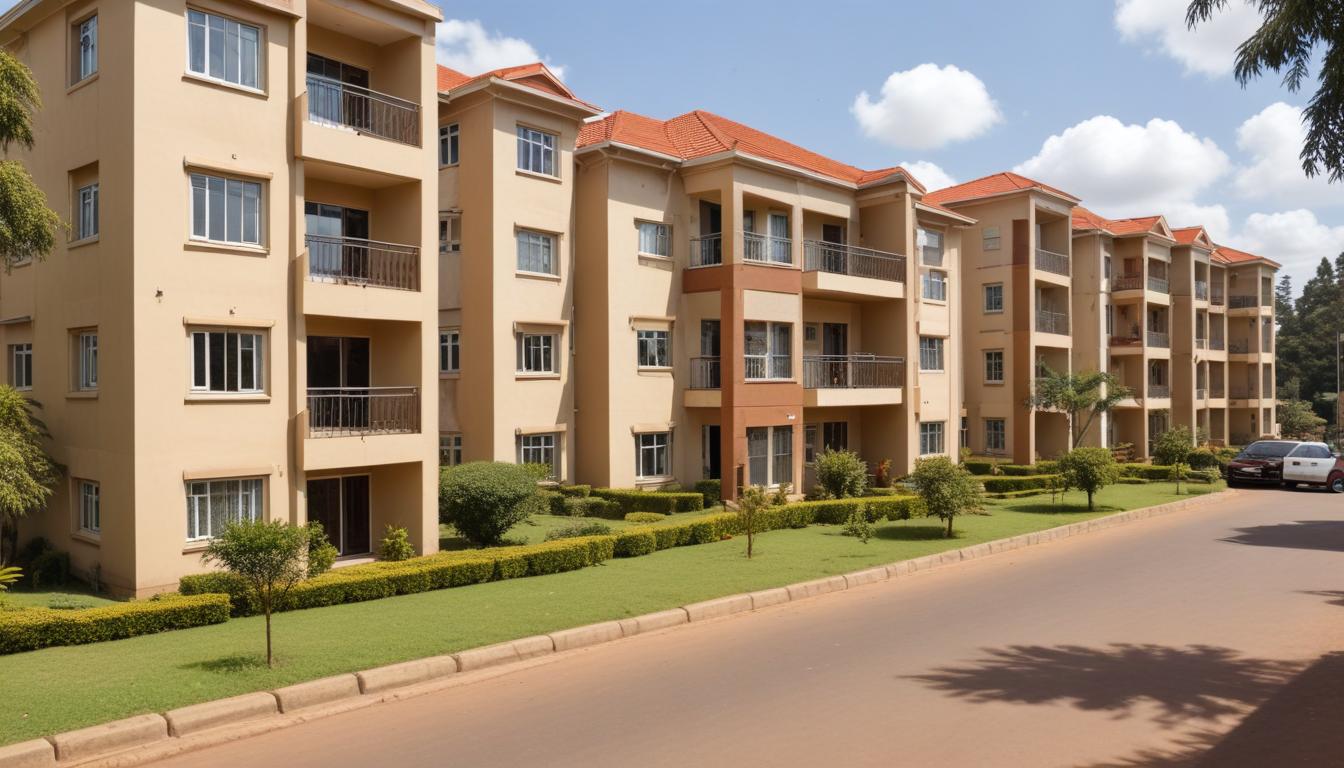
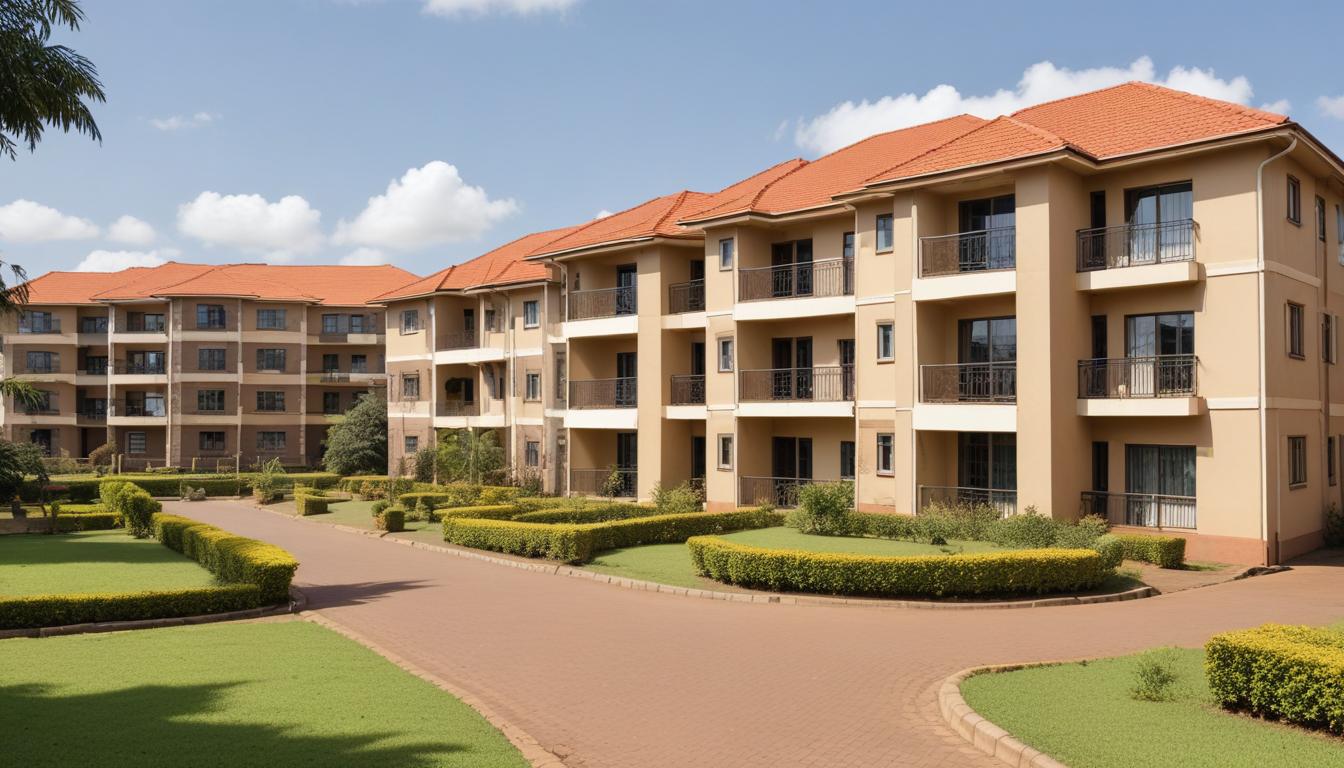
The average Nairobi property now trades at KES 15 million, a figure that masks a far sharper reality for ordinary buyers: affordable housing has become a moving target. While luxury developments cluster in Westlands and Lavington, the real pressure is building in the neighbourhoods where most Nairobians actually want to live—Kileleshwa, Kilimani, and the growth corridors of Ruaka and Syokimau.
Three interconnected forces are driving this squeeze. First, land acquisition costs have become prohibitive. A plot in Ruaka, once the domain of middle-income homesteaders, now commands prices that rival established suburbs. This cascades directly into unit prices: developers absorb these land premiums by raising apartment costs or reducing unit sizes. Second, infrastructure delays—particularly water and road connectivity along the Syokimau corridor—have created artificial scarcity. Investors and developers are holding land speculatively, betting on government completion of the Southern Bypass and water projects. That waiting game costs money, which gets passed to buyers.
The third, and most consequential factor, is policy uncertainty. The Government's Big Four Agenda promised 500,000 affordable units by 2022. That target was missed significantly. Without a binding implementation framework or clear subsidy mechanisms, private developers have retreated from the affordable segment, where margins are tighter and construction timelines longer. The Kenya Urban Development Company (KUDC) and state housing agencies remain under-resourced, leaving the market to private players with little incentive to prioritize affordability.
For buyers, the implications are stark. First-time homebuyers entering the market now should expect KES 8–12 million for a modest two-bedroom unit in accessible areas like Kilimani or Kileleshwa—substantially higher than five years ago in real terms. Second, proximity to transport hubs has become a non-negotiable premium. Properties near the Green Line corridor or major routes toward Syokimau command 15–20% premiums. Third, location arbitrage is narrowing. The growth corridors that offered genuine value—Ruaka, Athi River—are being rapidly repriced as infrastructure materializes.
What buyers need to know: the window for entry-level purchases in established middle-income zones is compressing. Developers are increasingly segmenting the market into ultra-premium (Westlands, Lavington) and speculative (outer growth zones). The middle—quality housing at reasonable prices—is shrinking. Prospective buyers should prioritize completing purchases before policy reforms (which may include levies, density restrictions, or transport fees) take effect. Those willing to venture further out to Syokimau or Ruaka should verify infrastructure timelines independently rather than relying on developer projections.
The affordable housing crisis is not shortage—it is mismatch between what buyers can afford and what developers will build.
This article was compiled by AI from the sources linked above and screened before publishing. See our editorial standards.