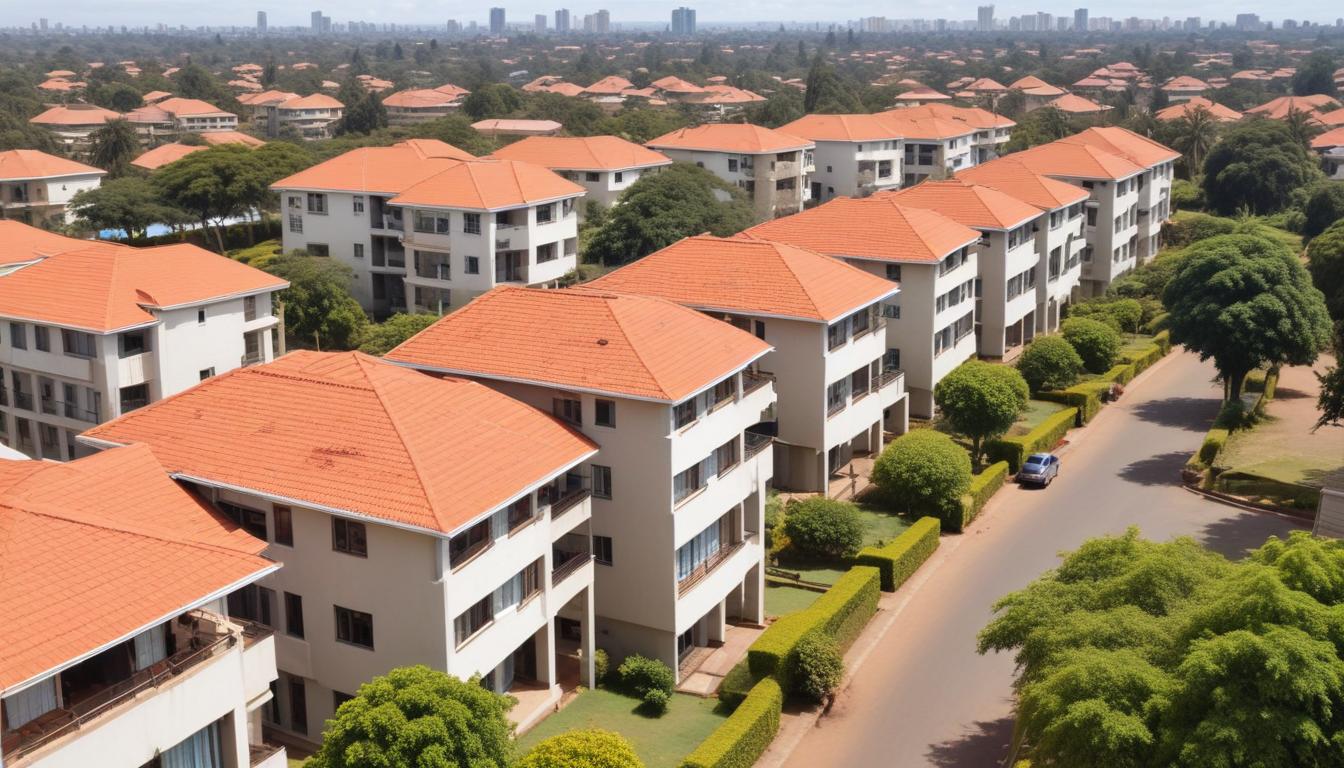
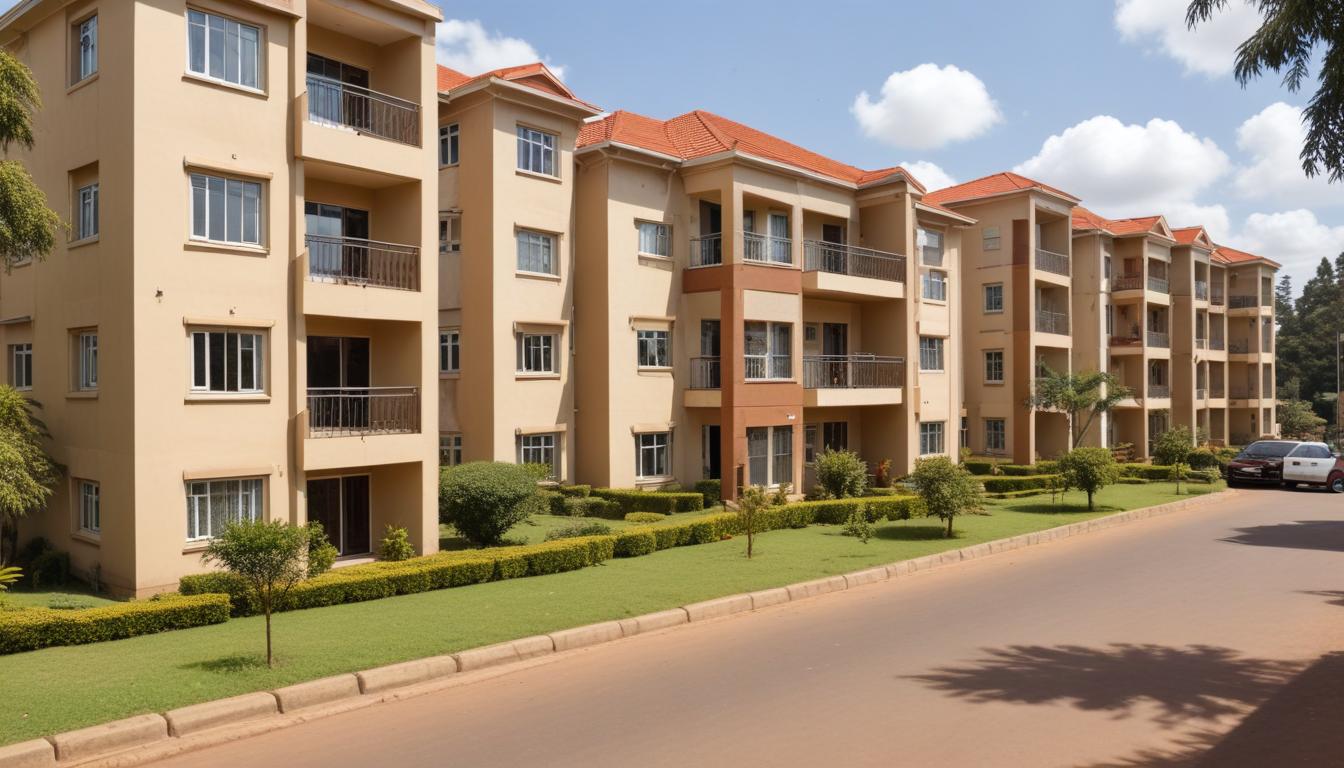
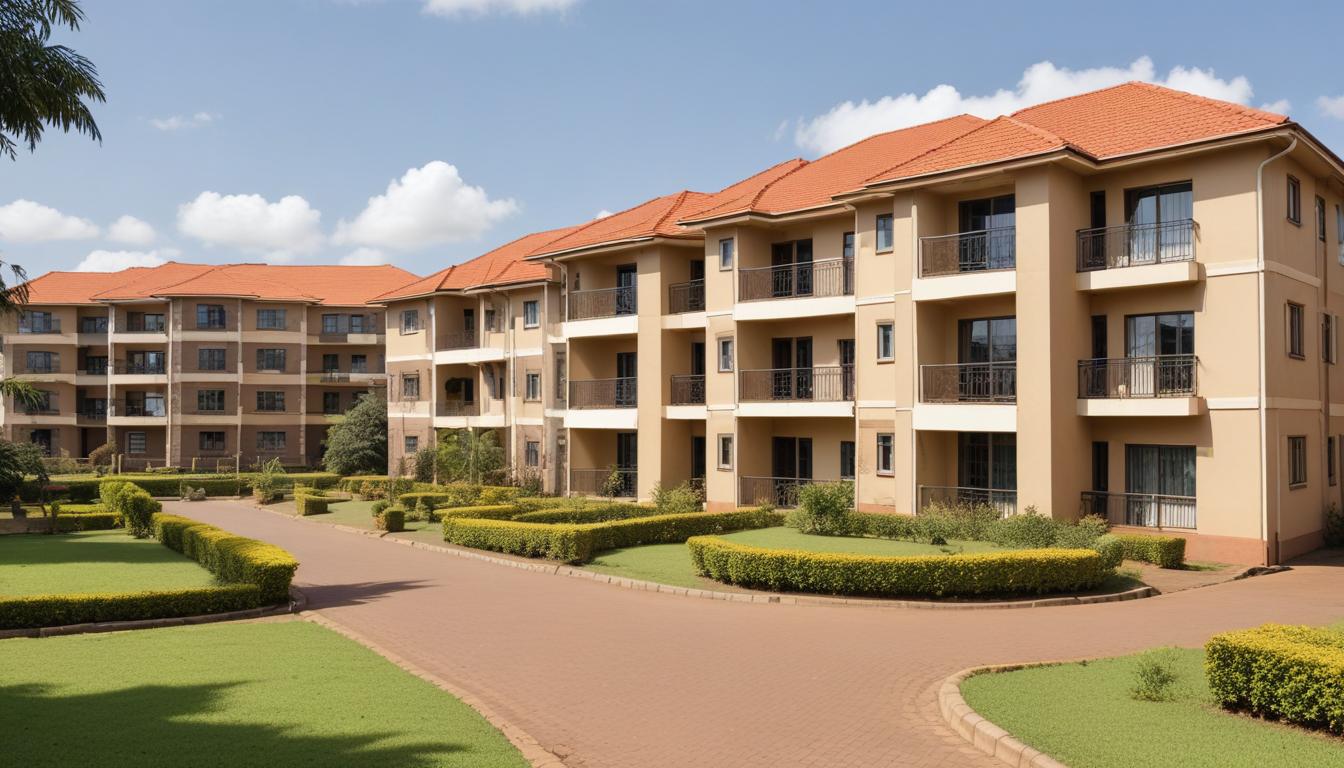
For decades, Nairobi's luxury property conversation has centred on a familiar cast: Westlands' gleaming office towers, Lavington's sprawling estates, and the nouveau riche sprawl of Karen. But an unmistakable shift is underway in Kilimani, where average property values have surged 23% over the past 18 months—a growth rate that outpaces the broader Nairobi market and rivals established premium neighbourhoods.
The numbers tell a compelling story. While Westlands and Lavington continue to command upwards of KES 25-30 million for quality residential units, Kilimani now trades in the KES 18-24 million range for comparable properties. For a city where the average residential plot hovers around KES 15 million, this represents a meaningful premium—but one that buyers increasingly see as justified by location fundamentals.
"What's driving Kilimani's appeal is genuine urban convenience," explains local property analysts tracking the micro-market. The suburb sits in a sweet spot: minutes from Upper Hill's commercial ecosystem, walking distance to Nairobi Hospital and the Village Market, with easy access to Westlands via Limuru Road. The opening of the Nairobi Expressway has further compressed commute times, making Kilimani an attractive base for executives tired of Karura traffic.
On the ground, evidence of this shift is visible. Kilimani Road's residential stock is being snapped up by owner-occupiers and portfolio investors alike. Properties along Gicheru Road and the quieter lanes near Hurlingham Park command premiums previously reserved for Lavington addresses. A modest but well-appointed three-bedroom apartment on a secure Kilimani estate now easily attracts KES 22 million in asking prices—a figure that would have seemed ambitious just three years ago.
The demographic driving this movement is instructive. Rather than the traditional set of established corporates, Kilimani is attracting younger high-net-worth individuals—tech founders, financial services professionals, and emerging entrepreneurs who value walkability, proximity to dining and retail, and a sense of neighbourhood character over status-symbol addresses. The area's proximity to establishments like Braserie and The Bomas, alongside smaller coffee shops and galleries, has added cultural texture that raw residential data misses.
Developers are responding accordingly. Several projects targeting the KES 20-28 million bracket have launched or are in advanced planning stages in Kilimani's core zones. Estate agents report that inquiry volumes from investor-buyers have doubled year-on-year.
For property investors watching Westlands plateau and Lavington prices harden, Kilimani represents a genuine inflection point—a moment when genuine fundamentals, not hype, are reshaping where Nairobi's money chooses to live.
This article was compiled by AI from the sources linked above and screened before publishing. See our editorial standards.