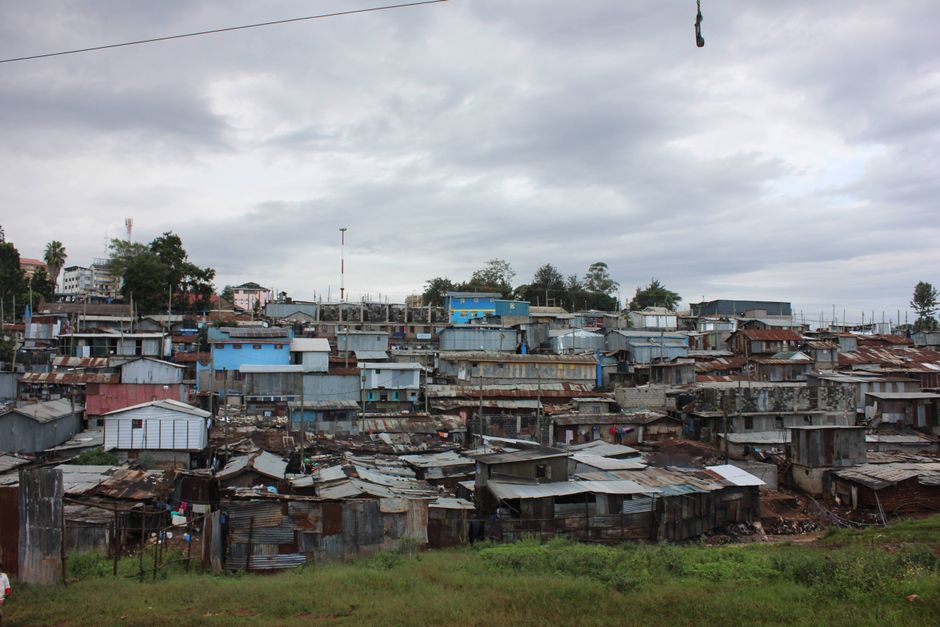
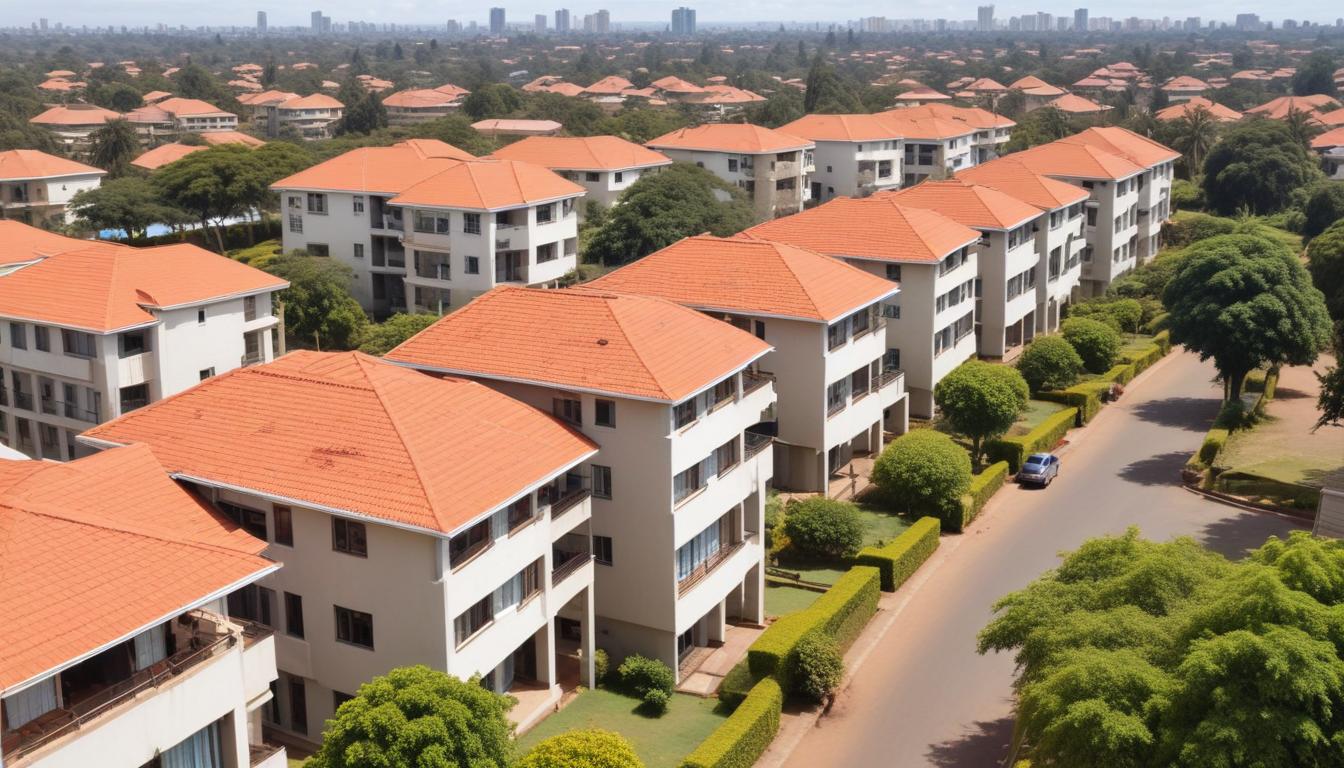
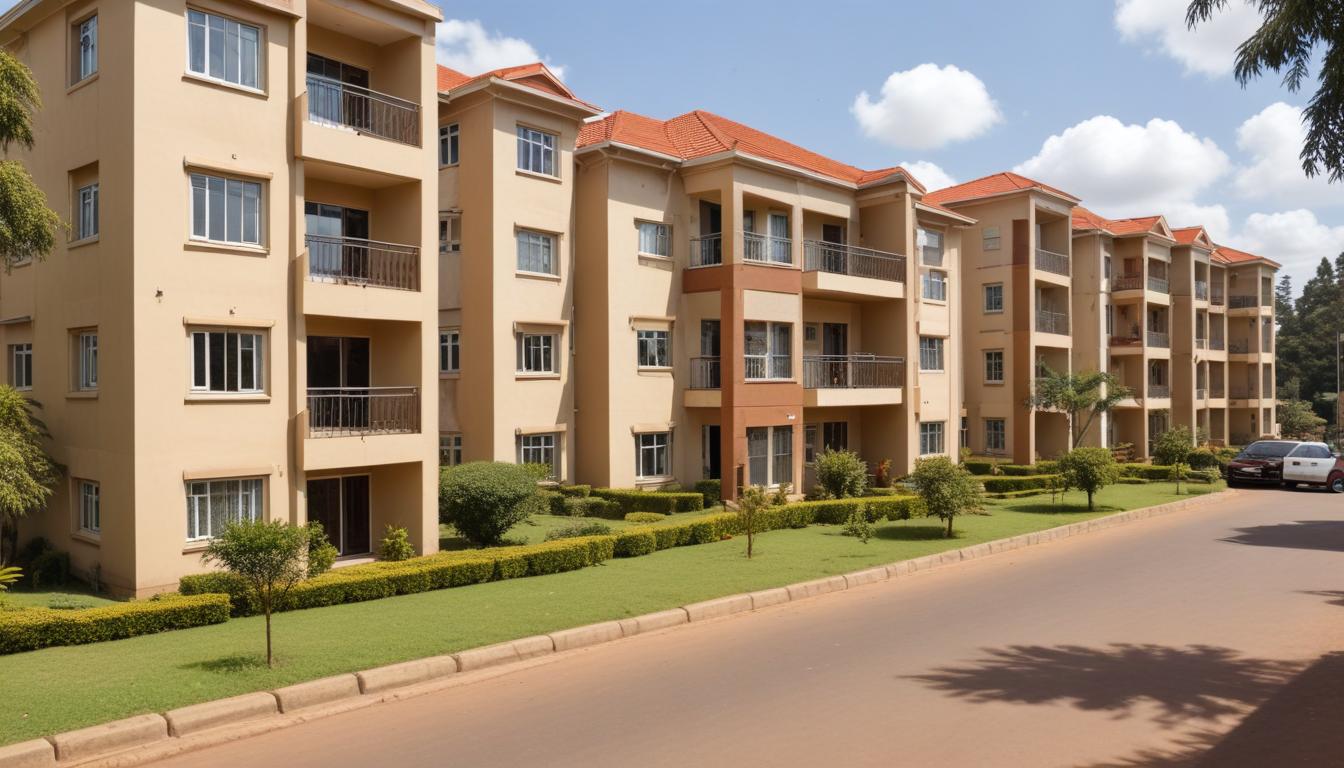
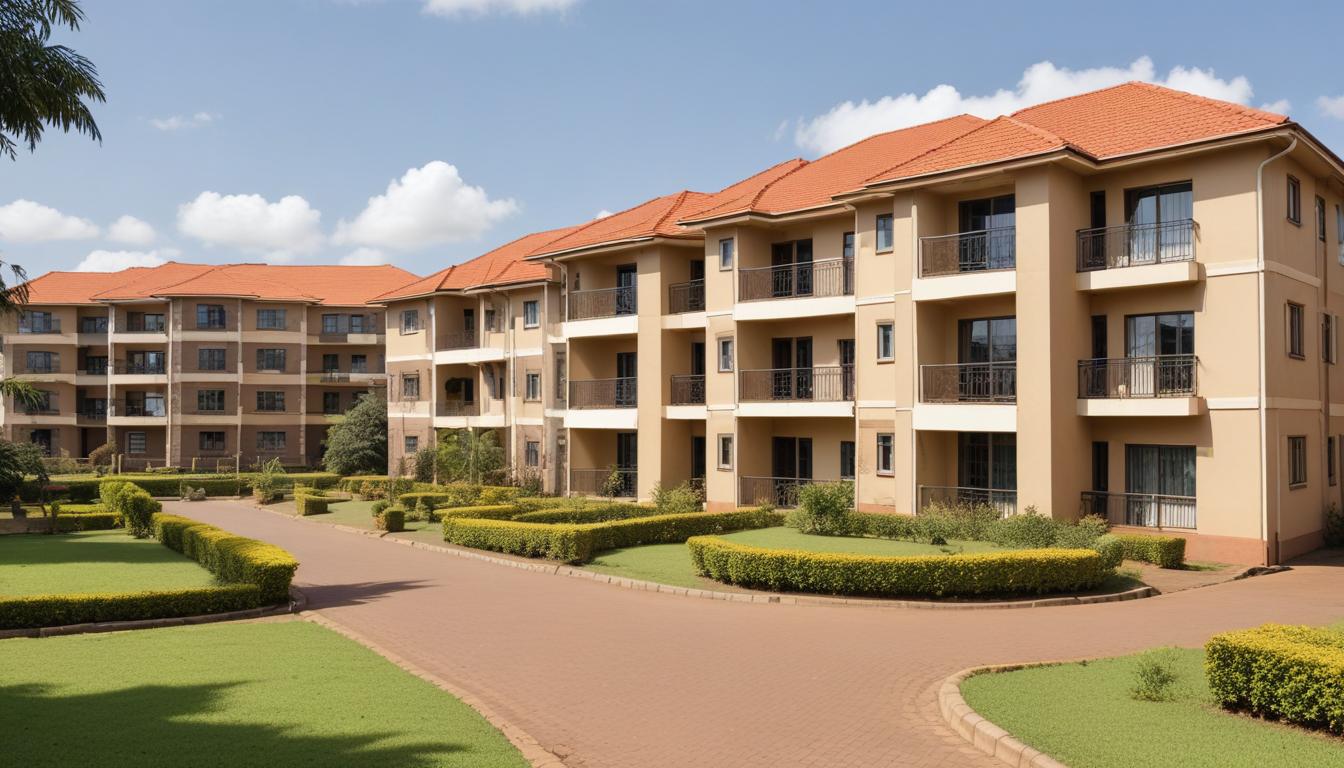
Nairobi's property landscape is undergoing a visible transformation. Across Ruaka, Syokimau, and the sprawling Outer Ring Road corridor, cranes dot the skyline as developers race to deliver mixed-use residential complexes, apartment blocks, and gated communities. This construction boom—driven by a sharp uptick in approvals from the County's planning department over the past 18 months—is fundamentally reshaping where Nairobians are investing and at what price.
The numbers tell a compelling story. While the city's average property price remains anchored around KES 15 million for a mid-range residential unit, developments in emerging zones like Ruaka and Syokimau are commanding 25 to 35 percent premiums compared to equivalent units five years ago. Premium neighbourhoods—Westlands, Lavington, and the increasingly sought-after Kileleshwa and Kilimani strips—continue to anchor the upper tier, but it's the satellite zones gaining velocity. Developers cite faster approvals and reduced land acquisition costs as enablers; buyers are drawn by modern amenities, developer financing options, and the promise of capital appreciation as infrastructure improves.
What's driving this acceleration? Infrastructure investment is the headline factor. The expansion of water mains to Syokimau, improved road access via the Southern Bypass, and the ongoing development of the Nairobi-Mombasa Standard Gauge Railway corridor have unlocked previously marginal land. Simultaneously, regulatory streamlining—including faster title verification and standardised planning requirements—has reduced approval timelines from 9-12 months to 4-6 months for many projects. This efficiency has attracted institutional investors and large-scale developers seeking scale.
But buyers must navigate real constraints. Infrastructure, while improving, still lags demand. Water rationing persists in some Syokimau clusters; transport to the CBD from Ruaka remains contentious despite new matatu routes. Property tax obligations have also tightened, with the County enforcing compliance more rigorously—a hidden cost many buyers overlook. Unit absorption rates, meanwhile, reveal caution: several large developments completed in 2025 are still releasing phases incrementally, suggesting softer end-user demand than headline prices suggest.
For investors, the lesson is clear: location specificity matters more than ever. A KES 18 million three-bedroom in Kilimani near Village Market offers proximity and established resale liquidity; the same unit in an emerging Ruaka cluster may appreciate faster but carries liquidity and infrastructure risk. Due diligence on developer track record, utility readiness, and transport connectivity is now non-negotiable. The construction pipeline is real. The question isn't whether prices will rise—it's whether your specific asset will benefit proportionally, and when.
This article was compiled by AI from the sources linked above and screened before publishing. See our editorial standards.