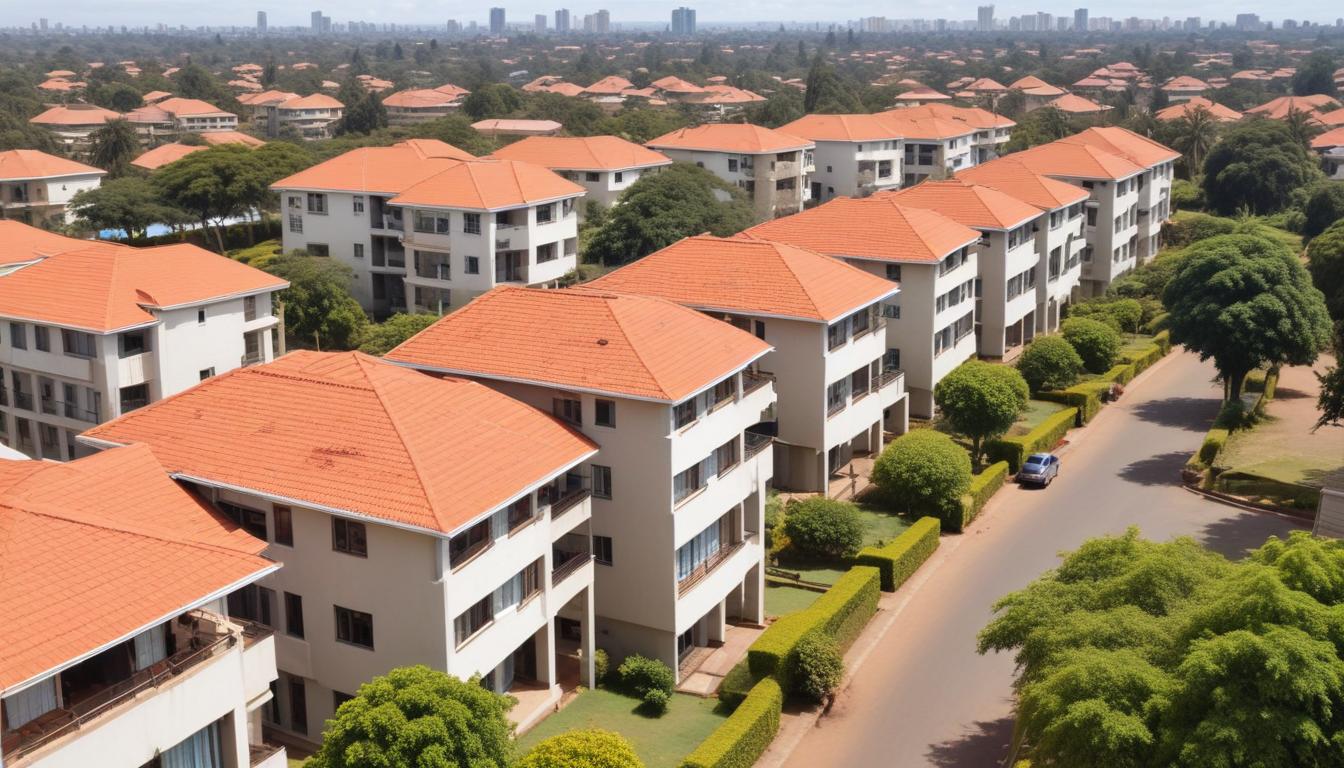
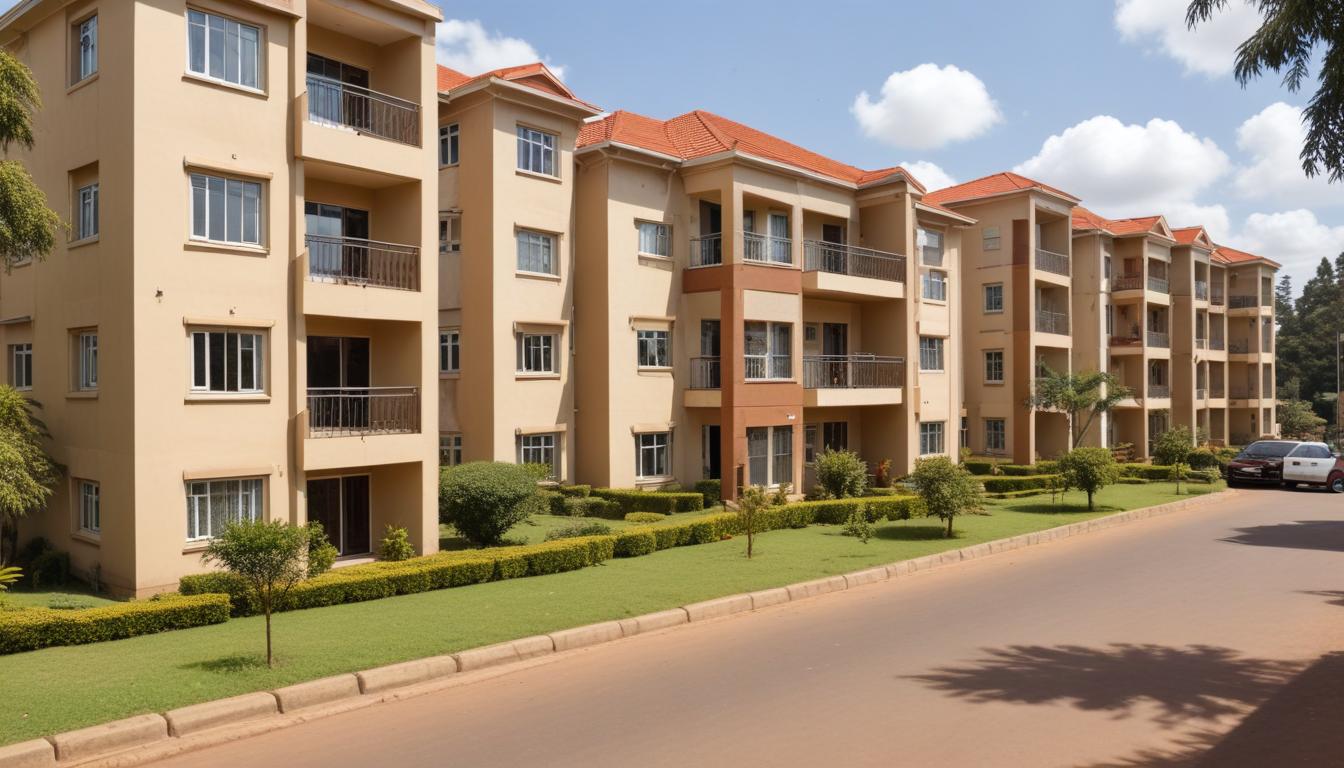
The tension simmering in Nairobi's rental market has reached a critical point. While average property prices hover around KES 15 million across the city, rental yields have stagnated, leaving landlords struggling to cover rising operational costs and tenants squeezed by climbing rents that outpace wage growth.
In traditionally desirable neighbourhoods like Westlands and Lavington, where apartment rents now command KES 80,000 to 150,000 monthly for two-bedroom units, property owners face a paradox. The capital appreciation of their assets masks deteriorating rental income ratios—often yielding just 4-5 percent annually when mortgage obligations and maintenance costs consume 60-70 percent of collected rent. For landlords managing multiple properties, this squeeze has sparked difficult decisions: defer maintenance, raise rents aggressively, or exit the market entirely.
The impact cascades downward to tenants. In emerging hubs like Kileleshwa and Kilimani, where younger professionals and families seek affordable alternatives to premium zones, landlords are tightening lease terms and demanding higher deposits—often three months' rent upfront—to offset income uncertainty. Property management firms operating along Argwings Kodhek Road and around the Junction shopping precinct report increased tenant turnover as renters search for better value, destabilising communities and straining both sides.
Growth corridor towns offer some reprieve. In Ruaka and Syokimau, newer developments are attracting tenants priced out of inner Nairobi, with rents ranging from KES 25,000 to 45,000 for two-bedroom units. Yet even here, infrastructure deficits and longer commute times to the CBD complicate the affordability equation. Many working professionals find themselves trapped: rents in accessible zones consume 40-50 percent of their income, far exceeding the recommended 30 percent threshold.
Real estate analysts point to structural mismatches. Property taxation reforms and compliance costs have pushed smaller landlords—often individuals managing one or two units—toward informal arrangements with tenants, creating vulnerability for both parties. Meanwhile, institutional investors domiciled in upmarket areas continue purchasing portfolios, consolidating ownership and standardising rents at market maximums.
The human cost remains largely invisible in aggregate data. Families are forced into longer commutes from Syokimau or Thika. Young couples delay homeownership indefinitely. Landlords, many relying on rental income for retirement, face eroding purchasing power. Until Nairobi's rental market realigns with broader economic reality, both tenants and property owners will continue navigating an increasingly unsustainable equilibrium.
This article was compiled by AI from the sources linked above and screened before publishing. See our editorial standards.