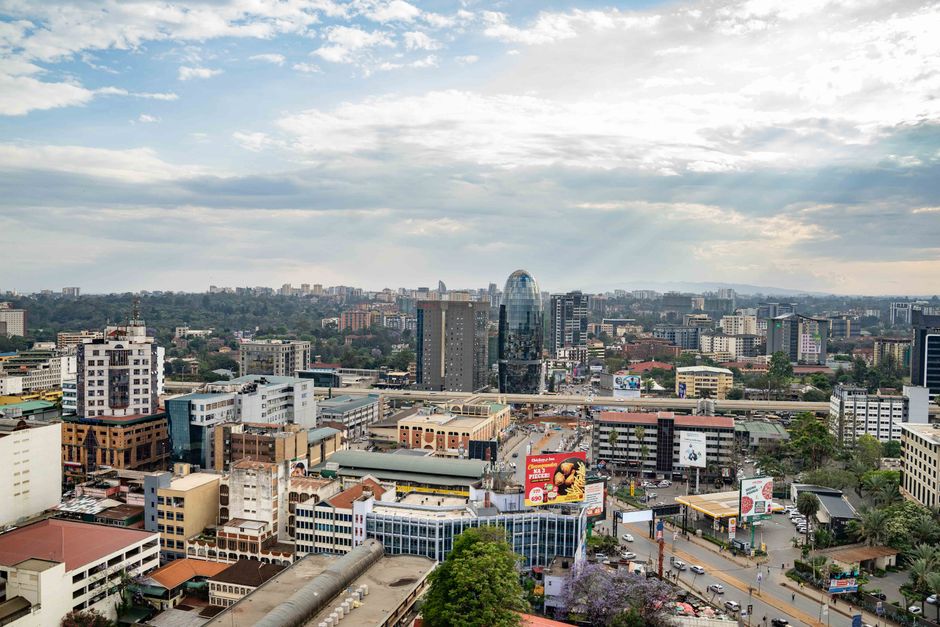
Five years ago, Kilimani was dismissed as a stepping stone—a neighbourhood where young professionals rented before graduating to Westlands or Lavington. Today, it has become Nairobi's most compelling luxury property story, with land values climbing 34% since 2023 and residential units commanding prices that have nearly caught up with its more storied neighbours.
The shift is not accidental. Located between the established prestige of Kileleshwa to the north and the emerging vibrancy of Kilimani's upper reaches near the Nairobi River, the suburb has benefited from strategic infrastructure investment. The completion of the Karen-Nairobi CBD expressway has slashed commute times to Westlands and the Central Business District, while planned water main upgrades and the expansion of fibre connectivity have positioned the area for sustained growth. Properties that sold for KES 12–14 million in 2022 now command KES 18–22 million for similar plots, placing them within striking distance of Lavington's premium corridors without the stratospheric pricing of Muthaiga or Upper Hill.
What truly distinguishes Kilimani's ascent is its demographic appeal. The neighbourhood has attracted a sophisticated blend of expatriate families, young entrepreneurs, and established professionals seeking value without compromise. Kikuyu Road and Kamiti Road have emerged as particularly sought-after addresses, offering tree-canopied estates and proximity to quality schools including Brookhouse and Rosslyn Academy. Local development has kept pace: the revitalisation of Forest Road has introduced contemporary restaurants and retail alongside traditional landmarks, creating the hybrid character that defines 21st-century Nairobi wealth.
Real estate agents report sustained interest from international investors hedging exposure to volatile markets elsewhere in East Africa. Comparatively, Kilimani offers political stability, an established expatriate community, and rental yields between 4–5.5% annually—competitive with historical Westlands returns but with significantly lower capital requirements.
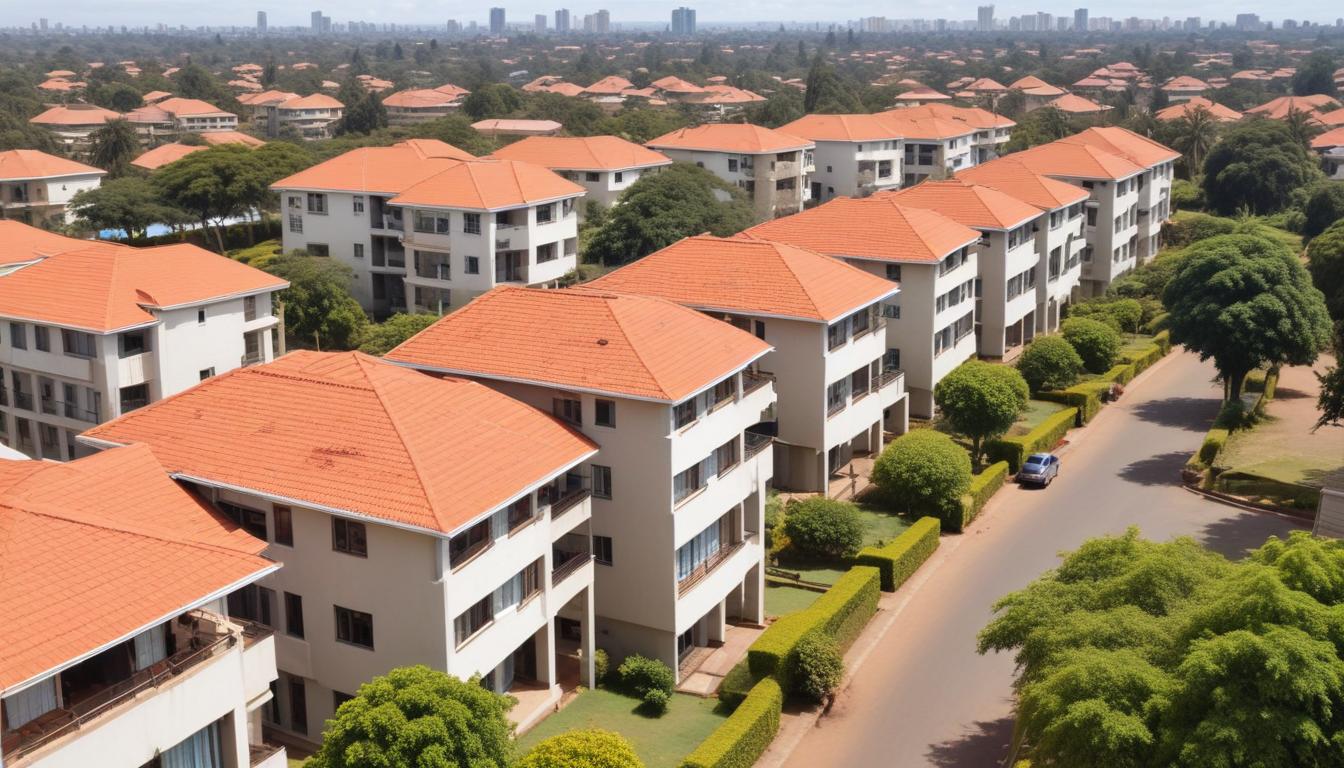
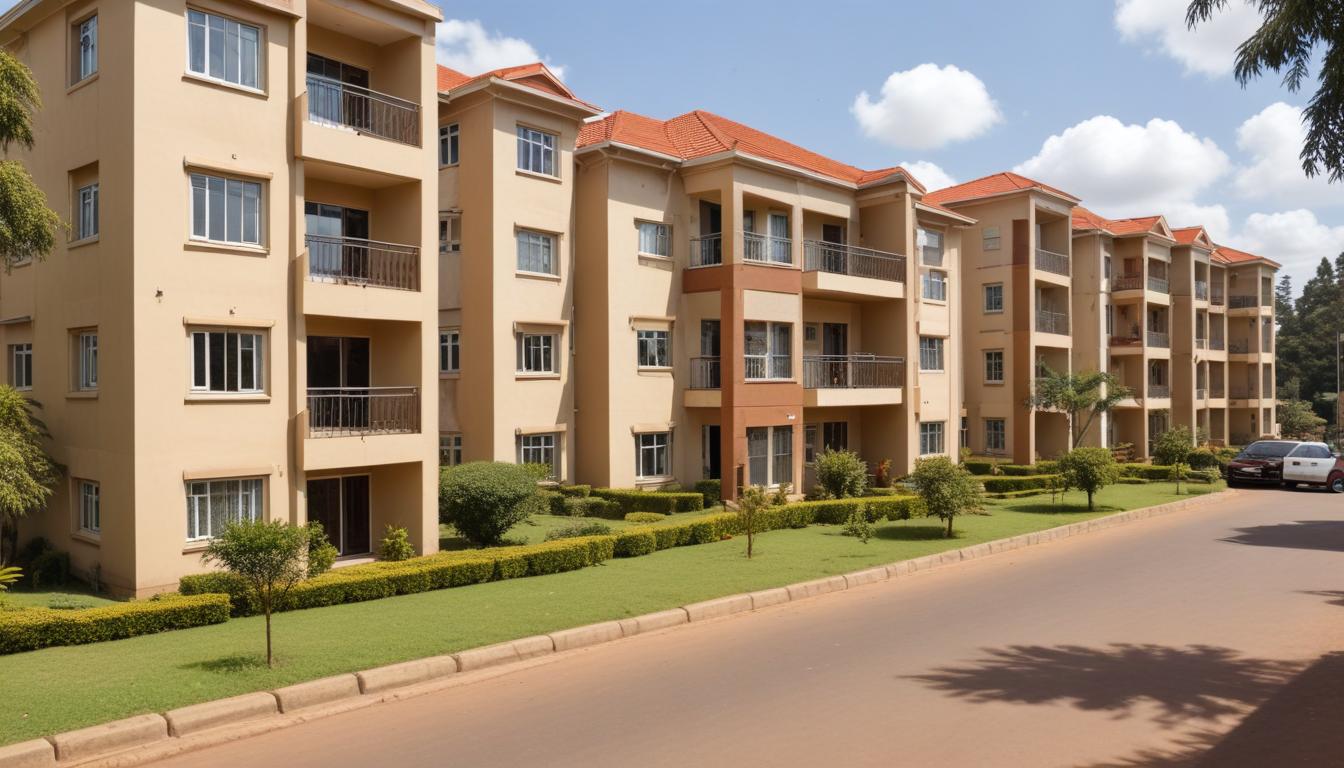
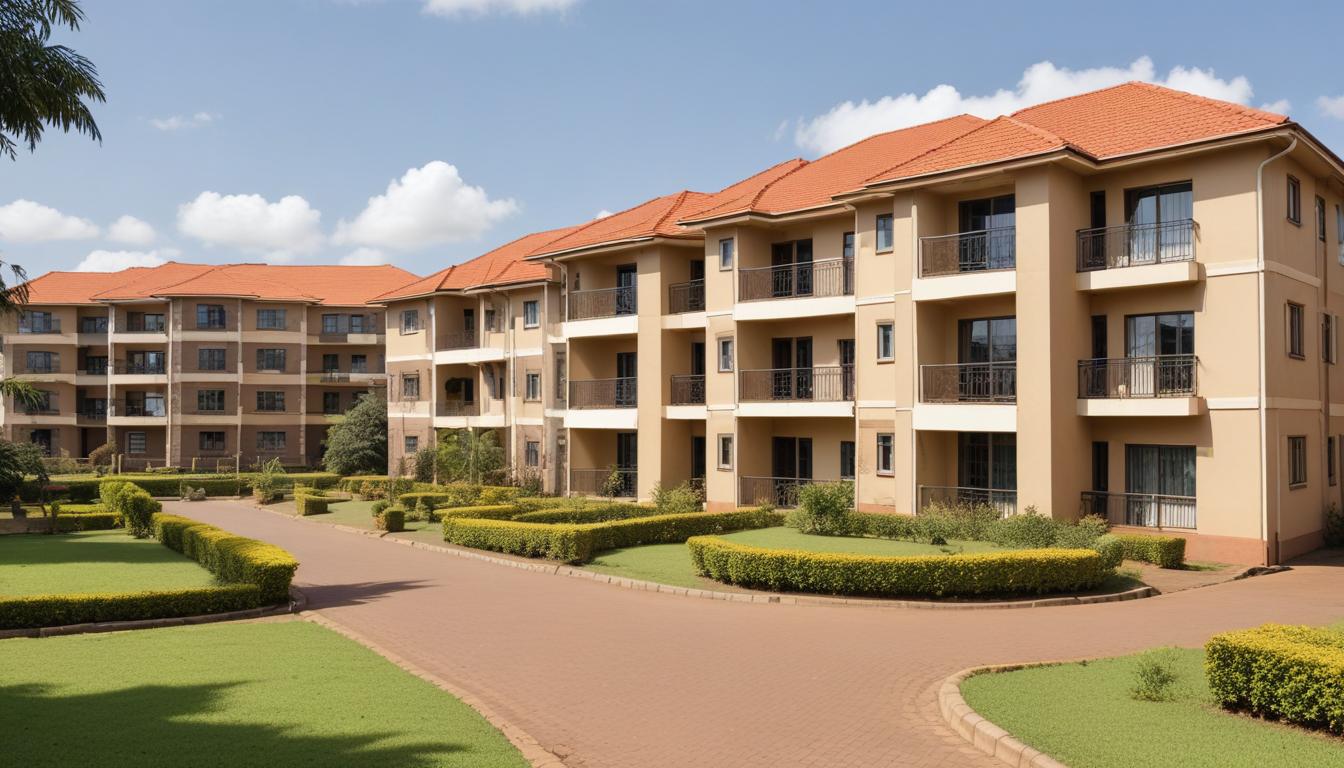
The premium segment—properties exceeding KES 25 million—remains concentrated in Westlands and Lavington, but Kilimani's trajectory suggests this gap is closing. Plot sizes averaging 0.5–1.2 acres, combined with relaxed zoning regulations for contemporary architecture, have enabled developers to craft bespoke family compounds that appeal to buyers fatigued by Nairobi's more congested thoroughfares.
Industry analysts cautionary note infrastructure must keep pace with demand. Pending improvements to Limuru Road and proposed metro connectivity will prove decisive. For now, Kilimani represents that rare convergence: sufficient maturity to minimise speculative risk, sufficient growth runway to justify investor conviction. The question is no longer whether Kilimani will become premium, but how rapidly its elevation will complete.
This article was compiled by AI from the sources linked above and screened before publishing. See our editorial standards.