Why Nairobi Investment Property Prices Are Climbing—And What Shrewd Buyers Must Know Right Now
Shifting demand patterns, improved infrastructure, and currency dynamics are reshaping yields across key corridors; here's where landlords should focus.
Shifting demand patterns, improved infrastructure, and currency dynamics are reshaping yields across key corridors; here's where landlords should focus.
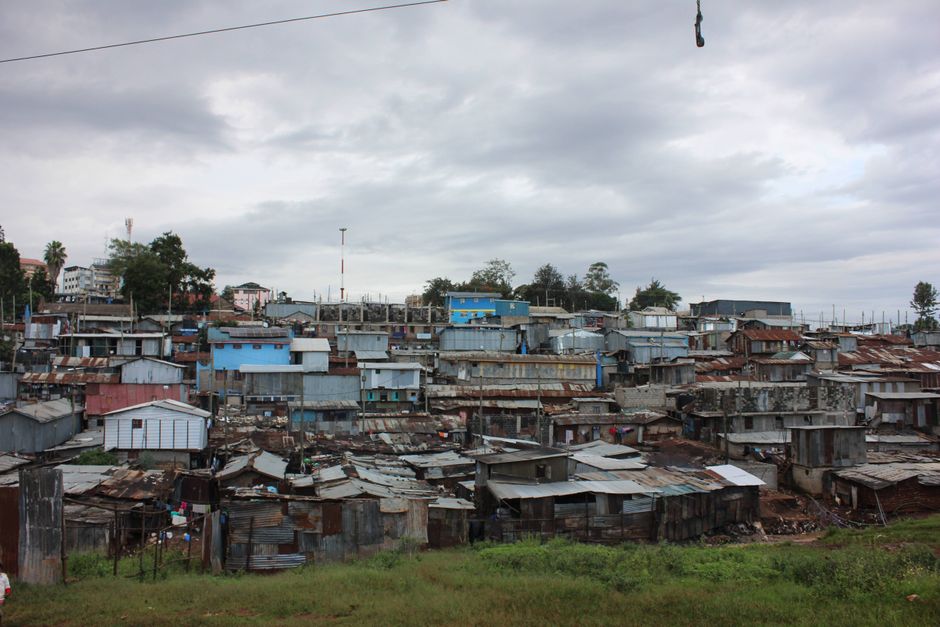
Nairobi's investment property landscape is undergoing a decisive shift. With average prices hovering around KES 15 million citywide, but pockets in Westlands and Lavington commanding premiums well above KES 25 million, understanding what's driving these moves has never been more critical for prospective landlords.
The primary catalyst is infrastructure momentum. Completed sections of the Southern Bypass have compressed commute times from Ruaka and Syokimau—traditionally budget-conscious growth corridors—making these areas newly attractive to middle-income tenants. A two-bedroom apartment in Ruaka that yielded 5 per cent annually three years ago now commands 6.5–7 per cent, partly because office parks along the Nairobi-Machakos Road are drawing commuters away from congested central zones. Properties near the Jomo Kenyatta International Airport road interchange have similarly seen investor interest spike.
Yet prices aren't rising uniformly. While Kileleshwa and Kilimani remain popular with young professionals and families—supporting consistent 6–7 per cent gross yields—newer entrants are increasingly priced out. A studio in these neighbourhoods now regularly fetches KES 8–12 million, placing them beyond first-time landlords' reach. Savvy investors are pivoting to tertiary areas: Kasarani, Embakasi, and sections of Nairobi West, where unit costs remain manageable and demand from diaspora-linked buyers and young entrepreneurs is accelerating.
Currency headwinds also merit attention. The shilling's fluctuations against the dollar have made dollar-based rents more attractive to offshore investors, particularly in premium zones. However, this has paradoxically compressed local purchasing power, making affordability a genuine concern for residential buyers. Property agents across Upper Hill and Kilimani report rising interest from diaspora investors seeking stable KES-denominated yields, even as local first-time buyers withdraw.
The rental market itself is tightening. Co-working spaces like those in Westlands have drawn young professionals willing to pay premium rents for modern, secure units with amenities. This is reshaping tenant profiles: landlords who upgrade kitchens, install solar panels, or provide reliable water systems command 10–15 per cent rental premiums.
For buyers entering now, the window favours those targeting specific demographics. Build-to-rent developers near Nairobi's employment hubs—the Business Park corridor, Upper Hill offices—are attracting institutional capital. Individual landlords should focus on neighbourhoods with clear demographic tailwinds: Kileleshwa for young professionals, Syokimau for growing families, and upper Kasarani for budget-conscious tenants. Yields matter less than tenant stability and capital appreciation potential in your chosen pocket.
The market is rewarding specialisation, not generalisation.
This article was compiled by AI from the sources linked above and screened before publishing. See our editorial standards.
How does this story make you feel?
Spread the word
About this article
Published by The Daily Nairobi
Daily brief
Free, in your inbox before 7am. Weekdays.
More in Property