Breaking Into Nairobi's Luxury Market: A First-Timer's Map to Westlands, Lavington and Beyond
As high-end property values climb across the capital, first-time luxury buyers need strategy, not just capital—here's your playbook.
As high-end property values climb across the capital, first-time luxury buyers need strategy, not just capital—here's your playbook.
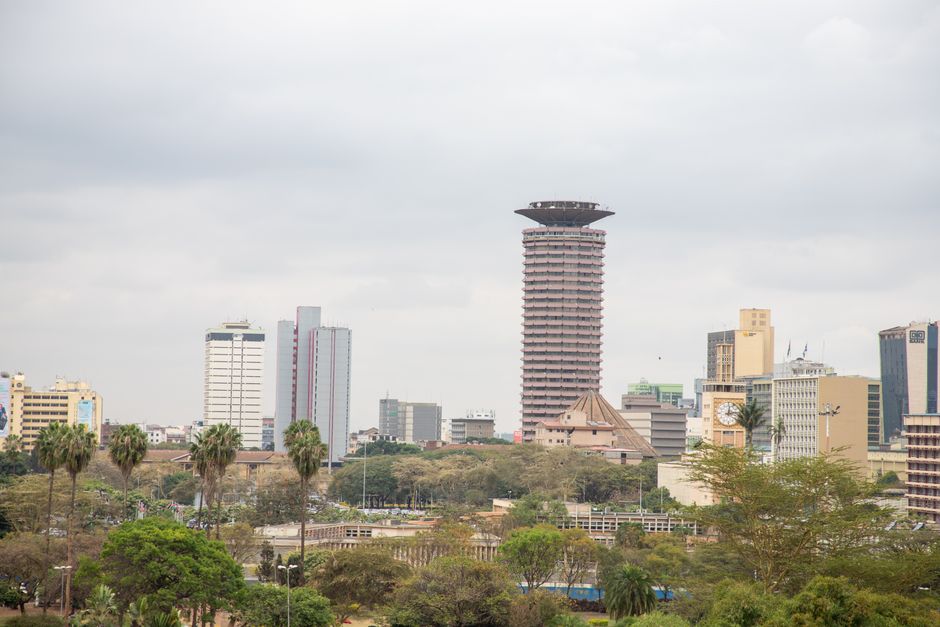
The Nairobi luxury property market has never been more competitive. While the city's average residential asking price hovers around KES 15 million, premium neighbourhoods command multiples of that figure, with some properties in Westlands and Lavington exceeding KES 150 million. For first-time buyers entering this rarefied space, understanding the landscape is non-negotiable.
Start with location hierarchy. Westlands remains the undisputed heavyweight—tree-lined avenues near Chiromo Lane and Tree Avenue command top dollar, driven by proximity to corporate headquarters, embassies, and the affluent Village Market precinct. Lavington follows closely, with its larger plots and established prestige attracting families and investors alike. Both neighbourhoods offer security infrastructure and established service networks that justify premium pricing. However, savvy newcomers should eye Kileleshwa and Kilimani, where values have appreciated steadily without the Westlands premium. Properties here—particularly along Argwings Kodhek Road and near the Nairobi School—offer better entry points while maintaining credibility.
Budget realistically. A modest luxury home in Westlands starts around KES 80 million; expect KES 120+ million for something with contemporary finishes and premium location. Kileleshwa and Kilimani offer comparable quality at 30-40% less. Beyond these zones, growth corridors like Ruaka and Syokimau are attracting investors betting on infrastructure development, though these carry higher speculation risk.
Engage specialists early. The luxury segment demands agents with deep network access—firms with established relationships among institutional investors, expatriate communities, and high-net-worth individuals. Request references from completed transactions, not projections. Also, retain a property lawyer experienced in high-value conveyancing; title disputes in premium zones can be costly and protracted.
Conduct thorough due diligence. Beyond standard searches, investigate neighbourhood trajectory. Is the area experiencing commercial encroachment? Are security concerns rising? Proximity to major thoroughfares like Mombasa Road can shift valuations dramatically. Visit target streets at different times—early morning, midday, and evening—to gauge lifestyle reality.
Factor in hidden costs. Property management for luxury homes in Nairobi averages 8-12% of annual rental value if leasing. Security systems, regular maintenance of generators and water tanks, and domestic staff considerations add substantially to ownership costs. First-time buyers often underestimate these expenses by 40-50%.
Finally, consider your exit strategy before purchasing. Luxury markets are thinner than mass-market segments—liquidity matters. Properties with clear provenance, modern construction standards, and location appeal near commercial or institutional anchors sell faster. Unique or bespoke designs, while attractive, can limit your buyer pool.
The luxury market rewards preparation. Move deliberately, ask granular questions, and prioritise long-term location stability over short-term appreciation promises.
This article was compiled by AI from the sources linked above and screened before publishing. See our editorial standards.
How does this story make you feel?
Spread the word
About this article
Published by The Daily Nairobi
Daily brief
Free, in your inbox before 7am. Weekdays.
More in Property