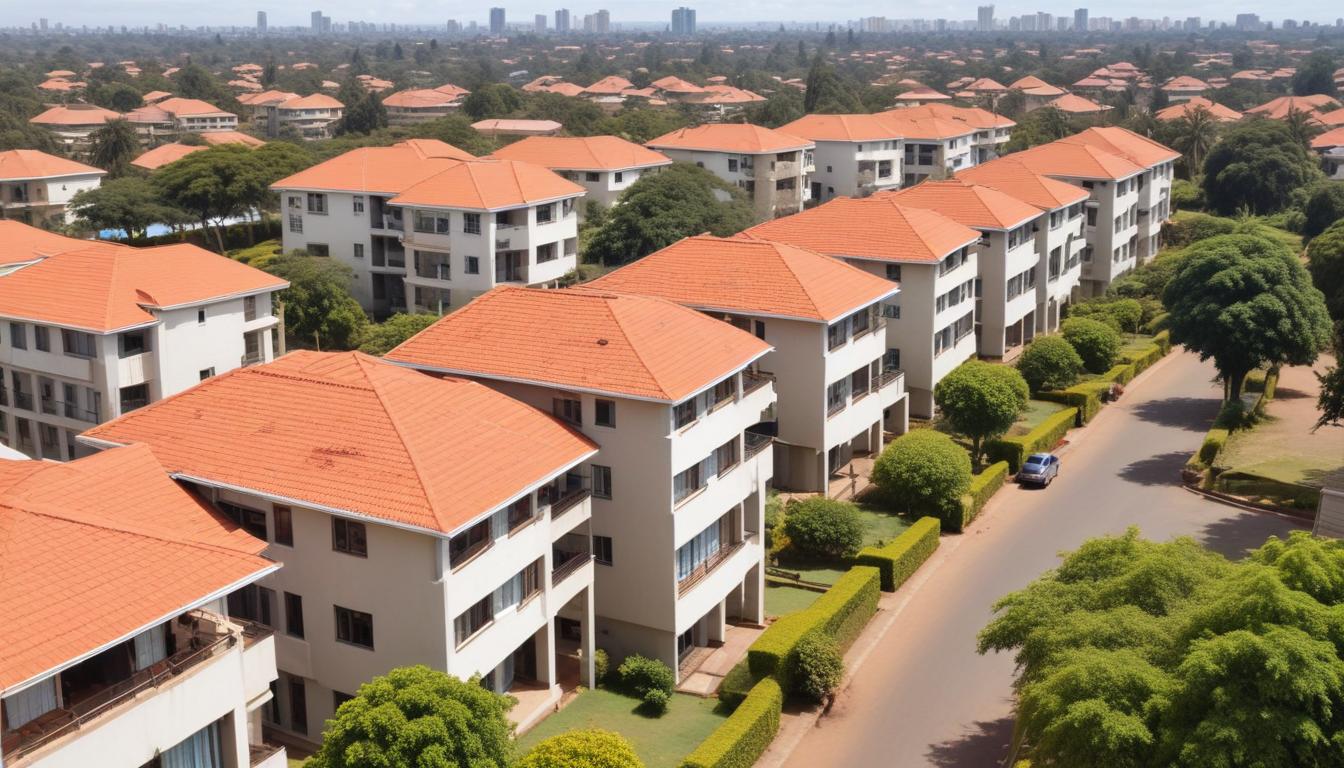
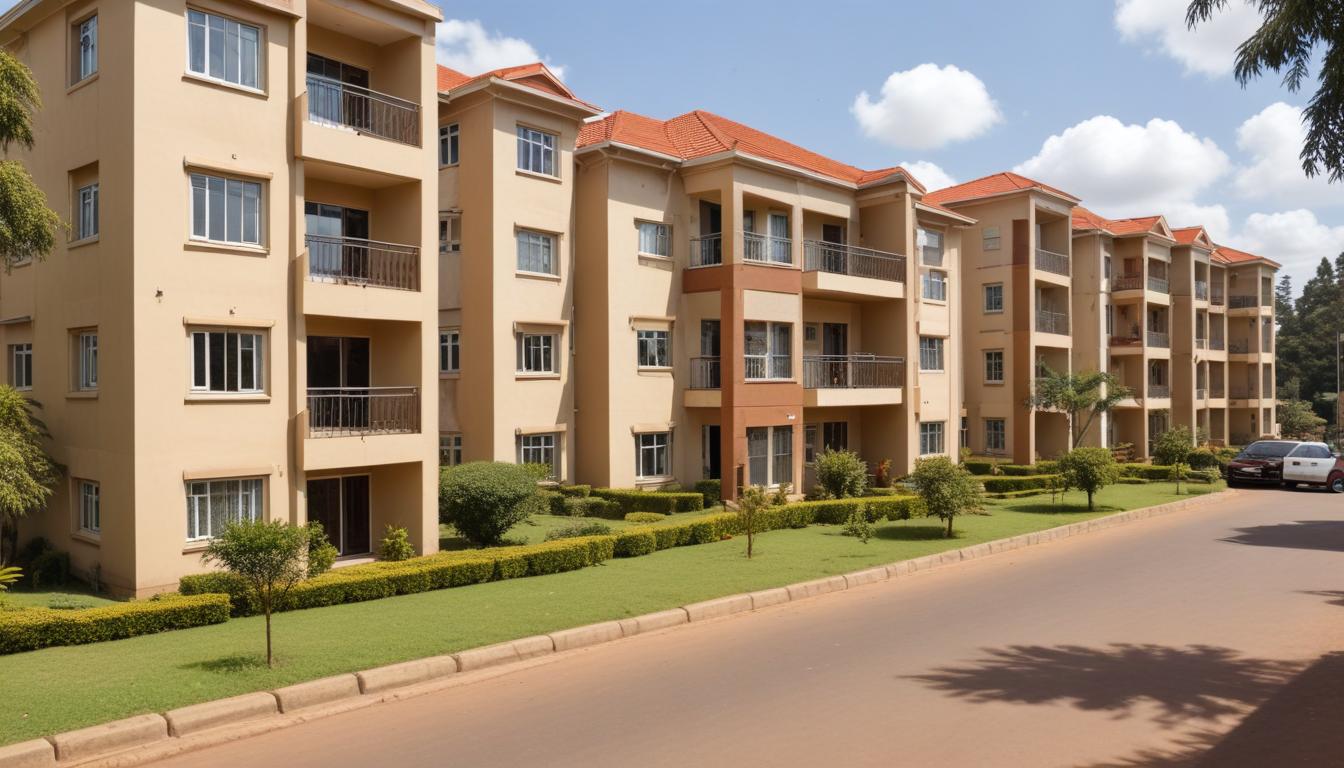
Nairobi's property market has long danced to the rhythm of regulation, but 2026's planning decisions are proving particularly consequential. The City County's revised zoning framework—which relaxed mixed-use density caps in Kileleshwa and Kilimani while tightening setback requirements in Westlands—has ignited a visible shift in where seasoned investors are placing their bets.
The impact is most visible along Forest Road and Limuru Road, where Kileleshwa's newly permitted medium-density developments have attracted institutional capital previously locked into premium areas. Properties in the KES 25–35 million range, once considered secondary market holdings, are now trading with unprecedented velocity. Agents report that serviced plots in Kileleshwa's emerging commercial precincts are moving 40 per cent faster than comparable Lavington stock, a reversal that would have been unthinkable eighteen months ago.
The policy tailwind extends to the growth corridors. Ruaka and Syokimau have benefited from the county's infrastructure-led zoning amendments, particularly around the proposed Nairobi Southern Bypass interchange and Kamakis Road expansion. These infrastructure-linked planning decisions have lifted average land values in Ruaka by nearly 18 per cent year-on-year, according to recent transaction data, as developers anticipate commercial node formation around transport nodes.
Kilimani tells a different story. The decision to permit residential towers up to sixteen storeys on plots exceeding 2,500 square metres has triggered fierce competition for corner sites near Nairobi Hospital and the Nairobi School precinct. Premium apartments in newly approved mixed-use schemes are commanding premiums that track closer to Westlands pricing than to traditional Kilimani benchmarks—a policy-induced compression that has reshaped valuations across the neighbourhood.
Not all announcements have been winners. Stricter parking and green-space mandates in central Westlands have cooled speculative interest in older commercial plots along Parklands Road, promitting some holders to pivot toward Kilimani and Kileleshwa acquisitions instead. Meanwhile, the Environment and Land Court's recent rulings on riparian buffer zones have added unpredictability to riverside properties in Kasarani and Mathare—a regulatory overhang that continues to depress investor confidence in those submarkets.
For property professionals, the lesson is clear: monitoring the County Planning Committee's notice boards and following transport infrastructure timelines is no longer optional due diligence. The neighbourhoods capturing capital in 2026 are those where policy clarity and infrastructure certainty align. Investors overlooking these regulatory currents risk buying into yesterday's narrative while neighbours capturing tomorrow's upside move with purposeful speed.
This article was compiled by AI from the sources linked above and screened before publishing. See our editorial standards.