Luxury Nairobi: What Returns Are High-End Investors Actually Getting?
As premium property values climb across Westlands and Lavington, analysis of rental yields and capital appreciation reveals a market where patience—and location—pays off.
As premium property values climb across Westlands and Lavington, analysis of rental yields and capital appreciation reveals a market where patience—and location—pays off.

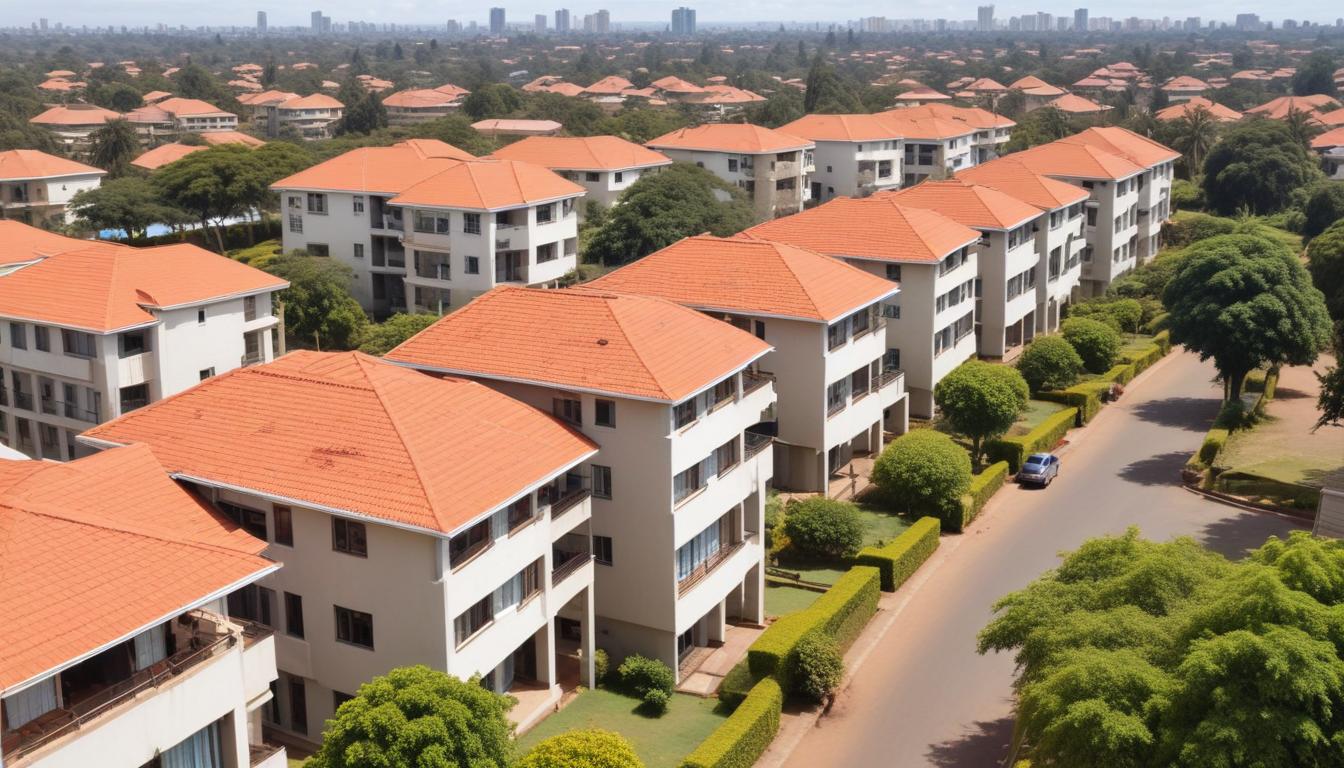
Nairobi's luxury property sector is delivering measurable returns, but the numbers tell a story far more nuanced than headline prices suggest. While the city's average residential property trades around KES 15 million, premium addresses in Westlands and Lavington command exponentially higher sums—and increasingly, data shows investors are seeing double-digit yields on their capital.
Recent transactions in tree-lined Lavington have shifted the conversation. A three-bedroom villa on Bishops Road, acquired for approximately KES 85 million five years ago, recently transacted at KES 115 million. That represents a 3.5 percent annualized appreciation. More significantly, monthly rentals on comparable Lavington properties now hover between KES 400,000 and KES 650,000—translating to gross yields of 5.6 to 9.2 percent annually, substantially above the national average.
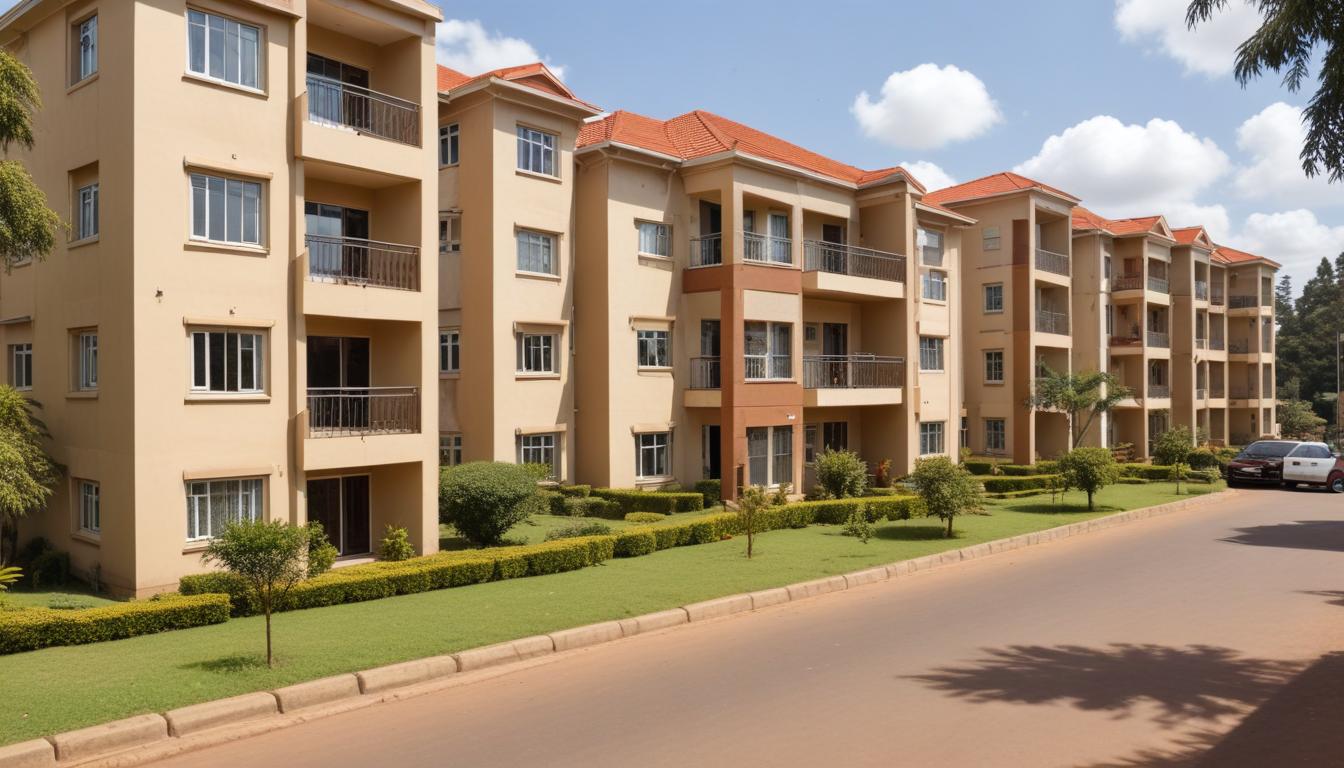
Westlands, particularly around State House Road and The Mall vicinity, shows sharper rental momentum. Four-bedroom apartments in secured complexes consistently attract corporate tenants at KES 500,000 to KES 750,000 monthly. With acquisition costs ranging from KES 60 to 90 million, savvy investors are realizing net yields approaching 7 to 9 percent after management costs—a compelling return in an era of volatile equity markets.
The emerging corridors complicate the picture. Kileleshwa and Kilimani have democratized access to quality residential stock, with comparable properties yielding 6 to 8 percent gross returns at lower entry points. Yet capital appreciation has lagged premium zones, suggesting these markets function more as yield plays than wealth-building vehicles.
What's driving premium returns? Three factors dominate. First, Nairobi's status as East Africa's financial hub attracts expat demand—diplomatic staff, multinational executives, NGO leadership—willing to pay for security, predictability, and established amenities. Second, limited high-end supply in established neighborhoods has compressed vacancy rates below 5 percent in prime Westlands addresses. Third, currency dynamics: foreign investors benefit when the shilling depreciates, while regional tenants find Nairobi's premium stock competitive against Dar es Salaam or Kampala.
Yet caution merits emphasis. Transaction volumes in the KES 100+ million segment remain thin, creating liquidity challenges. Property management standards vary significantly. And regulatory shifts—land rate harmonization, tax treatment of rental income—introduce uncertainty.
The data suggests a bifurcated market. Established luxury zones deliver consistent mid-to-high single-digit returns with capital appreciation kickers. Growth corridors offer yield but demand patience on appreciation. For investors with adequate capital and time horizons exceeding five years, Nairobi's premium segment remains compelling—provided location discipline and due diligence remain non-negotiable.
This article was compiled by AI from the sources linked above and screened before publishing. See our editorial standards.
How does this story make you feel?
Spread the word
About this article
Published by The Daily Nairobi
Daily brief
Free, in your inbox before 7am. Weekdays.
More in Property