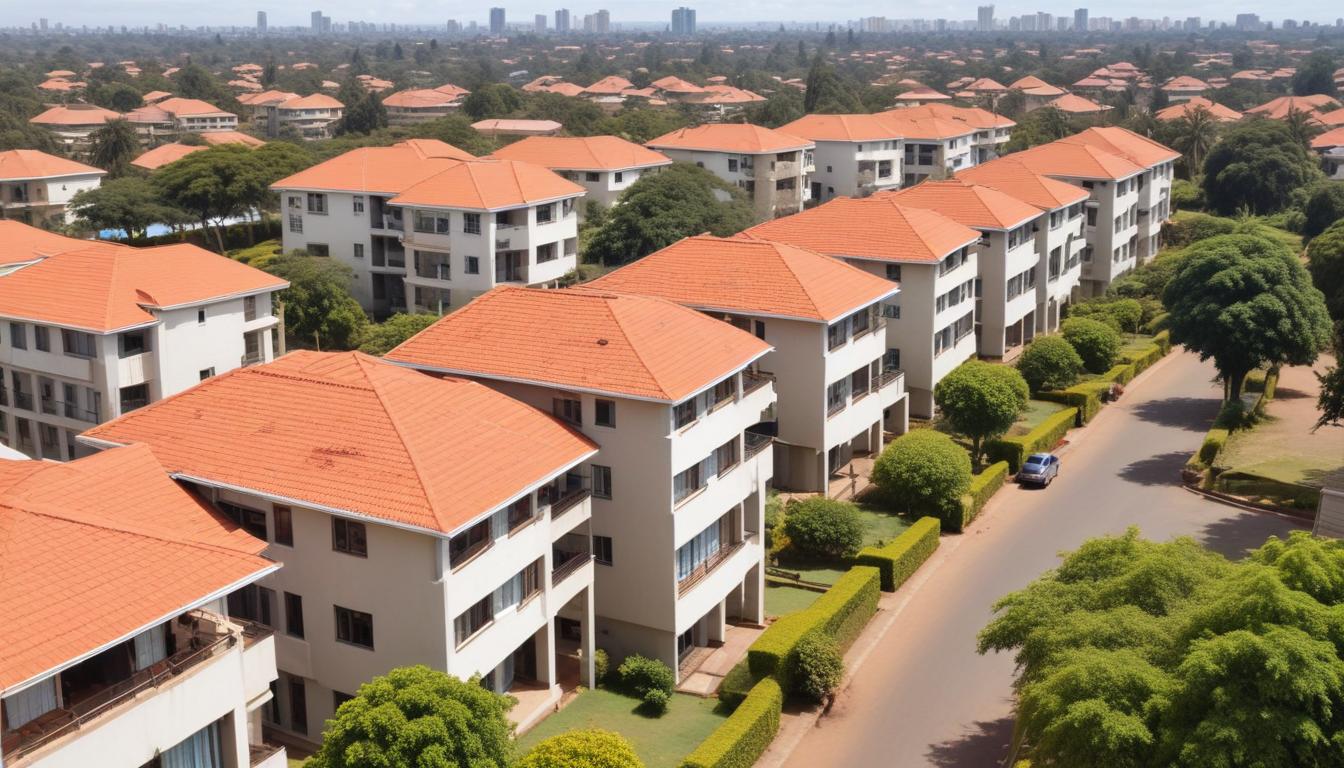
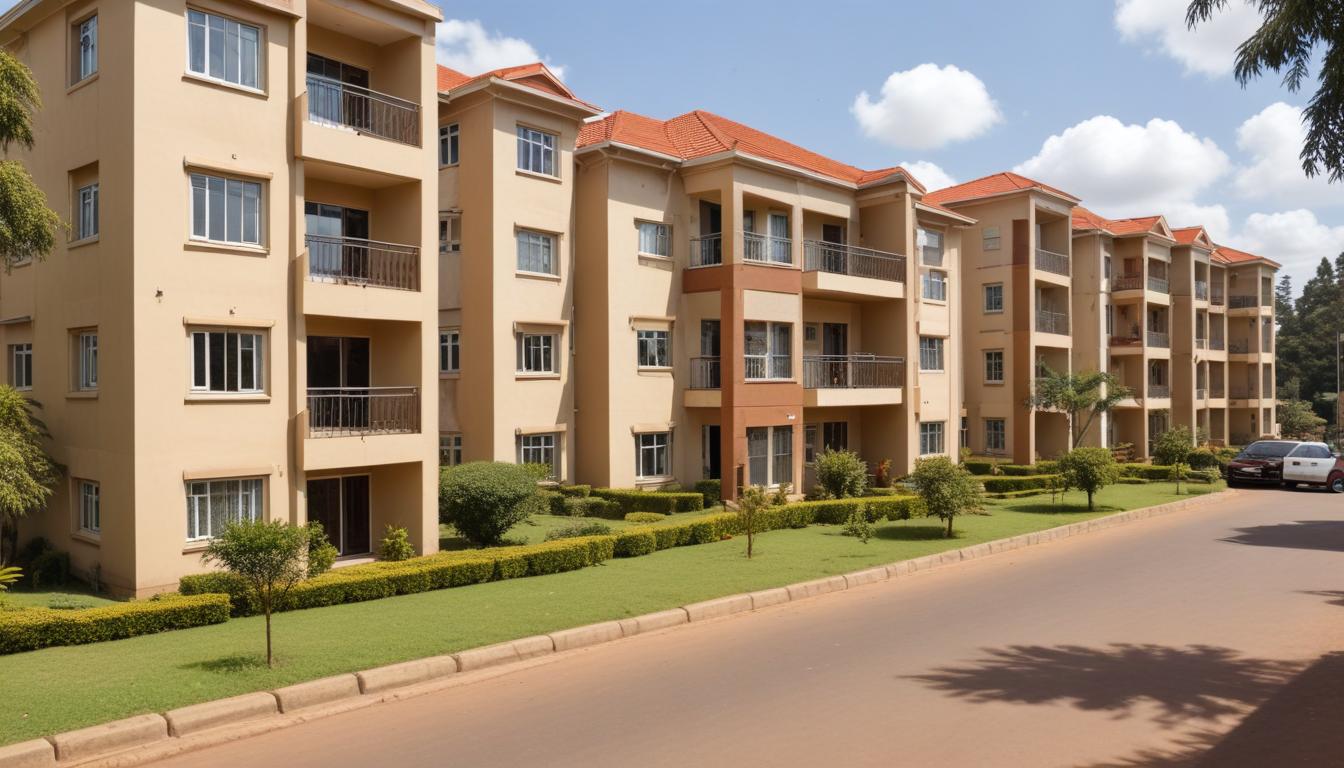
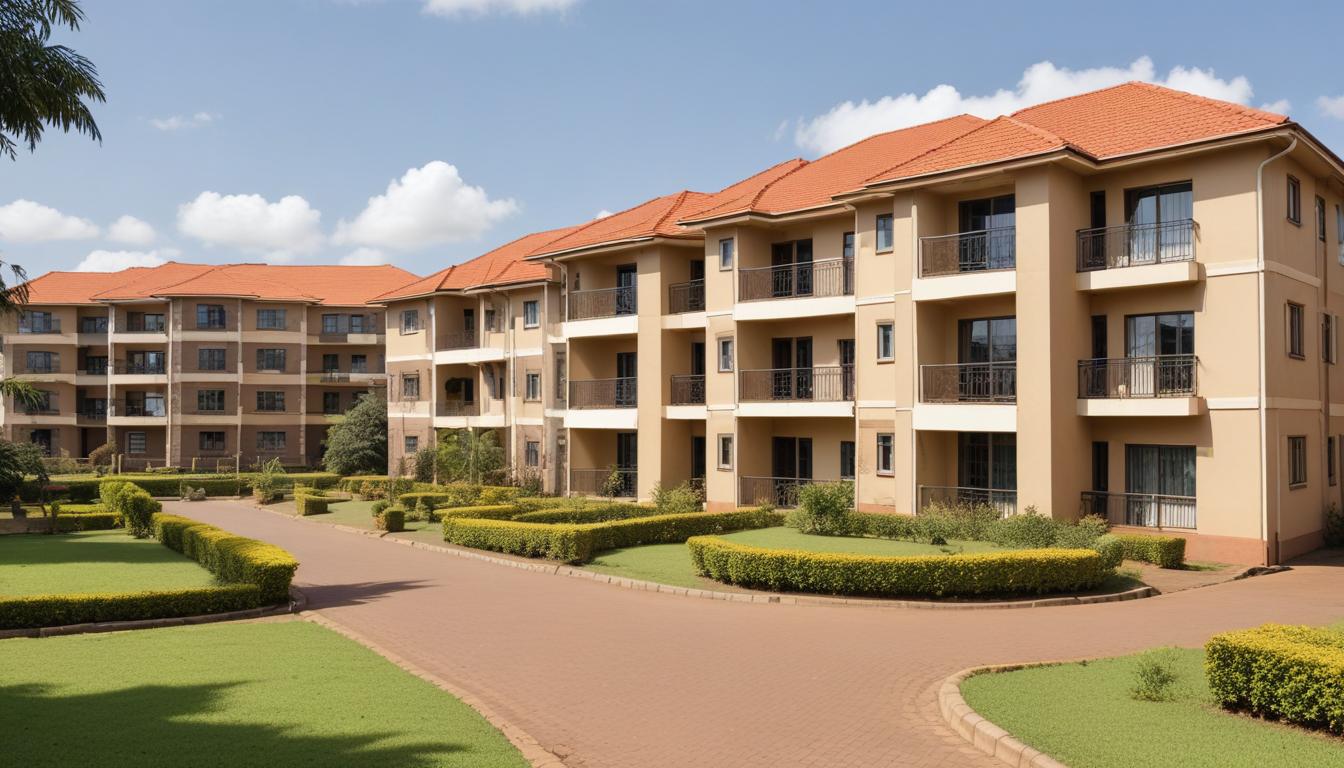
The Nairobi rental market has become a crucible for first-time property buyers, forcing both tenants and landlords to recalibrate their financial strategies. As average property prices hover around KES 15 million across the capital, the rental sector's instability is creating unexpected friction for those trying to climb the property ladder.
Tenants in established neighbourhoods like Kilimani and Kileleshwa report mounting pressure. Rising maintenance costs, increased property taxes, and aggressive landlord demands have made it increasingly difficult for renters to accumulate savings for down payments. A one-bedroom apartment in Kilimani now commands upwards of KES 80,000 monthly—a figure that consumes significant portions of middle-class incomes, leaving little room for investment capital. This squeeze has direct implications for first-time buyer programmes, as financial institutions now scrutinise tenant histories more carefully when assessing mortgage readiness.
Landlords, conversely, face their own constraints. Vacancy rates in secondary markets like Ruaka and Syokimau have risen as renters seek more affordable options, forcing property owners to either reduce rates or accept extended vacant periods. Several landlords have begun exploring mixed-use developments or converting single units into shared spaces—strategies that complicate the traditional rental ecosystem and make it harder for tenants to plan long-term housing strategies.
The finance landscape reflects these pressures. Banks and microfinance institutions, including major players operating from offices along Nairobi's central business district, have become more conservative with first-time buyer grants and flexible financing products. Organisations like the Kenya Mortgage Refinance Company (KMRC) have had to adjust eligibility criteria, particularly for applicants coming from the rental sector without substantial savings buffers.
Industry analysts point to a critical gap: first-time buyers need bridges between renting and ownership, yet current market conditions are widening rather than narrowing this divide. Prospective homeowners are increasingly drawn to emerging corridors like Syokimau and Ruaka, where entry-level properties remain closer to KES 8-12 million, though these areas still lack the infrastructure maturity of established zones like Westlands or Lavington.
Government initiatives aimed at supporting affordable housing have attempted to address this, but implementation remains patchy. Financial institutions must now balance risk management with inclusivity—a delicate equilibrium as rental market volatility persists. For tenants and landlords alike, understanding these dynamics is no longer optional; it's essential to navigating Nairobi's increasingly complex property ecosystem.
This article was compiled by AI from the sources linked above and screened before publishing. See our editorial standards.