Construction Boom and Approval Delays: What's Really Driving Nairobi Property Prices in 2026
New developments across prime corridors are reshaping the market—but buyers need to understand the approval bottleneck before committing.
New developments across prime corridors are reshaping the market—but buyers need to understand the approval bottleneck before committing.
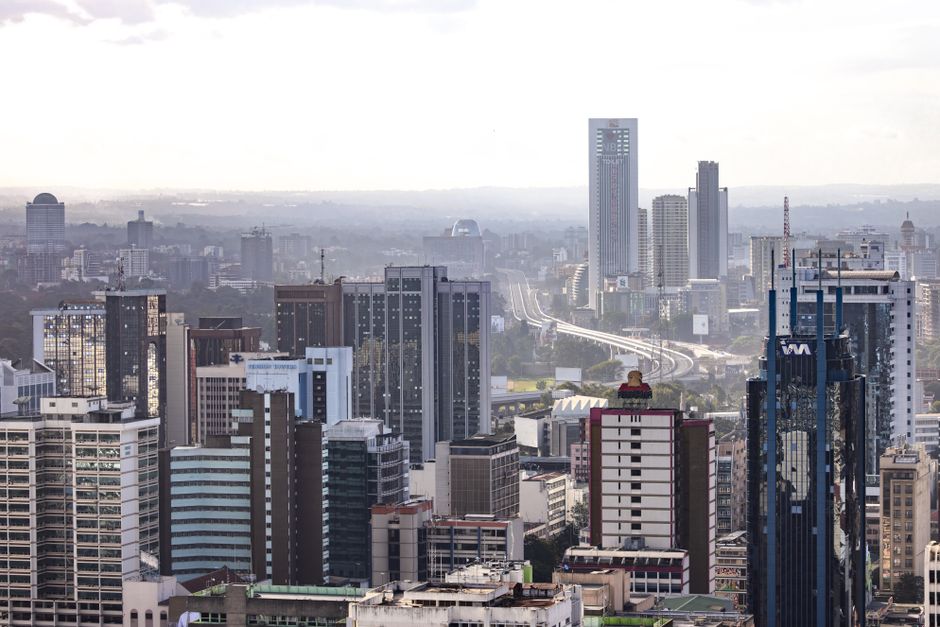
Nairobi's property market is at a crossroads. While the average residential property hovers around KES 15 million, new construction approvals are creating a two-tier pricing structure that savvy buyers need to navigate carefully.
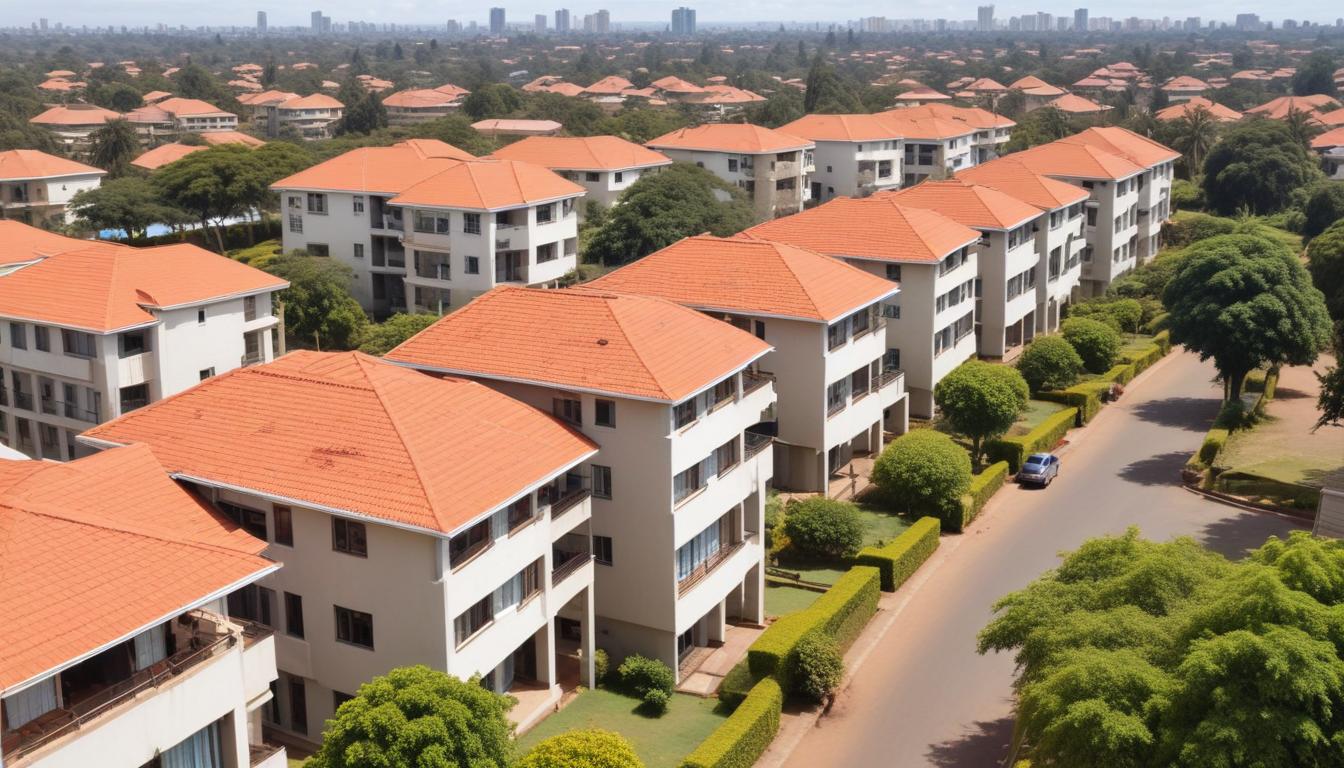
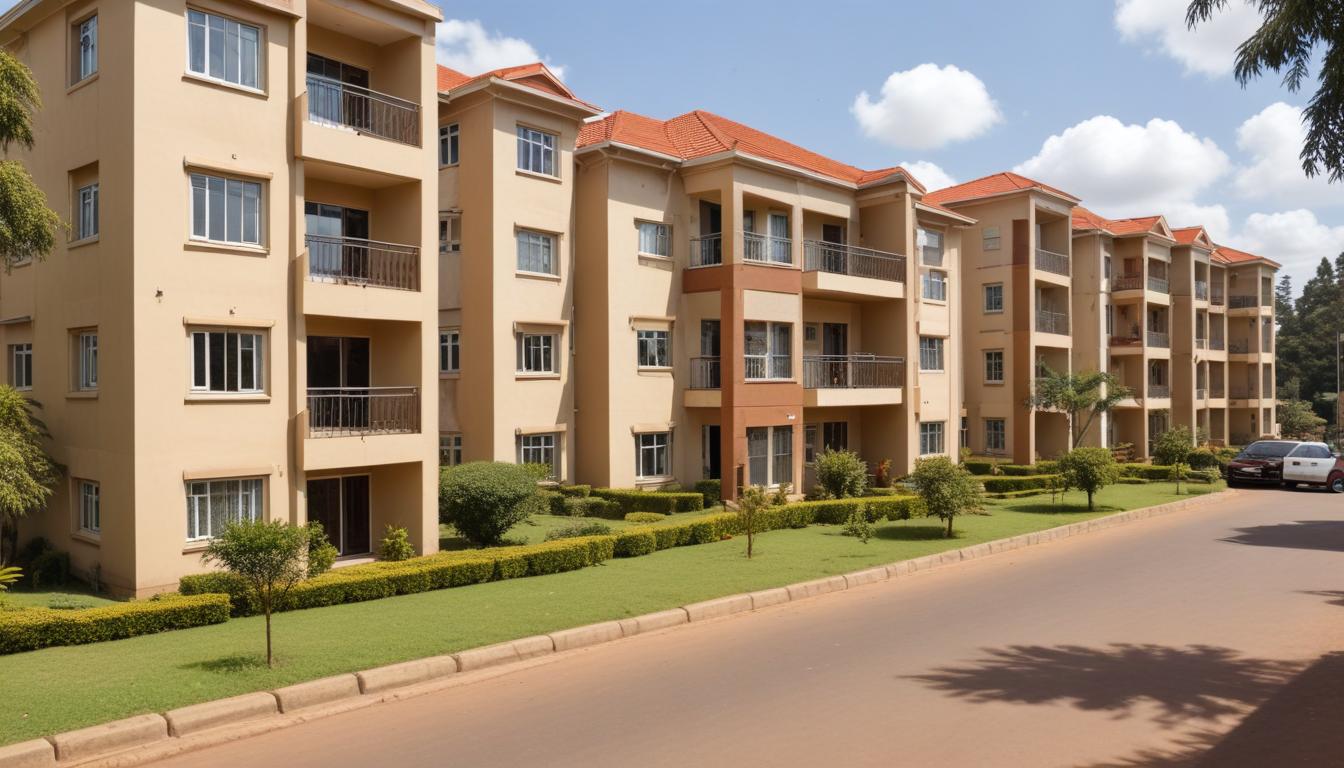
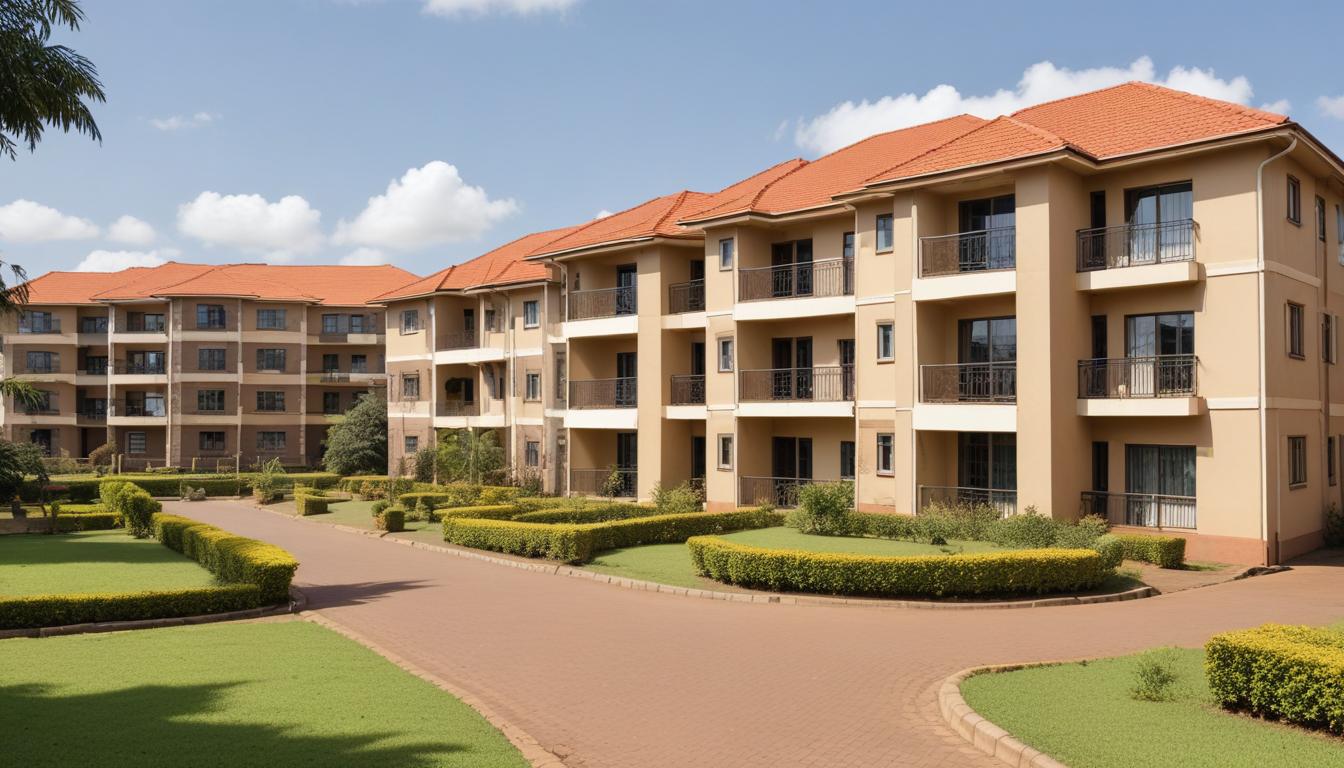
The surge begins in unlikely places. Developments along the Ruaka-Limuru corridor and the Syokimau-Athi River expansion zone are driving prices upward faster than central areas like Kilimani and Kileleshwa, traditionally Nairobi's growth anchors. New apartment complexes in Ruaka now command KES 12-18 million for three-bedroom units—a 22% jump from 2024—while similar properties in Westlands remain locked in the KES 20-28 million band due to land scarcity and heritage restrictions.
The real story, however, sits in the planning office. The Nairobi City County's building approval process has become a critical market variable. Developments awaiting final sign-off from Ardhi House are creating artificial scarcity upstream, while completed projects with all clearances attract premium pricing. A completed 300-unit residential block near The Hub Karen, fully approved and ready for occupancy, sold faster and at higher per-unit costs than an identical neighbouring project still pending environmental impact assessment sign-off.
What changed? Three factors converge. First, stricter Environmental and Social Impact Assessment (ESIA) requirements mean approvals now take 18-24 months instead of 12. Second, the County's push for affordable housing units within new developments—typically 15-20% of units priced below KES 8 million—has reshaped developer economics and timelines. Third, infrastructure-linked approvals (water, roads, waste management) mean projects in outlying areas like Syokimau face longer waits but cheaper land acquisition.
For buyers, the implications are stark. A property in pre-approval stage offers better pricing but carries regulatory risk; one with full clearance commands a premium but offers certainty. Properties in approved developments near transport corridors—particularly along the Nairobi-Thika Super Highway and the proposed Bus Rapid Transit lanes—are appreciating at 8-12% annually, compared to 4-6% in landlocked residential estates.
Real estate agents increasingly separate listings by approval status. The City County's online portal now shows project timelines publicly, a transparency shift that has tightened margins for speculative flipping but rewarded patient investors in fully-cleared developments.
The lesson: Don't chase price alone. Verify approval status, understand infrastructure timelines, and recognise that in 2026's Nairobi, regulatory certainty is as valuable as location.
This article was compiled by AI from the sources linked above and screened before publishing. See our editorial standards.
How does this story make you feel?
Spread the word
About this article
Published by The Daily Nairobi
Daily brief
Free, in your inbox before 7am. Weekdays.
More in Property