Caught in the squeeze: how Nairobi's rental market conditions are reshaping the landlord-tenant balance
As yields compress and tenant demand shifts, property owners and renters are renegotiating the unwritten rules of Nairobi's residential market.
As yields compress and tenant demand shifts, property owners and renters are renegotiating the unwritten rules of Nairobi's residential market.
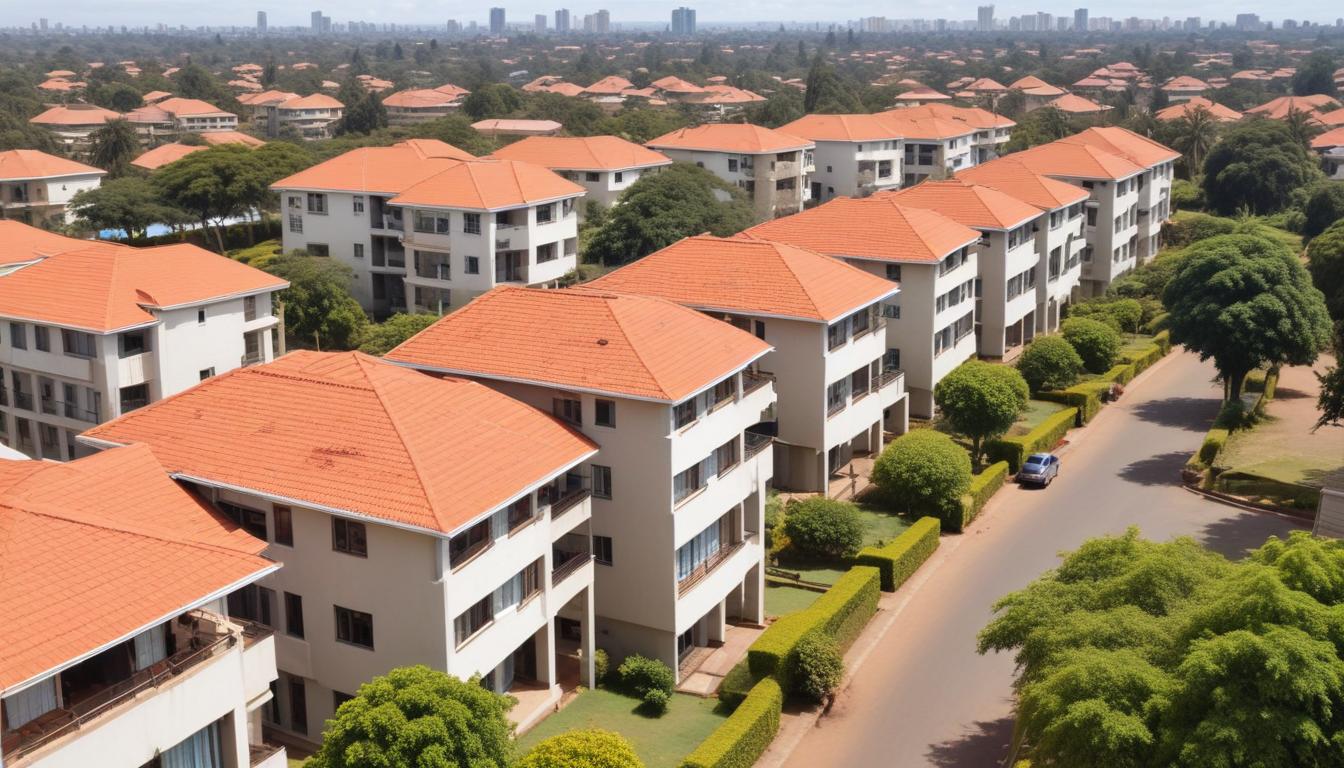
The rental market in Nairobi is experiencing a peculiar tension. Landlords holding property in established suburbs like Westlands and Lavington are reporting yields hovering between 4–5% annually—respectable by regional standards, but tighter than the 6–7% returns common five years ago. Meanwhile, tenants face mounting pressure as landlords pass on maintenance costs and seek annual rent reviews of 8–10%, even in neighbourhoods where wage growth has stalled.
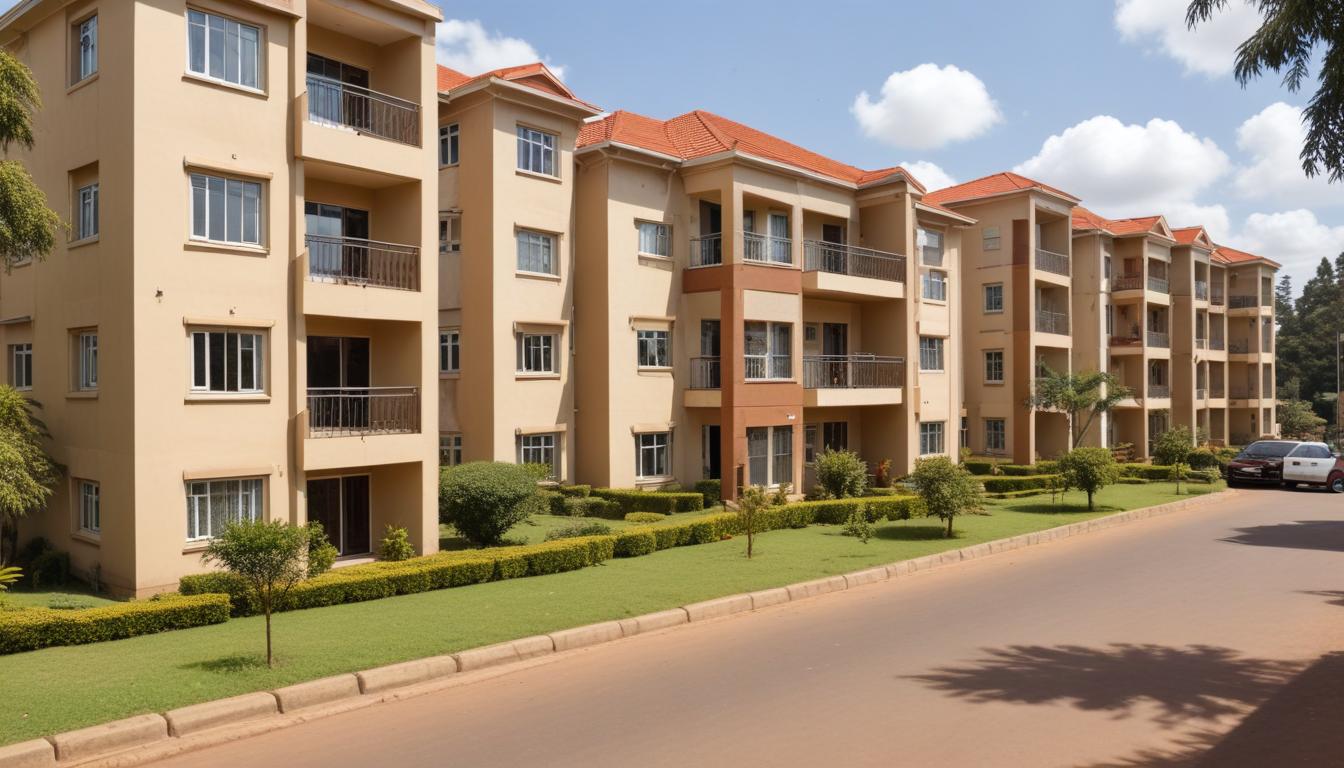
This squeeze is reshaping behaviour on both sides. In Kilimani and Kileleshwa, where rental demand remains robust, savvy landlords are investing in amenities—backup water systems, solar installations, improved security gates—to justify higher rates. Properties commanding KES 150,000–200,000 monthly for three-bedroom units are increasingly expected to include these features. But the cost of upgrading older properties has prompted some owners to hold off renovation, inadvertently creating a two-tier market: modern units with premium pricing, and aging stock competing on price alone.
For tenants, the dynamics vary sharply by location. In growth corridors like Ruaka and Syokimau, where new apartment blocks continue rising, rental inflation has moderated to 3–5% year-on-year as supply catches up with demand. A modest two-bedroom apartment in Ruaka now rents for KES 40,000–55,000, compared to KES 80,000–120,000 for equivalent space in Kilimani. This has triggered subtle migration patterns, with young professionals and growing families reassessing their neighbourhood preferences against transport time and affordability.
Professional property managers and organisations like the Kenya Property Owners Association have noted increased tenant churn—people switching flats more frequently to hunt for value. Landlords responding with flexibility—offering discounts for longer lease terms or absorbing utility costs—are seeing better retention. Those rigidly demanding annual increases are experiencing longer vacancy periods, a costly trade-off.
The average Nairobi residential property valued at KES 15 million generates modest cash flow relative to purchase price, making property investment increasingly dependent on long-term appreciation rather than rental income. This reality is pushing landlords toward maintaining tenant relationships and reducing turnover costs rather than maximising short-term yield extraction.
As the market matures, success for both parties hinges on pragmatism: landlords acknowledging yield compression while protecting asset value, and tenants recognising that well-maintained properties in desirable locations command premiums for good reason. The rental market's future depends on finding that equilibrium.
This article was compiled by AI from the sources linked above and screened before publishing. See our editorial standards.
How does this story make you feel?
Spread the word
About this article
Published by The Daily Nairobi
Daily brief
Free, in your inbox before 7am. Weekdays.
More in Property