Syokimau's Building Boom: How New Developments Are Reshaping Affordability Along the Outer Ring
As developers race to unlock land south of the city, prices and neighbourhood character are shifting faster than infrastructure can keep pace.
As developers race to unlock land south of the city, prices and neighbourhood character are shifting faster than infrastructure can keep pace.
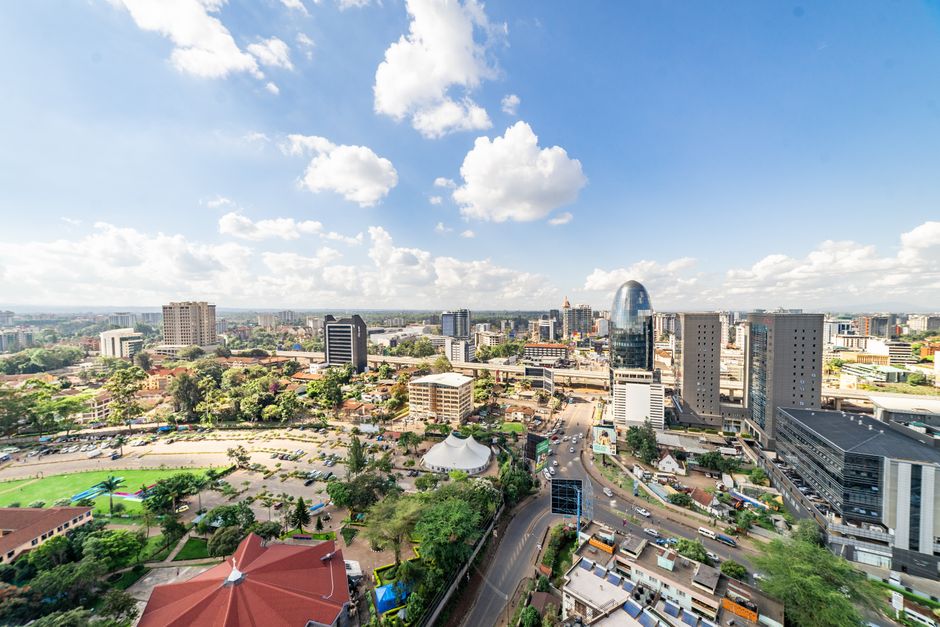
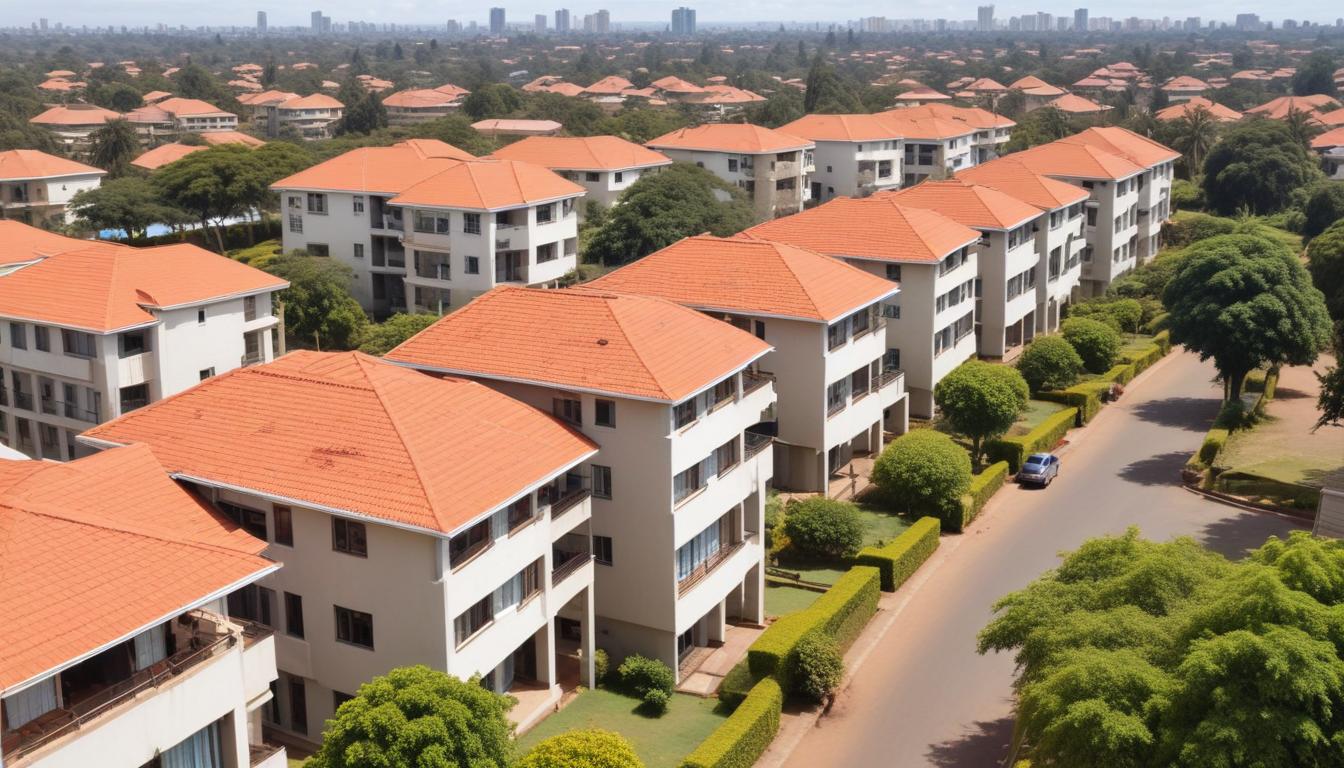
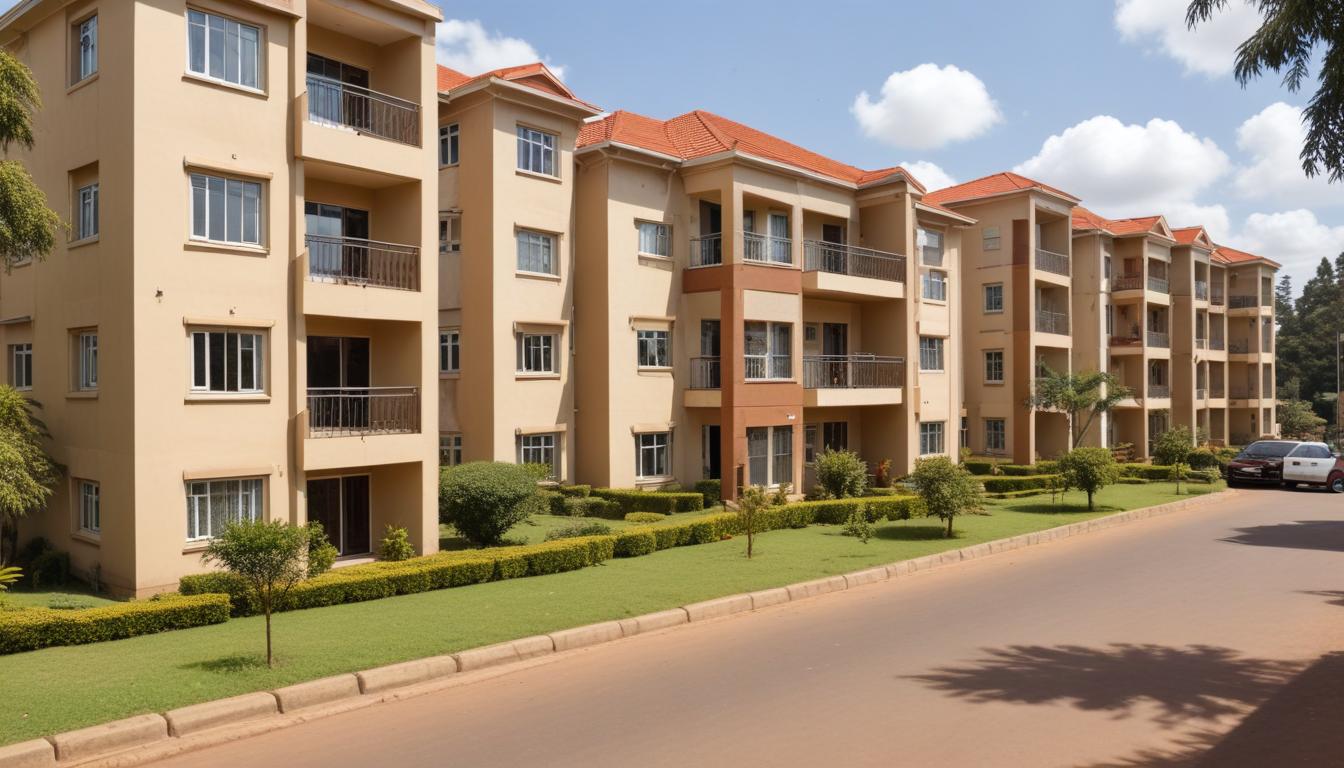
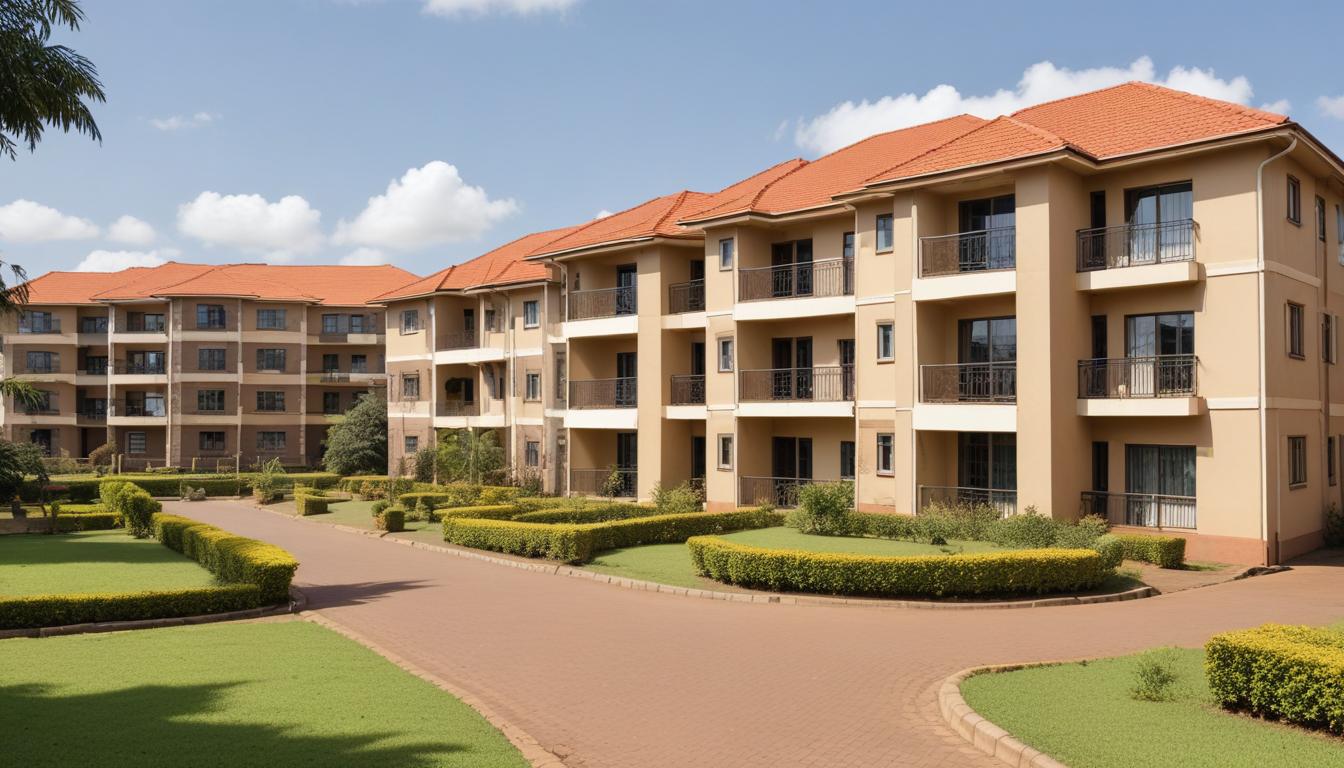
The stretch of Syokimau Road between the Southern Bypass and Mlolongo has transformed into Nairobi's most frenetic construction corridor. Where maize farms dominated five years ago, steel frames now pierce the skyline—and with them, a fundamental reshaping of what affordability means for Nairobi's expanding middle class.
Three major projects breaking ground in the past eighteen months tell the story. A mixed-use development near the Syokimau junction promises 400 units priced between KES 4.5 million and KES 8 million, while a secondary project targeting young professionals offers studio apartments at KES 2.8 million. Meanwhile, a retail-residential hybrid closer to Athi River is banking on the area's trajectory as an employment hub, with prices hovering around KES 6.2 million for two-bedroom units.
For context: Nairobi's city average sits at KES 15 million, making these developments dramatically more accessible than anything in Westlands or Lavington. But the real question isn't whether people can afford them—it's whether the area can absorb them.
"We're seeing young families and first-time buyers moving out here because they're priced out of Kilimani and Kileleshwa," explains one estate agent familiar with the corridor. "But schools, hospitals, and reliable transport are still catching up." The lack of a dedicated public transport network remains the elephant in the room; most residents depend on matatus or personal vehicles, adding hidden costs to the headline price advantage.
Local councillors report mixed sentiment. Infrastructure pressure—particularly water supply and waste management—has sparked complaints. Yet property values in Syokimau have appreciated roughly 18-22 percent annually over the past three years, suggesting genuine investor confidence in the area's long-term viability as Nairobi's urban footprint expands eastward.
The developments also signal a broader market shift. With premium neighbourhoods saturated and prices climbing beyond reach for many aspirational buyers, developers are betting on growth corridors like Ruaka and Syokimau to democratize homeownership. The strategy is working: off-plan sales in these areas now account for nearly 14 percent of Nairobi's new residential transactions.
Whether this represents a genuine solution to affordability or merely a postponement of the problem depends on what happens next. If infrastructure investment follows the construction wave, Syokimau could become a blueprint for sustainable expansion. If it doesn't, new residents may find themselves in affordable homes in increasingly congested, under-serviced neighbourhoods. For now, the cranes keep turning, and the prices keep climbing.
This article was compiled by AI from the sources linked above and screened before publishing. See our editorial standards.
How does this story make you feel?
Spread the word
About this article
Published by The Daily Nairobi
Daily brief
Free, in your inbox before 7am. Weekdays.
More in Property