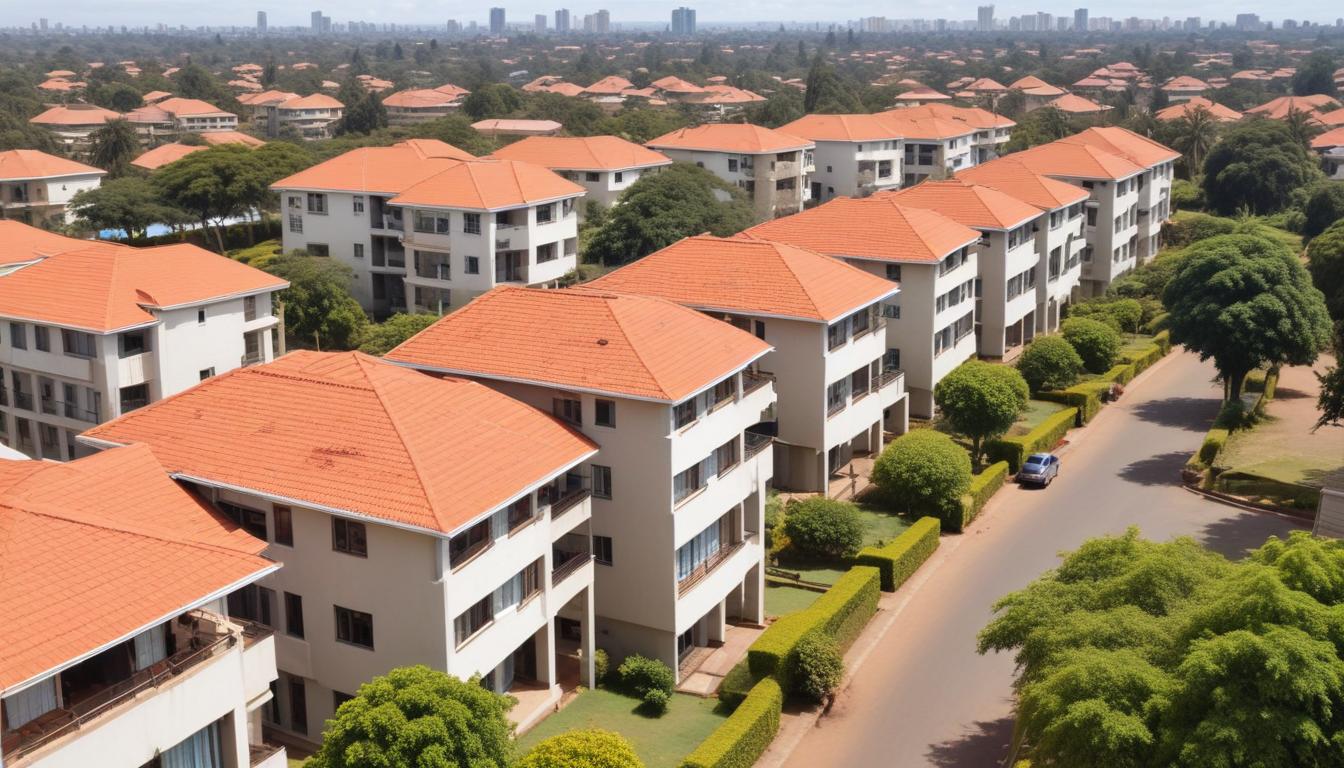
The gleaming towers along Waiyaki Way and the manicured estates of Lavington tell a story Nairobi's luxury property owners would rather not advertise: their premium rental markets are cooling, and neither landlords nor tenants are comfortable with the terms on offer.
A shift is underway in neighbourhoods where KES 200,000 monthly rents were once standard for three-bedroom apartments. Landlords across Westlands, Kilimani, and Kileleshwa report holding premium units vacant for four to six months—a duration unthinkable two years ago. The culprit? A mismatch between asking rents and what international tenants, once the reliable backbone of this segment, are actually willing to pay.
"The market has bifurcated," explains the rental landscape across East Africa's premier financial hub. Expat families relocating to Nairobi increasingly negotiate downwards, citing remote work flexibility and reduced office presence. Meanwhile, high-earning local professionals—the emerging demand driver—face stagnant salaries relative to climbing rental premiums. Properties marketed at KES 180,000-250,000 monthly in Westlands' prime corridors near Sarit Centre and Nakumatt are now attracting qualified inquiries only at KES 150,000-180,000.
The pressure reverberates unevenly. Large institutional landlords managing multi-unit developments show resilience through portfolio diversification. But individual property owners—particularly those who mortgaged units expecting consistent five-year rental agreements—face acute stress. Some have shifted tactics, offering furnished packages and flexible lease terms to attract tenants quickly, effectively absorbing carrying costs through service bundling rather than outright rent reductions.
For tenants, the mathematics favour negotiation. A young executive considering a two-bedroom in Kilimani or Ruaka holds genuine leverage. Yet paradoxically, improved negotiating power masks another tension: service quality. As landlords tighten margins, maintenance responsiveness and amenity upkeep suffer. Complaints about delayed repairs and inconsistent utilities—once rare in premium segments—now populate tenant forums discussing Lavington, Nyari, and Upper Hill properties.
The 'Home for a Home' dialogue dominating regional property conversation reflects broader anxieties about housing security. Even Nairobi's affluent neighbourhood ecosystems feel these tremors.
Interestingly, this rental correction may inadvertently reset expectations across Nairobi's property market. Landlords who previously held firm on premium pricing without corresponding service delivery are learning costly lessons. Tenants discovering their negotiating power early could reshape commercial relationships across the luxury segment for years ahead.
The outcome remains uncertain. But one thing is clear: Nairobi's prestige rental market is no longer a landlord's playground.
This article was compiled by AI from the sources linked above and screened before publishing. See our editorial standards.