Nairobi's Rental Math: What Returns Really Look Like for Property Investors
As capital values plateau, savvy landlords are discovering that yield—not appreciation—is the new measure of investment health.
As capital values plateau, savvy landlords are discovering that yield—not appreciation—is the new measure of investment health.
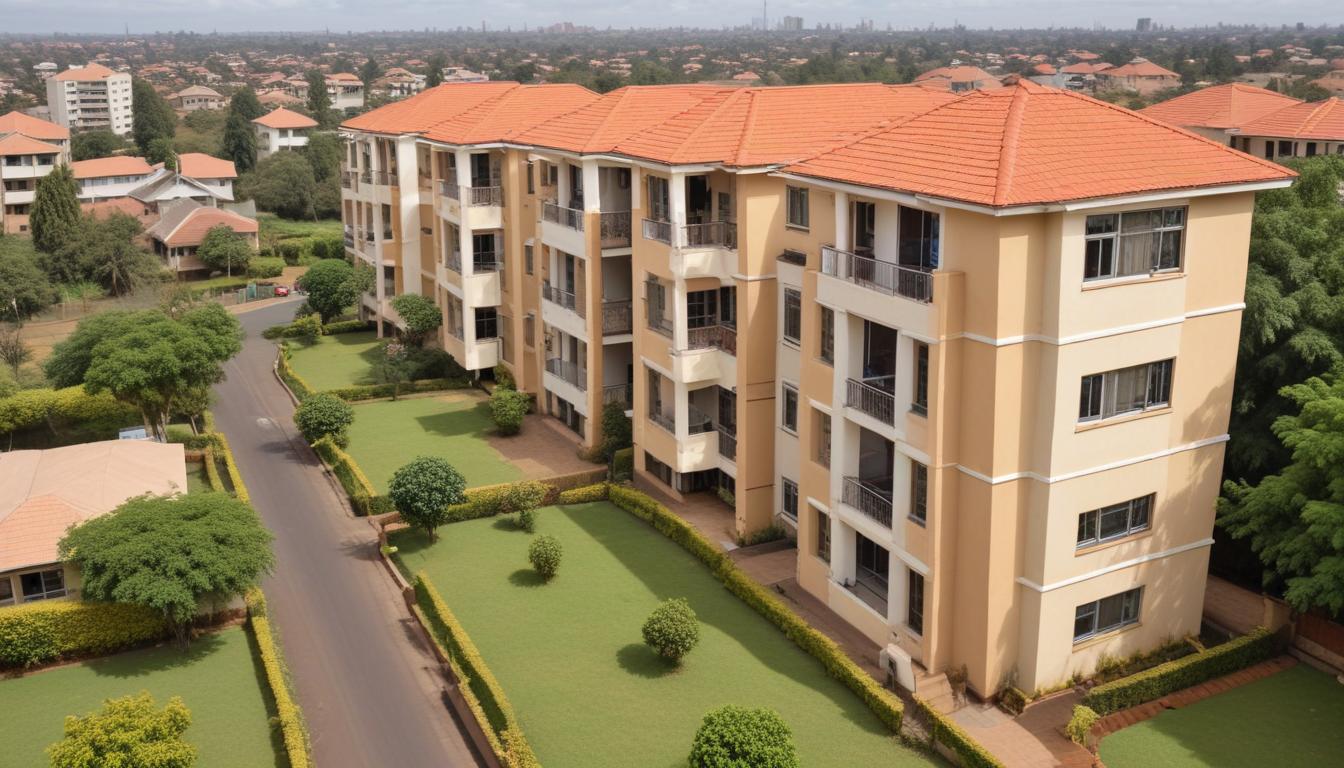
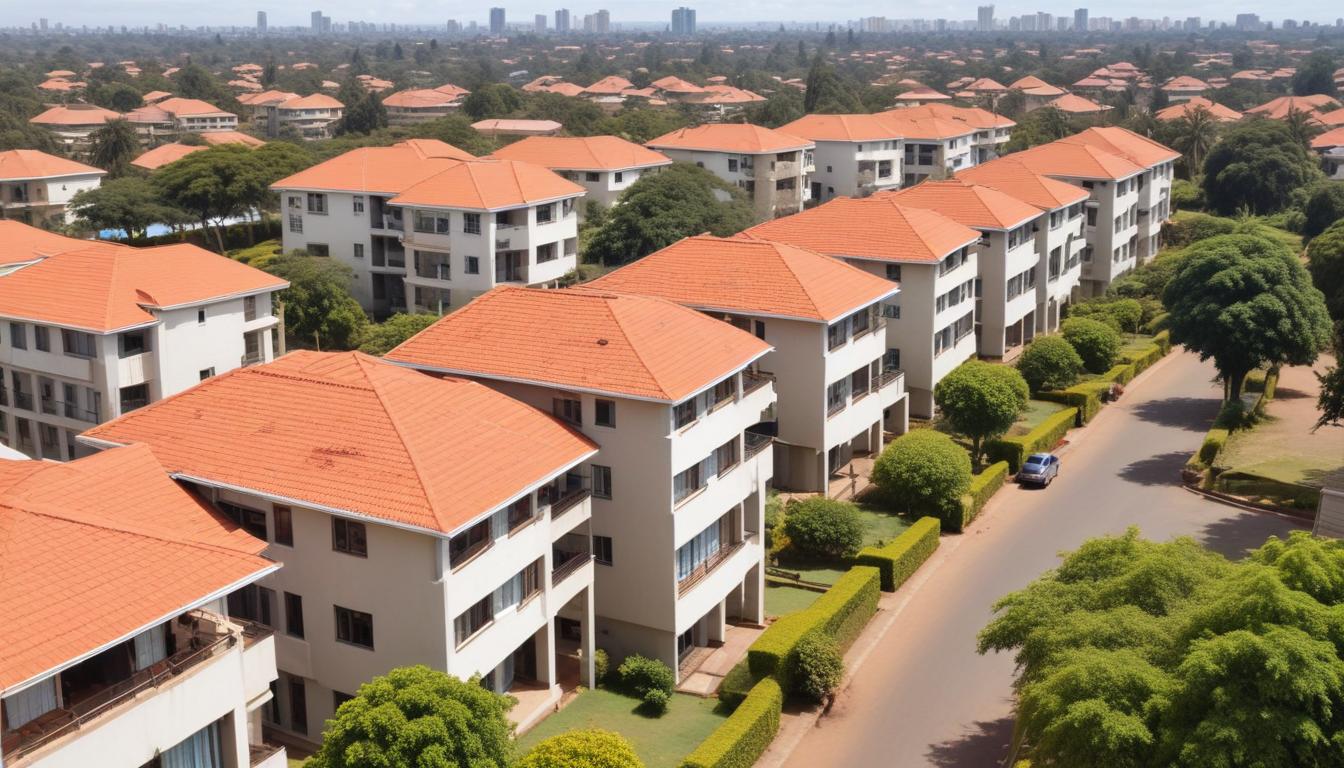
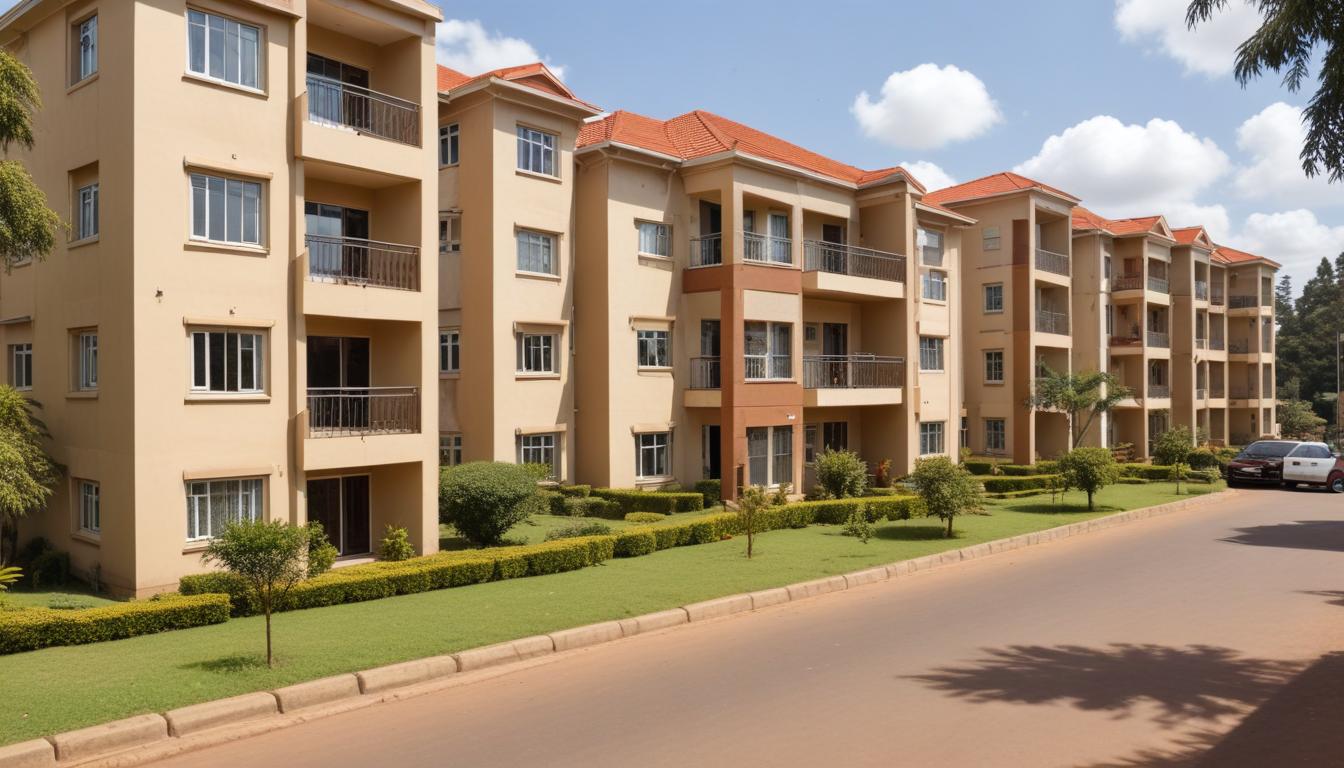
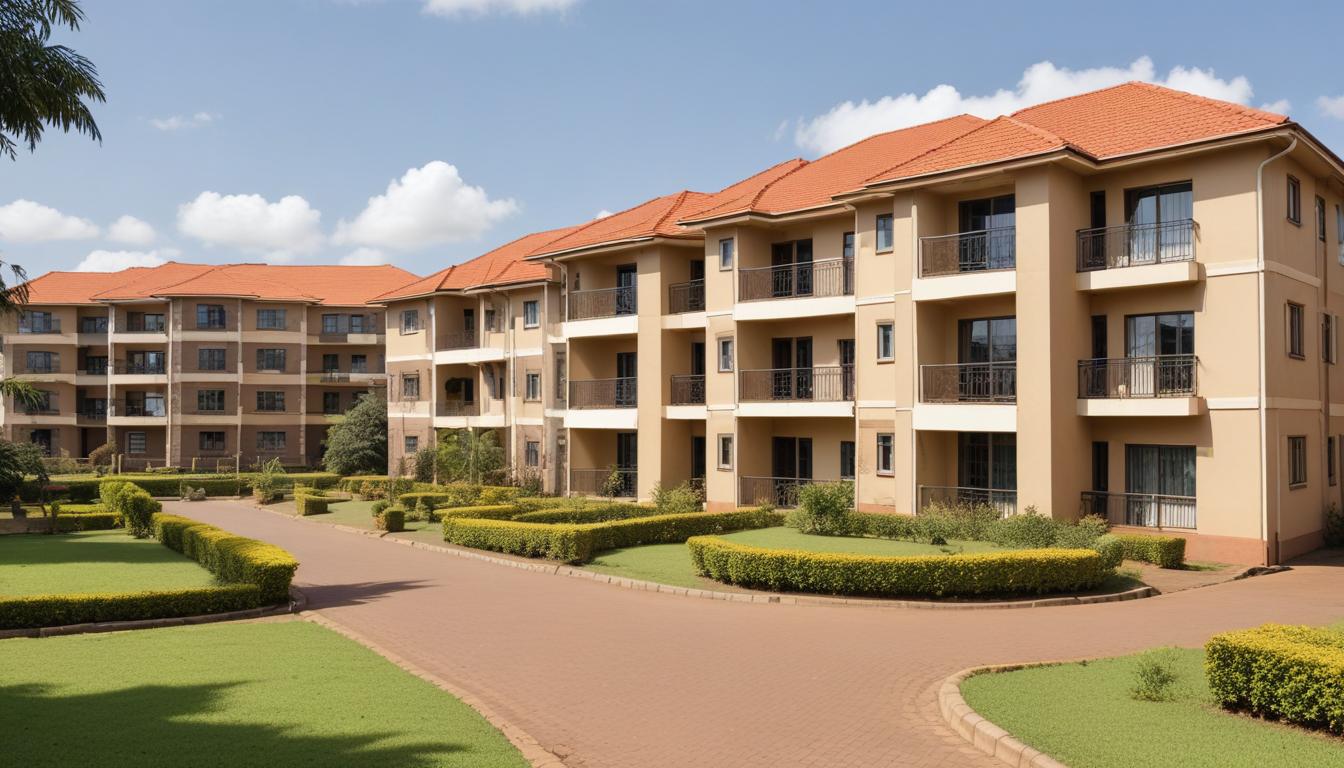
The Nairobi property market has undergone a quiet but significant shift. Investors who spent the past decade chasing capital gains are now scrutinising rental yields with an intensity previously reserved for land auctions along the Southern Bypass.
The numbers tell a sobering story. Properties in Westlands and Lavington—once considered gold-standard appreciation bets—now deliver gross yields between 3.5% and 5%, according to recent market surveys. A KES 50 million townhouse on Riverside Drive might generate KES 150,000 monthly rent; a KES 35 million apartment in Kilimani around KES 130,000. After accounting for rates, maintenance, and vacancy periods, net yields often hover near 2–3%—barely outpacing inflation.
The picture shifts dramatically in emerging corridors. Ruaka and Syokimau, where average property values sit between KES 8–12 million, command rental yields of 6–8% gross. A KES 10 million three-bed apartment in Ruaka might fetch KES 65,000–75,000 monthly, delivering returns that make spreadsheets look respectable again. The trade-off: liquidity and tenant pool depth remain tighter than in established suburbs.
Kileleshwa and Kilimani present a middle ground. With properties averaging KES 12–18 million and gross yields between 4.5–6%, these neighbourhoods continue attracting both owner-occupiers and yield-conscious investors. The demographic pull—young professionals working in Nairobi's CBD and tech hubs around Ikoyi and Westlands—ensures relatively stable tenant demand.
Smart landlords are adapting their strategy. Rather than viewing properties as appreciation vehicles, many now apply commercial real estate logic: calculate net yield, factor in 10% annual vacancy, budget KES 500,000–1 million annually for maintenance, and reassess. Some are refinancing to reduce leverage costs. Others are subdividing larger units in mixed-income zones—renting out bedsitters alongside family units maximises unit yield, though operational complexity rises.
Location remains non-negotiable. A property 500 metres off Gitanga Road in Kilimani rents faster than one tucked in a parallel estate. Proximity to transport corridors, shopping (think Nextgen Mall in Kilimani or Junction in Westlands), and employment clusters directly influences both rental demand and price stability.
The broader lesson: Nairobi's property investment story has matured. The era of effortless double-digit appreciation has faded. Today's winners are investors who treat rental property as a yield-generating business—not a lottery ticket—and who locate strategically within their target yield band.
This article was compiled by AI from the sources linked above and screened before publishing. See our editorial standards.
How does this story make you feel?
Spread the word
About this article
Published by The Daily Nairobi
Daily brief
Free, in your inbox before 7am. Weekdays.
More in Property