Affordable Housing Yields Climb as Investors Find Returns Beyond Westlands
New data shows middle-income housing projects are delivering competitive annual returns, reshaping where Nairobi investors are placing capital.
New data shows middle-income housing projects are delivering competitive annual returns, reshaping where Nairobi investors are placing capital.

For years, Nairobi's investment narrative has centred on trophy penthouses in Westlands and sprawling plots in Kileleshwa. But a quiet shift is underway. Recent performance data from affordable and social housing schemes suggests yields that rival—and sometimes exceed—traditional luxury segments, drawing a fresh cohort of institutional and retail investors away from the city's established premium zones.
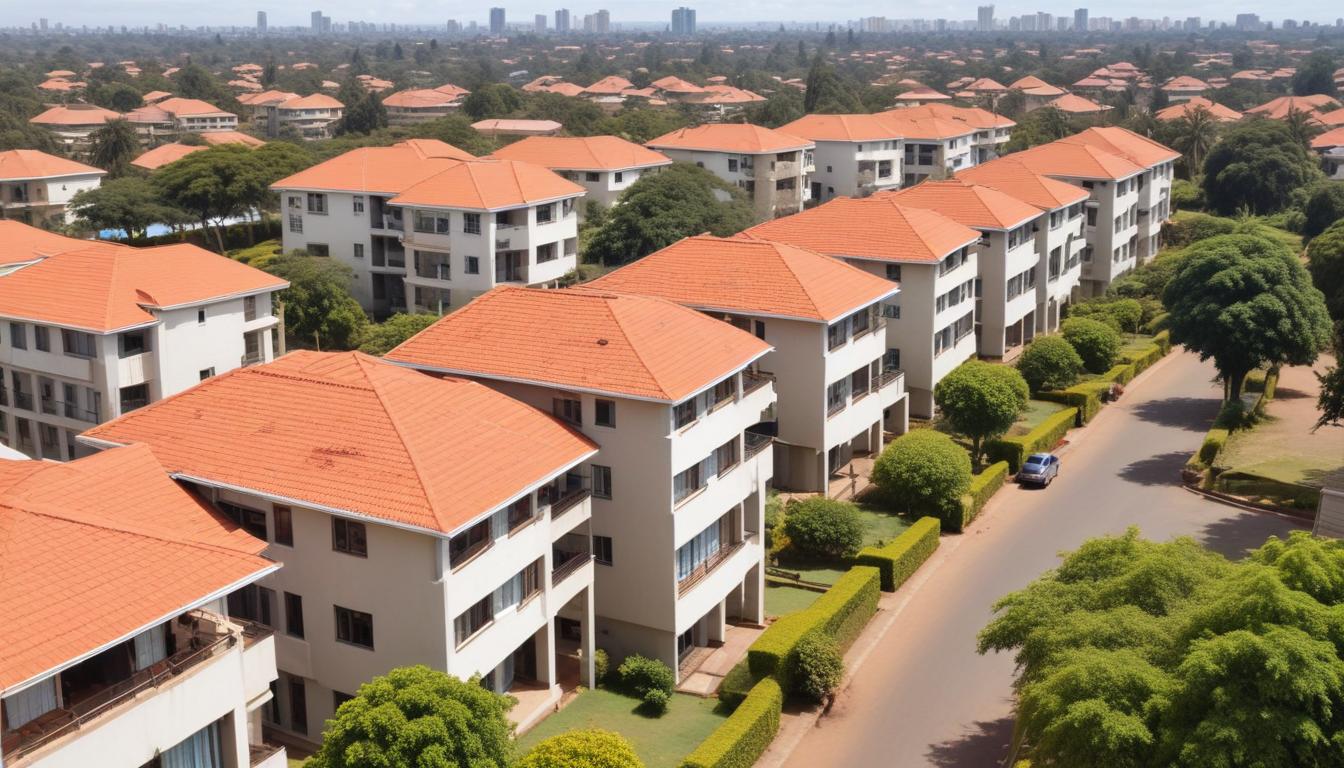
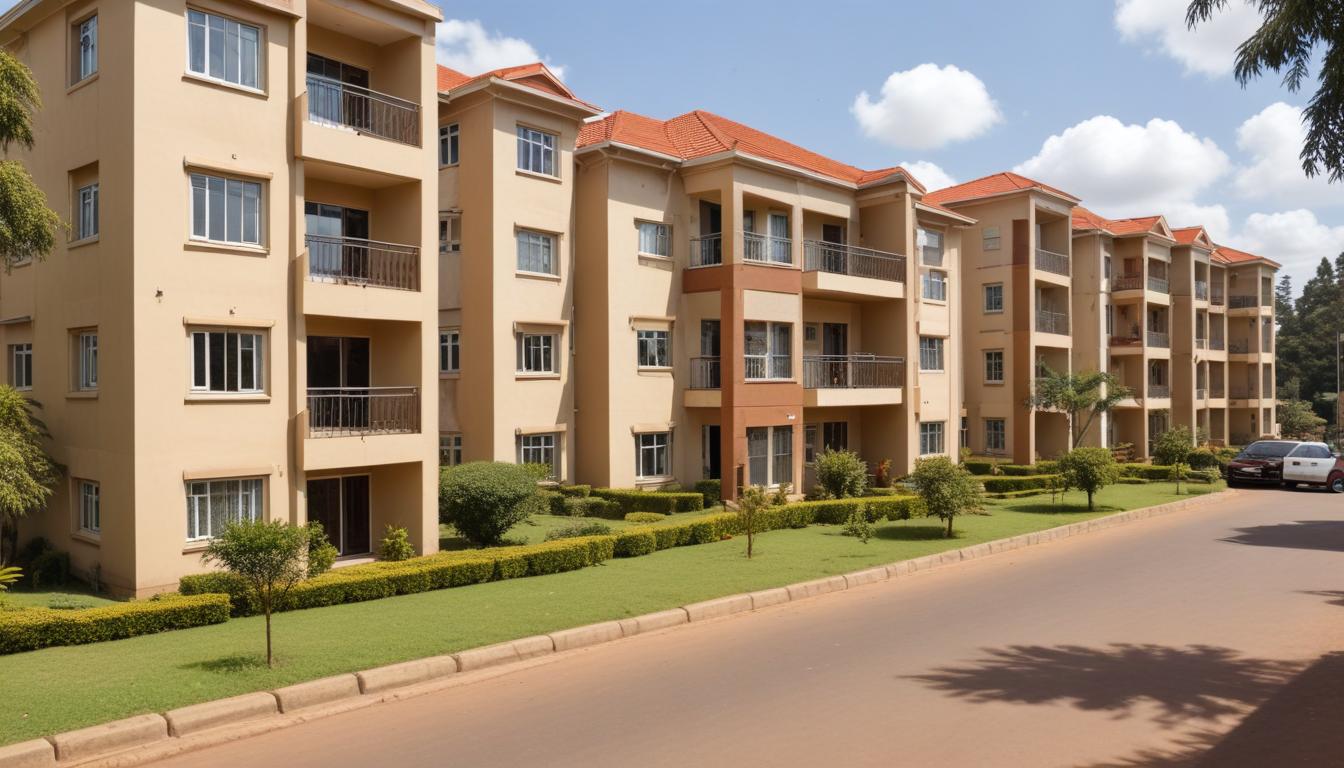
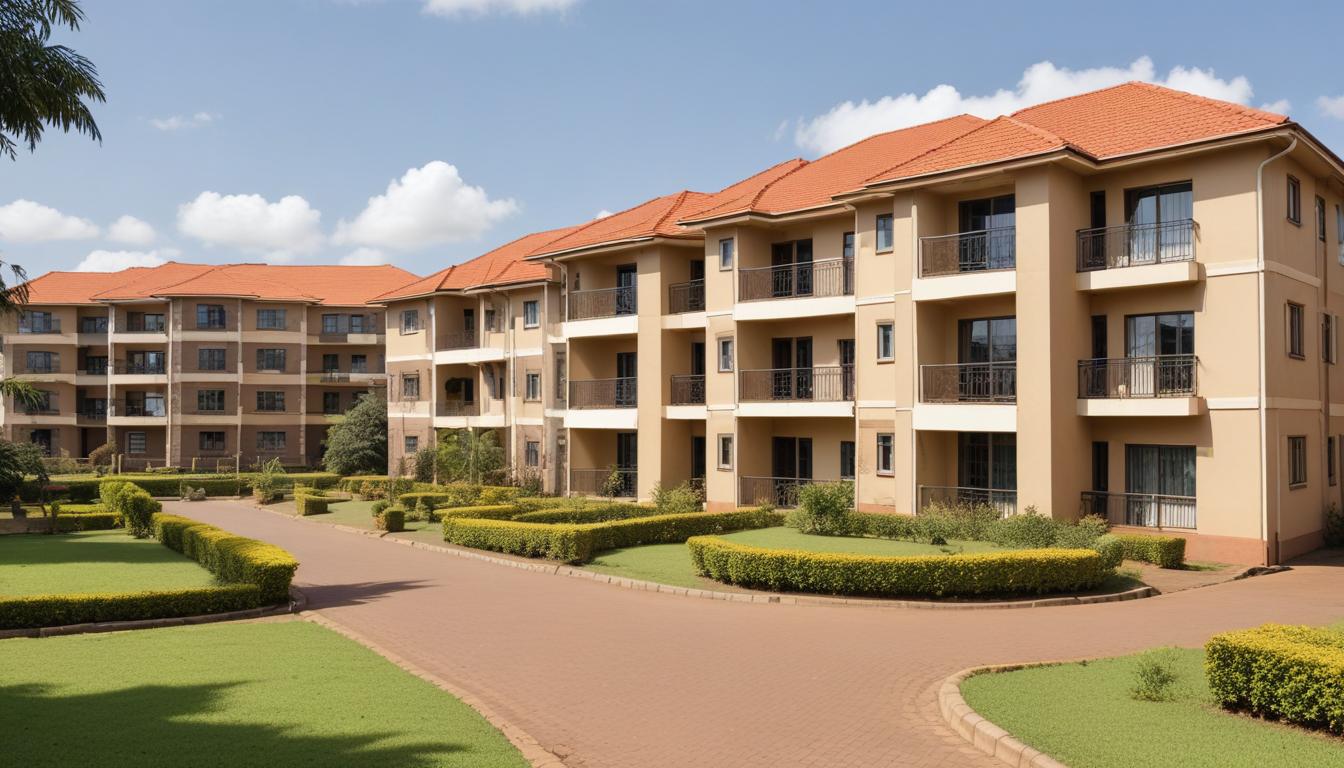
The numbers tell a compelling story. Mid-income housing projects in growth corridors like Ruaka and Syokimau are reporting gross rental yields between 7 and 9 percent annually, compared to 4–6 percent typical of Westlands apartments trading at KES 20–30 million. A two-bedroom unit in a regulated middle-income development near the Ruaka-Limuru corridor, priced around KES 6–8 million, is now leasing for KES 45,000–55,000 monthly, translating to consistent returns that appeal to risk-aware investors.
The driver? Policy. Kenya's national affordable housing target—backed by revised building codes and tax incentives for developers—has created a more regulated, transparent ecosystem. Unlike the speculative froth that characterized Kilimani three years ago, these projects operate with clearer occupancy rates and tenant protections, reducing volatility.
"Investors are realizing the math works," said one Nairobi-based property consultant, noting that schemes with 85–90 percent occupancy rates outperform luxury segments where vacancy can spike during economic slowdowns. Projects near transport nodes—the Southern Bypass, Limuru Road—benefit from genuine demand: young professionals, growing families, and diaspora buyers seeking stable income rather than capital appreciation.
The Home for a Home initiative and similar government-backed programs have also legitimized the sector. What was once seen as charitable now reads as disciplined asset allocation. A KES 7 million investment in an accredited affordable housing unit near Syokimau generates roughly KES 600,000 annually—comparable to dividend yields from blue-chip stocks, with tangible real estate backing.
Challenges remain. Financing gaps persist; most projects still rely on individual cash buyers rather than institutional debt. Kileleshwa and Kilimani developments continue attracting speculative capital. Yet momentum is undeniable. For the first time since the market's post-2017 consolidation, affordable housing units are being analyzed alongside Westlands stock in institutional investor portfolios—not as social obligation, but as a yield-bearing asset class.
The city's affordability crisis, paradoxically, has created an investment opportunity. And the numbers, for once, are speaking louder than sentiment.
This article was compiled by AI from the sources linked above and screened before publishing. See our editorial standards.
How does this story make you feel?
Spread the word
About this article
Published by The Daily Nairobi
Daily brief
Free, in your inbox before 7am. Weekdays.
More in Property