Nairobi's property market is sending contradictory signals. Land sits unsold despite aggressive clearance campaigns, yet residential prices continue their upward trajectory. For buyers navigating this terrain in 2026, understanding what's really driving costs has become essential.
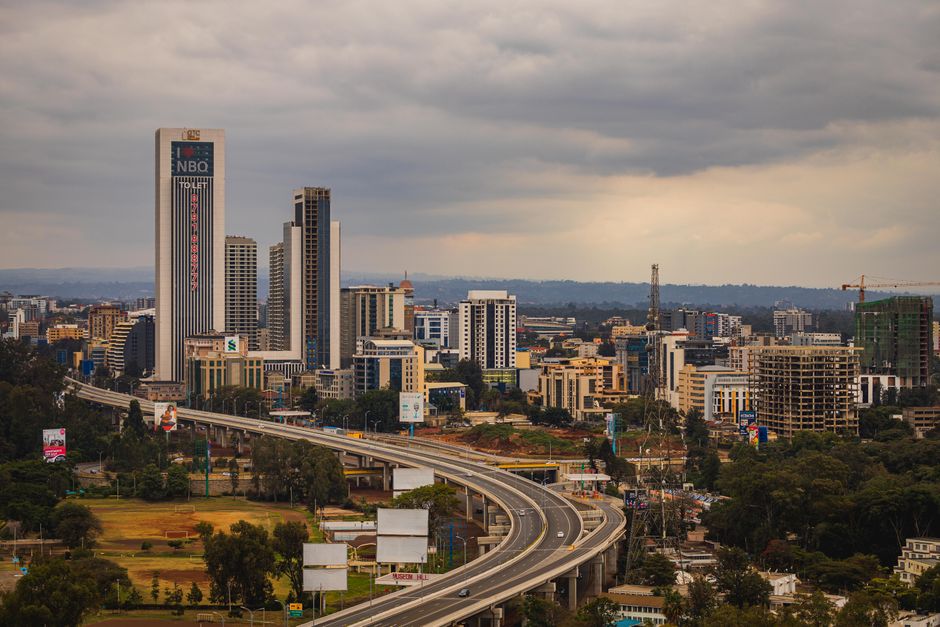
Three forces are reshaping the market. First, infrastructure investment is creating new value corridors. The expansion of arterial roads toward Syokimau and Ruaka has triggered a cascade of development—what once felt like a commute is now a 25-minute journey to the CBD. This has lifted property values in previously overlooked areas by 18-22 percent annually, according to recent market surveys. Simultaneously, established enclaves like Westlands and Lavington maintain their premium positioning, with properties commanding KES 25-40 million for comparable units, driven by persistent demand from multinational executives and established business families.
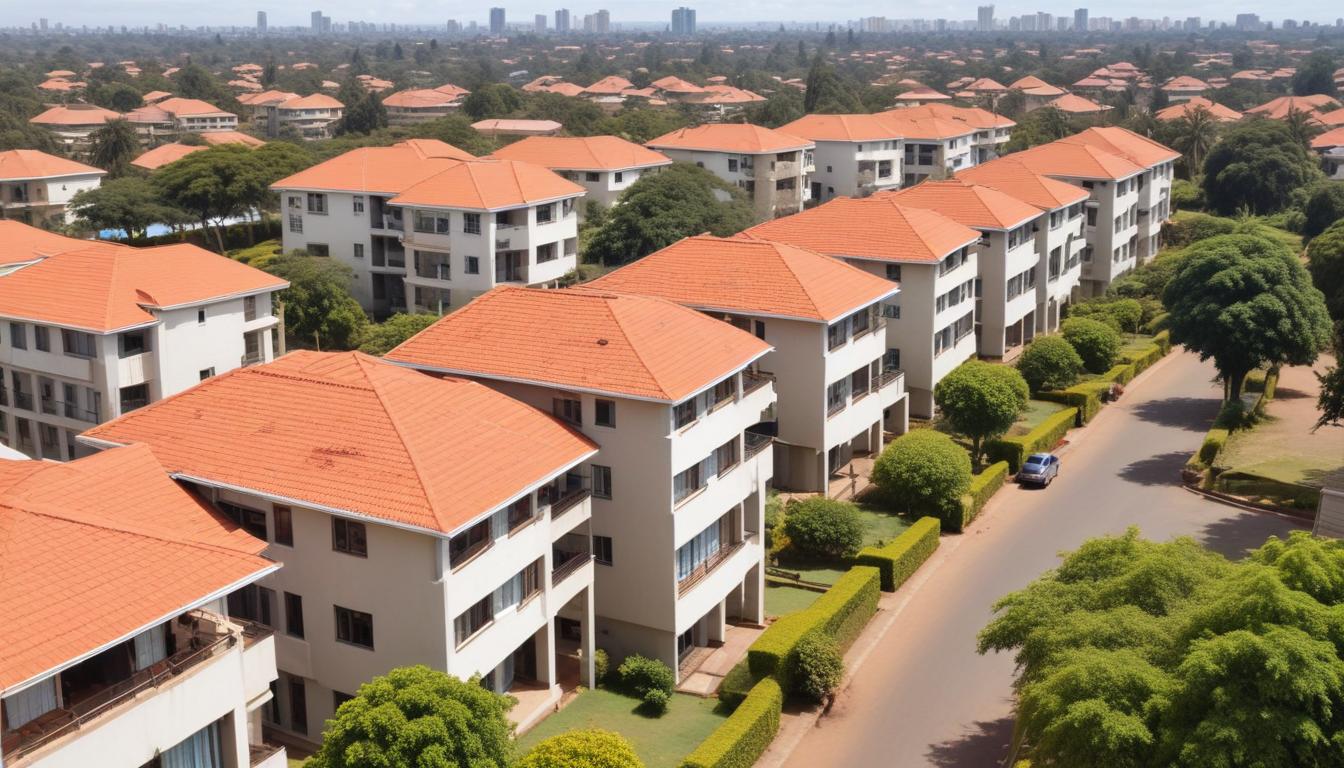
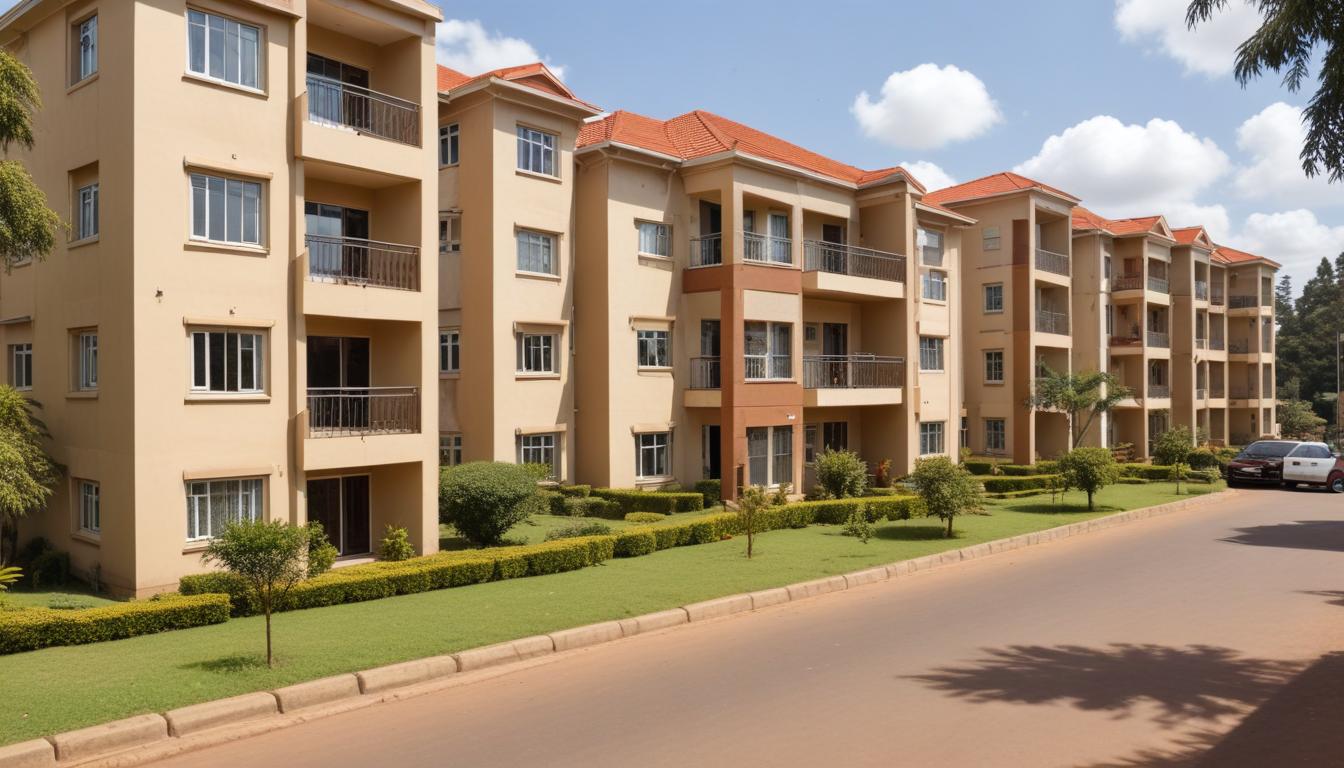
Second, construction costs and imported materials have become the hidden hand behind price inflation. Steel, cement, and finishing materials remain expensive due to currency fluctuations and supply chain constraints. Developers are passing these costs to buyers, which means a three-bedroom unit in Kileleshwa or Kilimani—historically the middle-ground neighbourhoods—now regularly breaches KES 18-22 million.
Third, credit accessibility matters more than headline prices. Banks have tightened lending criteria following the recent liquidity concerns, and mortgage approval timelines have lengthened. This has compressed the buyer pool, reducing competition and allowing sellers to hold firm on pricing. First-time buyers relying on 80 percent LTV financing are discovering that their purchasing power has shrunk even as salaries have remained flat.
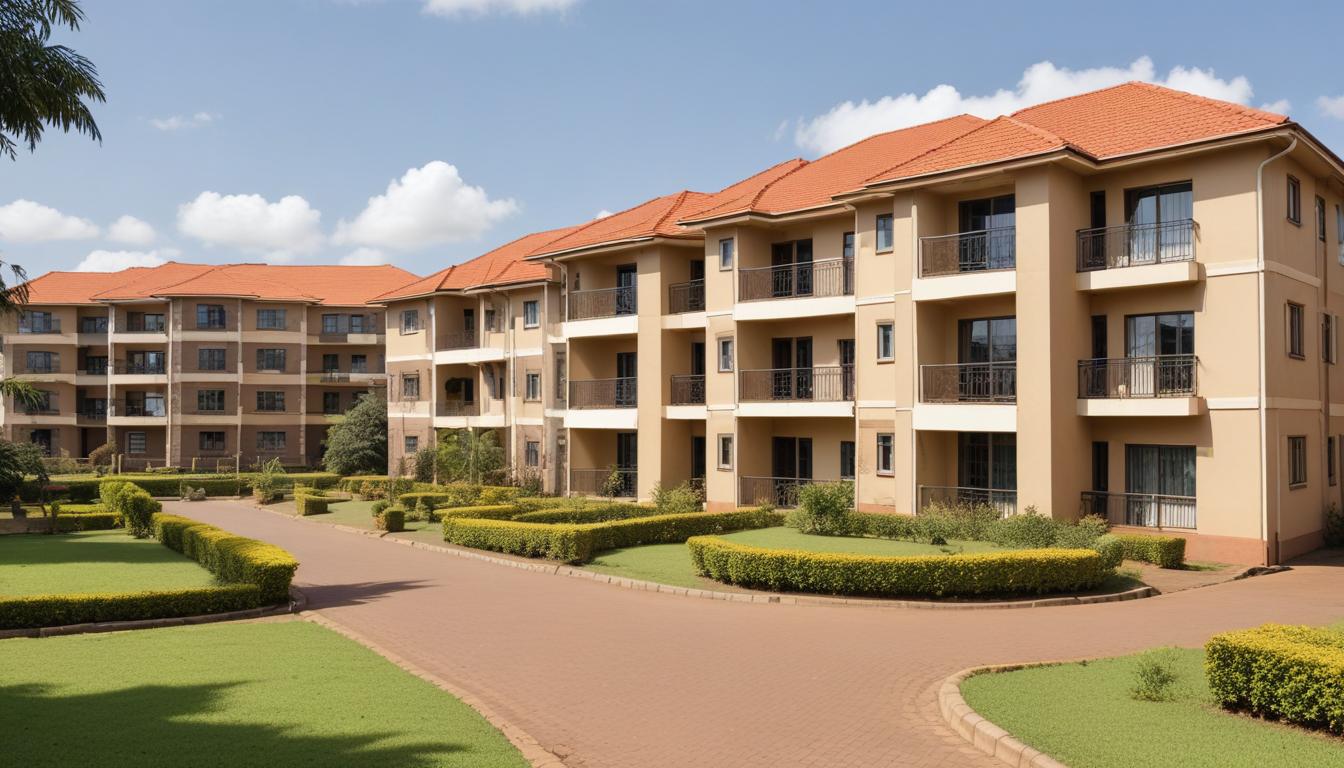
What should buyers know right now? First, the growth corridors—Ruaka, Syokimau, parts of Rongai—remain undervalued relative to their trajectory, but require patience and faith in infrastructure completion. Second, middle-market neighbourhoods like Kilimani and Kileleshwa are facing affordability headwinds; buyers in this segment should expect to stretch budgets or compromise on size. Third, the premium zones (Westlands, Lavington, Runda) have become quasi-investments rather than primary residences for many—they're holding value because international and local wealth continues to seek them out.
For the pragmatic buyer in 2026, the message is clear: understand your true borrowing capacity before house-hunting, consider emerging nodes with genuine infrastructure backing, and resist the temptation to chase prestige neighbourhoods unless you can pay cash or secure pre-approval. The market isn't cooling—it's simply reshuffling who can afford what, and where.
This article was compiled by AI from the sources linked above and screened before publishing. See our editorial standards.