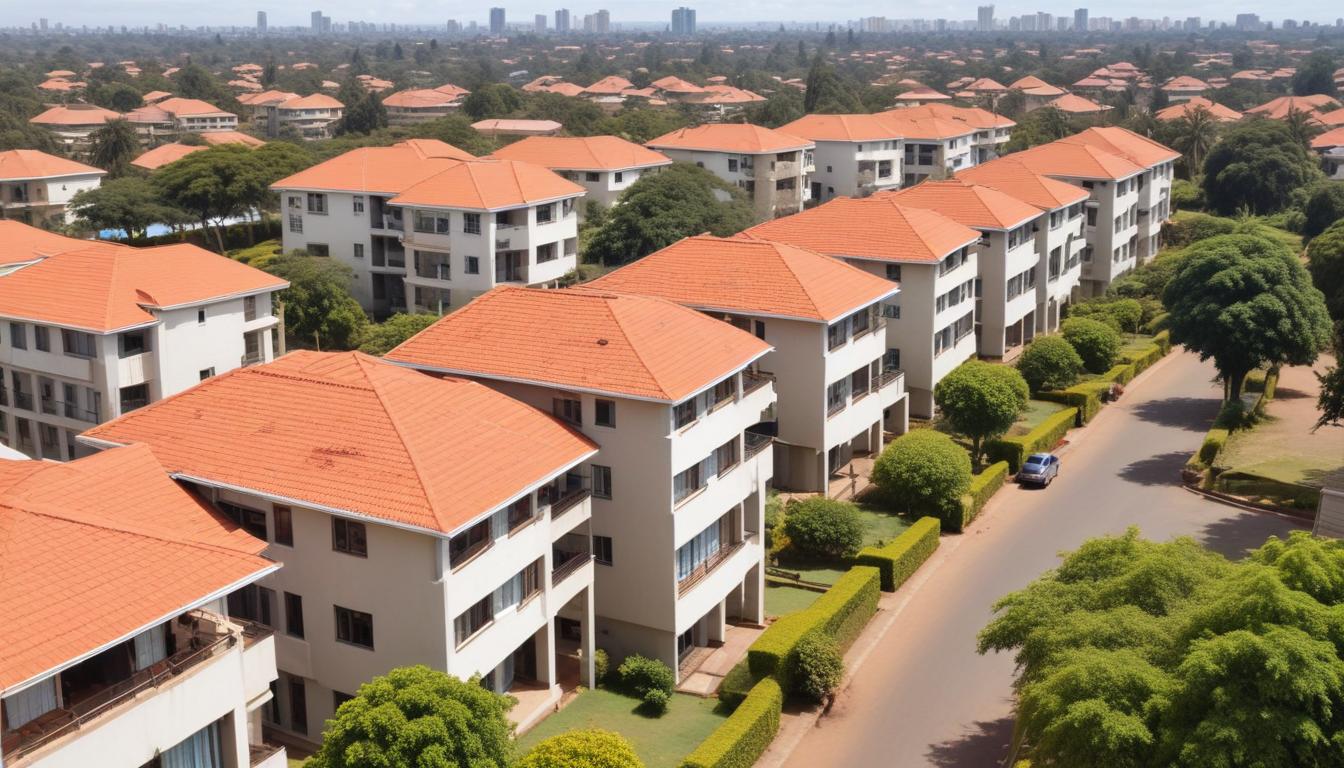
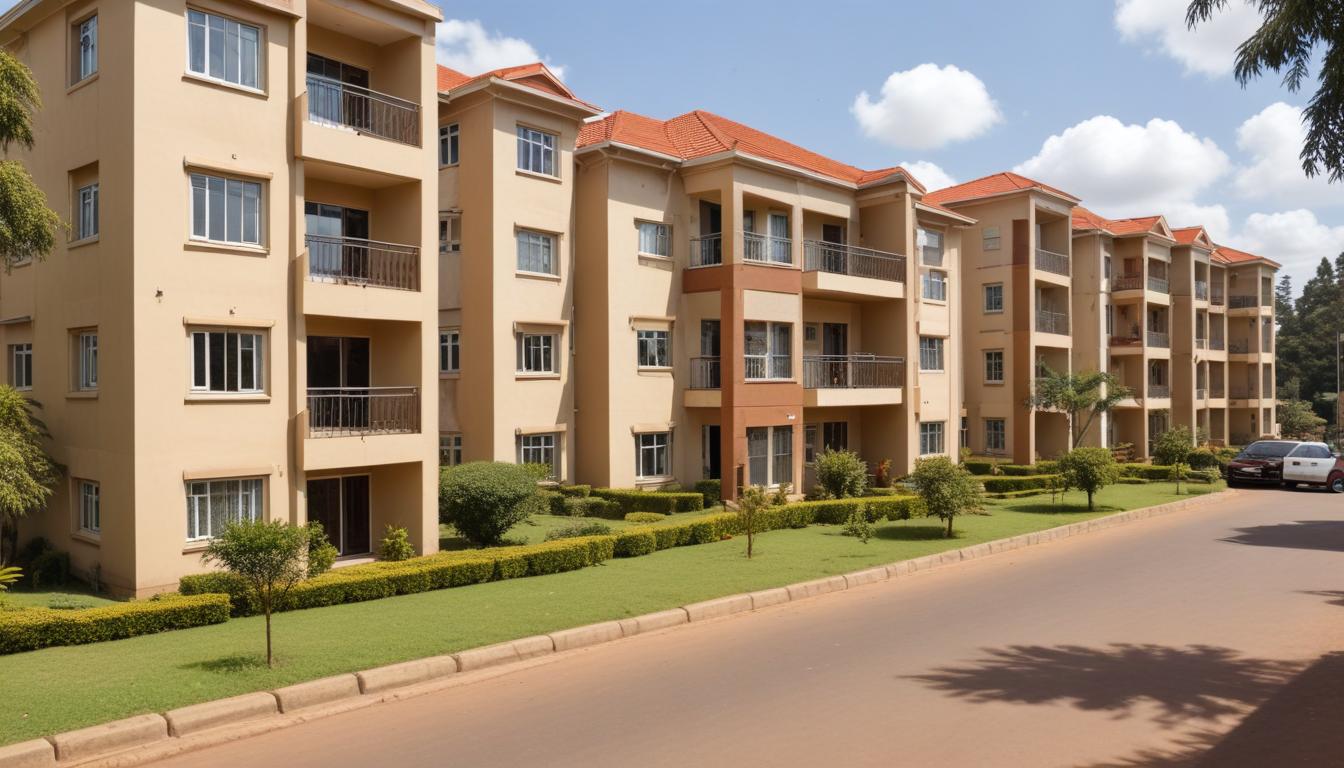
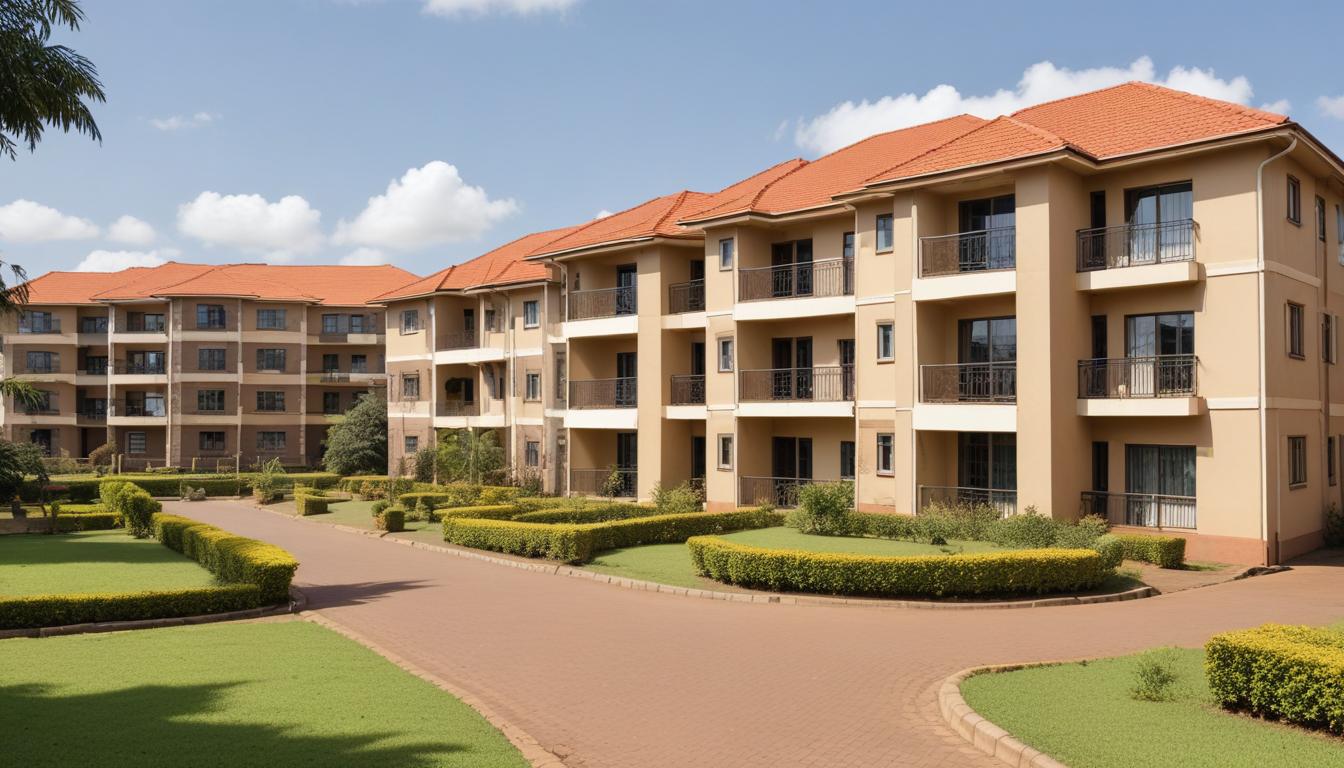
For decades, Westlands and Lavington have commanded Nairobi's luxury property narrative. But a subtle shift is underway in the real estate corridors of the capital: discerning buyers and institutional investors are increasingly turning their attention to Kilimani, a neighbourhood that has quietly evolved from residential afterthought into one of East Africa's most compelling investment hotspots.
The numbers tell a compelling story. While Westlands properties hover around KES 25-35 million per unit, comparable Kilimani residences—often with superior finishes and larger plots—are commanding KES 18-24 million. For investors accustomed to Nairobi's average of KES 15 million, the margin is significant. More importantly, year-on-year appreciation in Kilimani has outpaced traditional strongholds by nearly 8%, according to recent market analysis from property circles tracking the corridor.
The appeal extends beyond spreadsheets. Kilimani's proximity to Museum Hill, the Karen Blixen Museum, and the Nairobi National Park creates an integrated lifestyle ecosystem that neither Westlands' commercial density nor Lavington's exclusivity quite matches. Kikuyu Avenue and the surrounding tree-canopied streets have attracted boutique restaurants, wellness centres, and art galleries that cater to Nairobi's increasingly cosmopolitan professional class. This cultural magnetism has become a decisive factor for expatriate families and returning diaspora seeking both investment security and quality of life.
Infrastructure developments have accelerated the narrative. Improved road networks connecting Kilimani to Westlands and the CBD, combined with enhanced security presence and reliable utility provisioning, have eliminated the accessibility concerns that once relegated the neighbourhood to second-tier status. Unlike Ruaka and Syokimau—the traditional growth corridors—Kilimani offers established social infrastructure: established schools, medical facilities, and banking services.
Property developers have taken notice. Several mid-to-premium residential projects currently underway prioritise sustainable design and mixed-use functionality, targeting the demographic that views property not merely as asset accumulation but as lifestyle investment. The absence of the sprawling commercial towers that define Westlands means Kilimani maintains residential character while capturing appreciation dynamics typically associated with urban intensification.
Market observers note that Kilimani's emergence reflects a broader recalibration in Nairobi's luxury landscape. As climate consciousness, remote work normalisation, and desire for community-oriented living reshape preferences, neighbourhoods offering balance—rather than pure prestige—are attracting capital previously locked into traditional bastions. For investors timing the market, Kilimani represents the intersection of established desirability and genuine growth potential, making it the decade's most calculated bet in Nairobi's prestige property chess game.
This article was compiled by AI from the sources linked above and screened before publishing. See our editorial standards.