New Nairobi Developments Show Rising Investor Yields as Approval Pipeline Accelerates
With construction permits up 34% this year, developers and equity holders are seeing tangible returns—but location and timing remain everything.
With construction permits up 34% this year, developers and equity holders are seeing tangible returns—but location and timing remain everything.

Nairobi's property investment landscape is shifting decisively in favour of new-build players. Recent data from the County Planning Office shows that residential and mixed-use project approvals have climbed to levels not seen since 2021, with 127 major developments greenlit in the first half of 2026 alone. For investors watching their portfolios, the message is clear: the numbers are moving in the right direction.
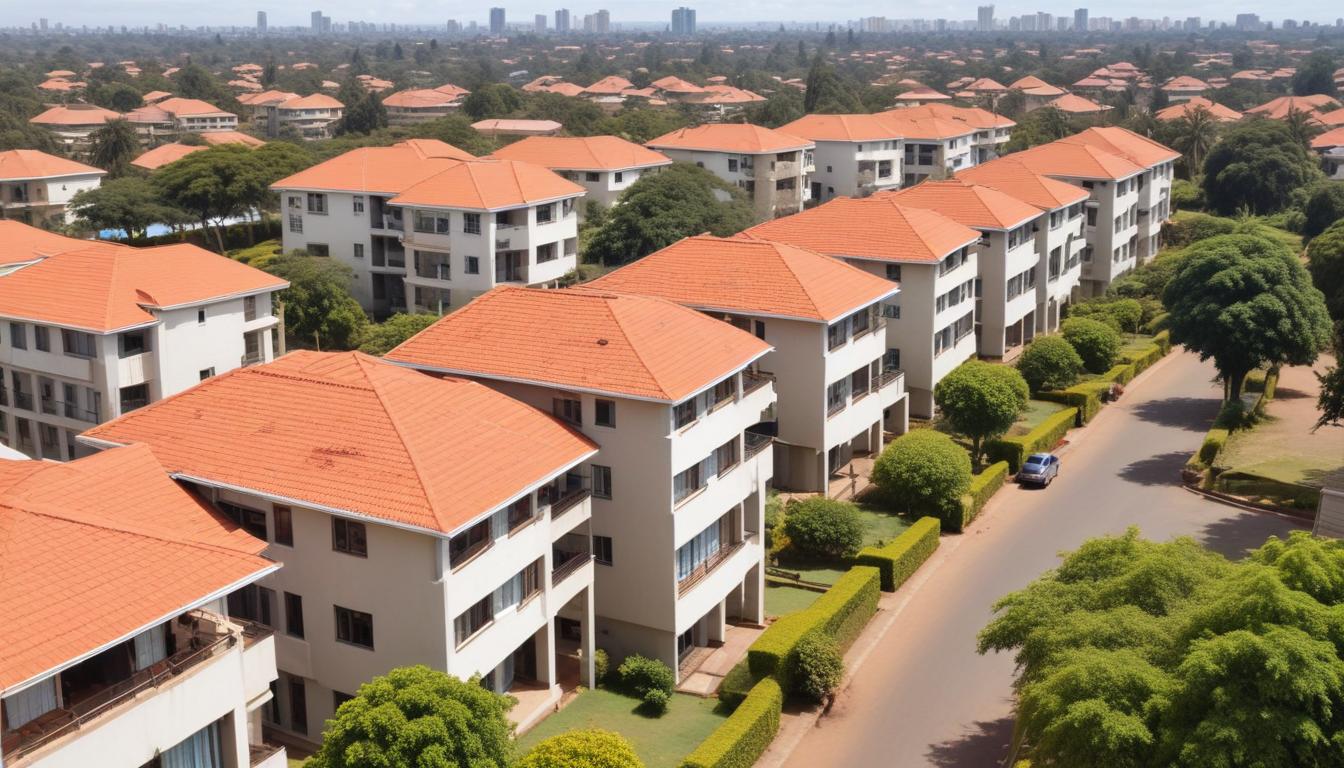
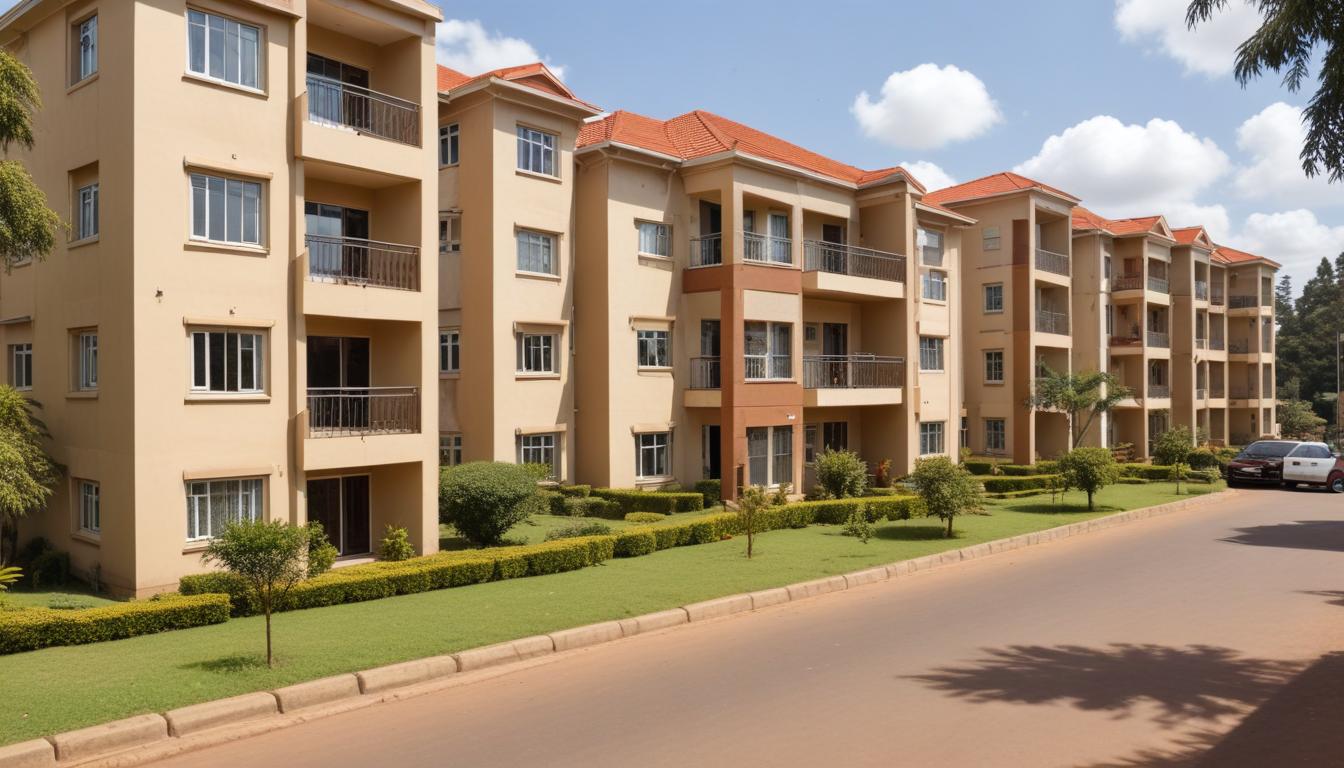
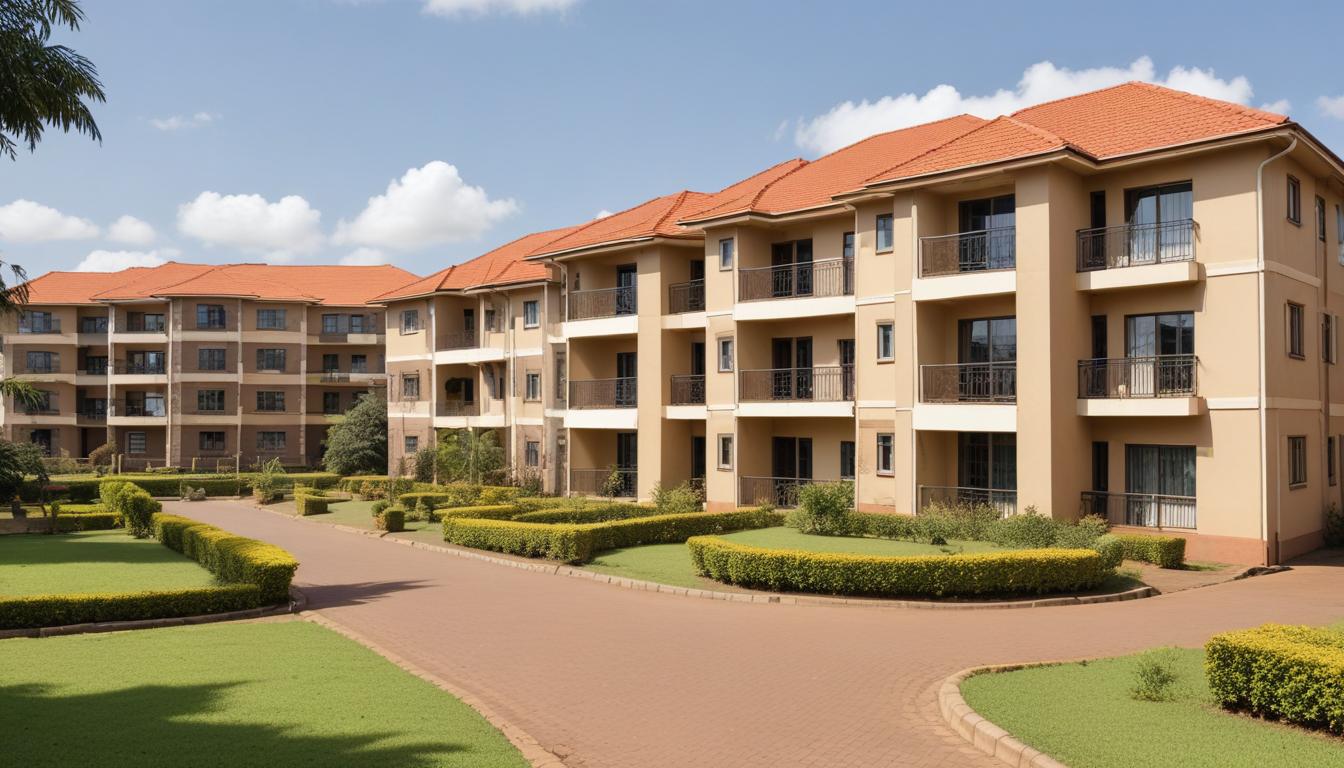
The Ruaka-Limuru corridor has emerged as the standout performer. A mid-rise residential cluster near the Limuru Country Club—developed by a consortium that broke ground in late 2023—is now reporting 78% unit uptake at an average of KES 18.2 million per three-bedroom unit. Comparable yields sit around 6.8% annually when factoring in rental income, a jump from the 4.2% benchmark seen in similar Nairobi stock two years ago. These aren't headline-grabbing figures, but they're consistent, and consistency matters to institutional money.
Kileleshwa and Kilimani continue to absorb construction permits at pace, though with a notable shift toward sectional title apartments rather than standalone villas. Several new-approval developments along Gitanga Road and near the Nairobi School are targeting the KES 12–16 million bracket, a sweet spot for first-time and upgrading buyers. Early sales data from two recently completed blocks suggest completion-to-let timelines of 60–90 days, compared to an average of 120 days three years ago—a meaningful improvement in cash-flow velocity for investors.
The approval acceleration is being driven partly by streamlined County processes and the completion of infrastructure on major corridors. Syokimau, long positioned as a growth frontier, is now seeing tangible momentum: the newly approved Outer Ring Road extension has reduced commute times to the CBD by roughly 18 minutes, and this is translating into faster absorption rates for new units. Several KES 8–11 million developments in the area are reporting pre-launch interest levels that had stalled previously.
Not all locations are benefiting equally. Westlands and Lavington remain fundamentally supply-constrained; new approvals there are sparse, and existing stock commands premium pricing. Average yields in these neighbourhoods hover around 3.5–4.1%, reflecting scarcity value rather than construction velocity.
For equity holders and institutional investors, the 2026 approvals pipeline suggests a meaningful recalibration of risk-adjusted returns across Nairobi's tiers. Growth corridors and emerging zones are finally delivering on their long-standing promise—but only to those willing to commit capital and monitor execution closely.
This article was compiled by AI from the sources linked above and screened before publishing. See our editorial standards.
How does this story make you feel?
Spread the word
About this article
Published by The Daily Nairobi
Daily brief
Free, in your inbox before 7am. Weekdays.
More in Property