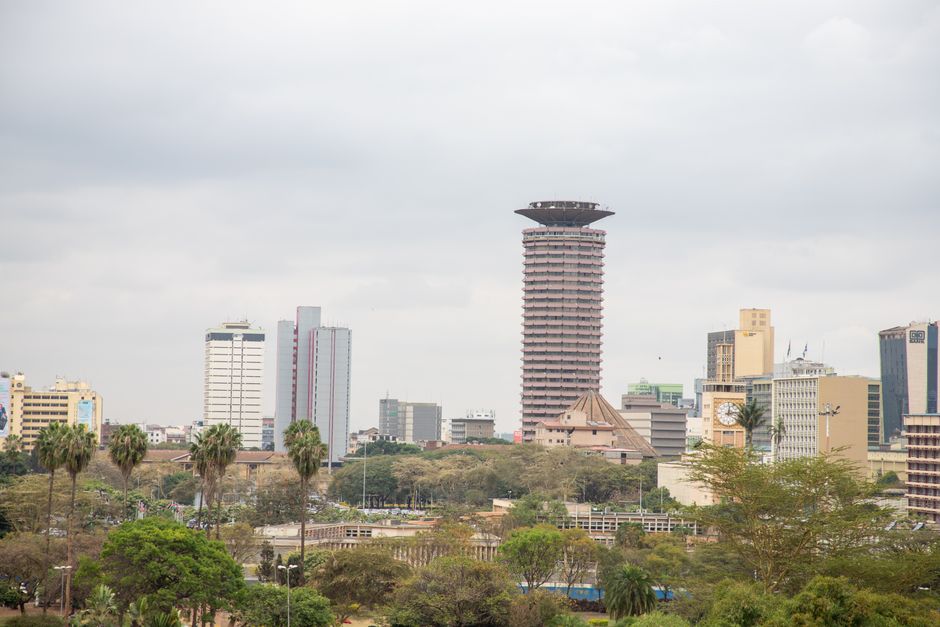
For years, Nairobi's property conversation has orbited the same expensive postcodes: Westlands, Lavington, Kilimani. But a quiet shift is reshaping the market. Kasarani, long dismissed as peripheral, is now attracting serious capital—and it's rewriting what affordable housing means in East Africa's most dynamic city.
The numbers tell the story. Properties in Kasarani's core zones—particularly along the Thika Road corridor near the Nairobi National Park boundary and stretching towards Ruai—are trading at KES 8M to 12M for a three-bedroom apartment, nearly 40 percent below the city average of KES 15M. Yet transaction velocity here has tripled in 24 months, according to property records. Developers aren't building luxury towers; they're building density with intention.
What's driving this? Infrastructure. The completion of the Southern Bypass, improved Thika Road access, and ongoing metro rail planning have fundamentally altered Kasarani's geography. Commuters can now reach the CBD in under 40 minutes. For young professionals, growing families, and first-time buyers priced out of Kileleshwa and Kilimani, this equation suddenly works.
The policy backdrop matters too. Kenya's social housing agenda—particularly the government's push to unlock affordable units through partnerships with private developers—has made Kasarani a natural laboratory. The area's larger land parcels and lower acquisition costs make pencil-and-paper economics viable for mid-rise, mixed-tenure projects that wouldn't survive in premium zones.
Real estate firms are taking notice. Several major developers have quietly assembled significant landholdings along the Kasarani-Ruai stretch, betting on zone densification over the next five to seven years. The pipeline includes mixed-income estates, rental apartments, and shared-ownership schemes targeting the KES 7M to 15M bracket—the demographic sweet spot that Nairobi has historically underserved.
The wildcard is retail and amenity infrastructure. Kasarani's weakness has always been lifestyle—the absence of the cafés, bookshops, and gym chains that anchor premium neighbourhoods. But emerging mixed-use projects are beginning to address this gap, creating the social infrastructure that makes a neighbourhood feel like a destination rather than a dormitory.
For investors hunting value without sacrificing fundamentals, Kasarani represents a rare window. Location-adjacent to growth corridors like Ruaka and Syokimau, but nearer the city core, the zone offers upside without the speculation tax that has hollowed out central Nairobi's returns. As housing policy and infrastructure finally converge, Kasarani's time may finally have arrived.
This article was compiled by AI and screened before publishing. See our editorial standards.