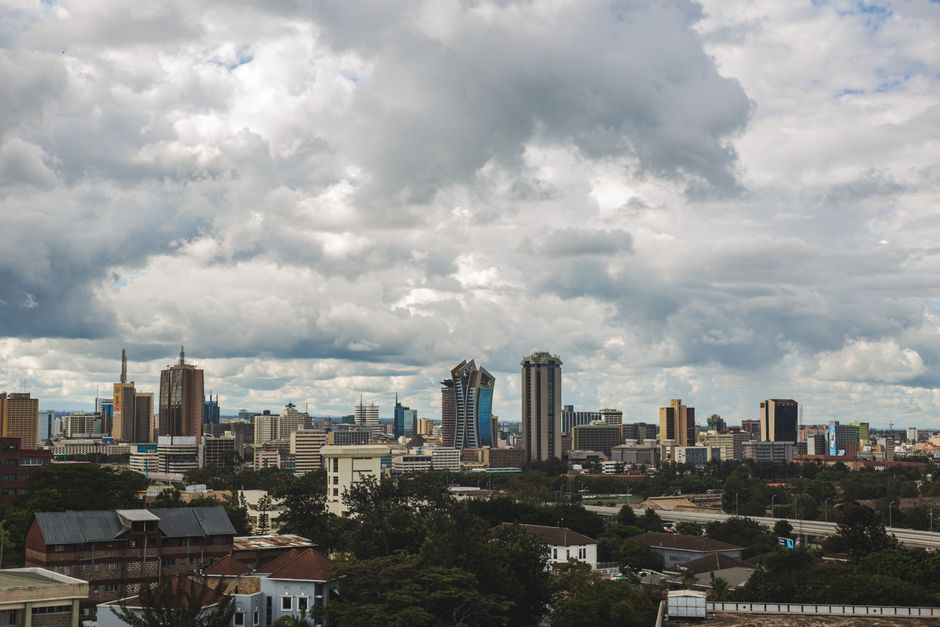
Nairobi's Infrastructure Boom Reshapes Housing Costs, Reveals Smart Buyer Strategy
Infrastructure projects and corporate relocation are reshaping the market: here's what savvy purchasers need to know before committing to Nairobi property in 2026.
Infrastructure projects and corporate relocation are reshaping the market: here's what savvy purchasers need to know before committing to Nairobi property in 2026.
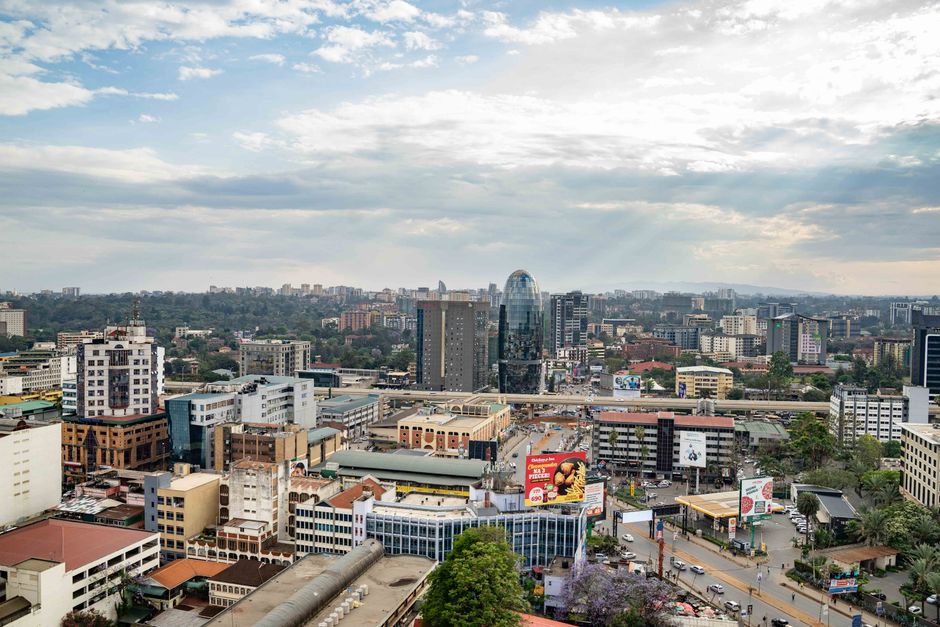
Nairobi's property market is in flux. While the city average hovers around KES 15 million for a decent residential unit, the forces reshaping affordability are less about speculation and more about infrastructure and regional shifts that buyers must understand before signing cheques.
The Nairobi-Mombasa Standard Gauge Railway expansion and ongoing improvements to the Southern Bypass have quietly triggered a migration eastward. Ruaka and Syokimau, once considered fringe developments, are now attracting young professionals and families seeking space without the premium attached to Westlands or Lavington. A three-bedroom in Ruaka now trades around KES 12–14 million—a meaningful difference for first-time buyers. The trade-off? Longer commutes to Upper Hill or the CBD, though improved road networks are shortening travel times monthly.
Meanwhile, traditional strongholds like Kileleshwa and Kilimani remain resilient. These neighbourhoods combine proximity to Nairobi's commercial heartland with established amenities—think proximity to Nairobi Hospital, Karen Blixen Museum, and established schools—justifying their KES 16–18 million baseline. But here's the shift: sellers in these areas are increasingly realistic about pricing. The days of inflated asking prices are fading as foreign investor interest normalizes.
Corporate relocations are another hidden driver. Insurance firms and tech companies moving offices from the CBD to Westlands and Parklands are pulling white-collar workers along, keeping premium neighbourhood prices stable even as broader market sentiment cools. Westlands itself remains Nairobi's most expensive enclave, with properties regularly exceeding KES 25 million, but transaction velocity has slowed—a sign that even wealthy buyers are reconsidering value.
What should buyers do? First, separate hype from fundamentals. Properties with clear road access—particularly along the Southern Bypass and towards Syokimau—offer better long-term appreciation than off-the-beaten-path plots. Second, factor in time cost. A KES 3 million saving in Syokimau evaporates quickly if your daily commute adds three hours. Third, get a proper survey. Land disputes remain common; reputable firms like the Kenya Institute of Surveyors can validate titles before commitment.
The broader truth: Nairobi's housing market is normalizing after years of frothy speculation. That's good news for pragmatic buyers willing to look beyond prestige postcodes. The question isn't whether to buy—it's where, and whether your lifestyle actually justifies the premium.
This article was compiled by AI and screened before publishing. See our editorial standards.
How does this story make you feel?
Spread the word
About this article
Published by The Daily Nairobi
Daily brief
Free, in your inbox before 7am. Weekdays.
More in Property