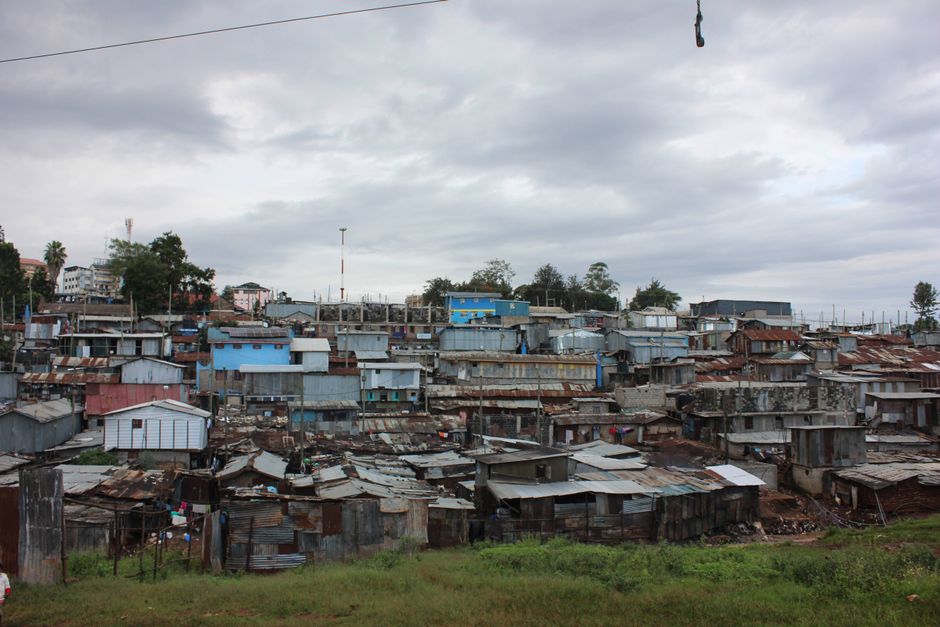
What Nairobi's rental auction data and falling prices are signalling about the vacancy crisis
Declining lease values in Westlands and Kilimani suggest landlords are finally adjusting to market reality—but tenants should move fast.
Declining lease values in Westlands and Kilimani suggest landlords are finally adjusting to market reality—but tenants should move fast.

Listen to this article · 3:58
Nairobi's rental market is sending increasingly urgent signals, and the data is impossible to ignore. Over the past eighteen months, property auction results and lease valuations across premium neighbourhoods have dipped by 8–12 per cent, a shift that contradicts the narrative of sustained growth that dominated the city's real estate discourse through 2024.
The trend is most pronounced in Westlands and Lavington, where annual lease values on three-bedroom apartments have slipped from an average of KES 180,000 to KES 162,000. In Kilimani and Kileleshwa—traditionally absorptive markets for young professionals and expat families—comparable properties now fetch KES 140,000 to KES 155,000, down from KES 165,000 two years ago. Recent auction results at properties near State House Road and along Forest Road reveal landlords accepting longer vacancy periods rather than maintaining asking prices, a reversal of the landlord-favourable conditions that prevailed through 2024.
What's driving the shift? Oversupply in mid-range residential stock, coupled with economic headwinds that have prompted many multinational firms to reduce expatriate postings in Nairobi. Simultaneously, the completion of large residential complexes in Ruaka and Syokimau—growth corridors that now offer comparable finishes at 25–30 per cent discounts—has fundamentally altered tenant behaviour. Rather than compete for premium addresses, renters are increasingly willing to trade proximity to the CBD for affordability and newer infrastructure.
For tenants, the moment is opportune but time-sensitive. Landlords are now negotiating rent reductions, offering two-month grace periods, and—critically—covering agent commissions. Properties advertised on major portals typically remain vacant for 45–60 days, compared with 14–21 days in 2023. This inventory depth gives tenants genuine leverage.
However, the window is closing. Preliminary data suggests that by Q4 2026, as property developers complete outstanding projects and the market recalibrates, landlords will likely stiffen their terms. Additionally, recent Central Bank commentary on interest rates suggests that financing conditions may tighten, potentially pushing demand back toward rental markets as property purchase costs rise.
The practical advice: tenants should view the current softness as cyclical, not structural. Secure a well-located lease on favourable terms now—especially in Kilimani, where auction underperformance signals genuine distress among landlords. Negotiate for twelve-month agreements with built-in flexibility. Avoid Westlands unless you're willing to pay a premium for brand recognition; the value proposition there has deteriorated sharply relative to nearby Kileleshwa.
Nairobi's rental market is recalibrating. Tenants with agency now have a rare advantage. Use it wisely.
This article was compiled by AI and screened before publishing. See our editorial standards.
How does this story make you feel?
Spread the word
About this article
Published by The Daily Nairobi
Daily brief
Free, in your inbox before 7am. Weekdays.
More in Property