Renting vs Buying: Nairobi’s Soaring Costs Outpace Regional Kenyan Cities
Tenants and first-time buyers feel the squeeze as Nairobi’s property prices and rents outstrip Kisumu, Mombasa, and Nakuru.
Tenants and first-time buyers feel the squeeze as Nairobi’s property prices and rents outstrip Kisumu, Mombasa, and Nakuru.
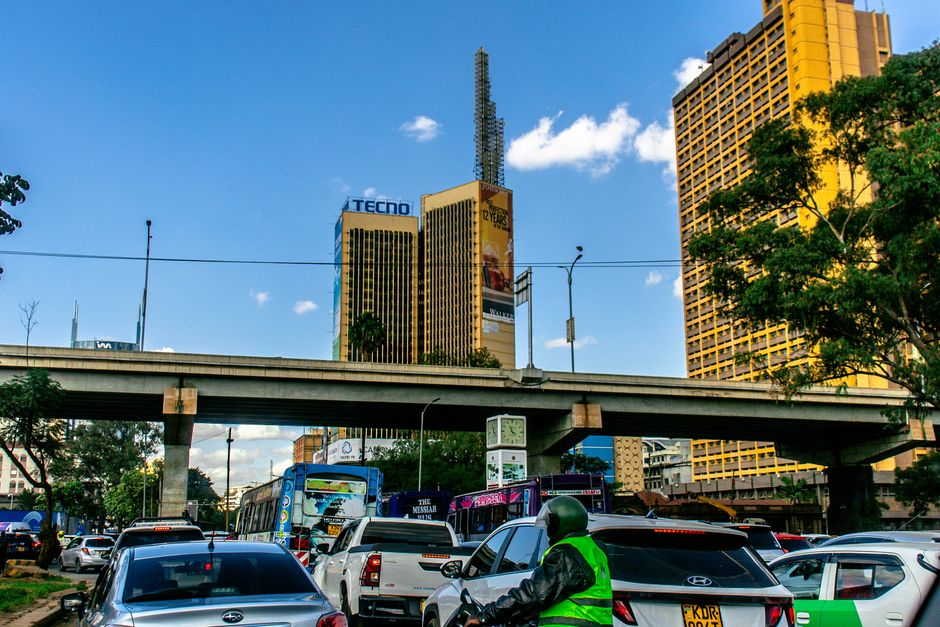
Tenants in Nairobi pay almost twice as much for comparable apartments as their counterparts in Mombasa and Kisumu, new data from HassConsult’s Q2 2026 Property Index reveals — reflecting a growing chasm between the capital’s housing market and Kenya’s regional cities as rent and property values surge far faster in the urban core.
The affordability crisis is worsening just as inflation, rising heatwaves, and increased utility costs tighten household budgets and stoke migration to satellite towns like Syokimau and Ruaka. Developers, agents, and city planners all agree: what’s affordable in Kisumu’s Milimani or Mombasa’s Nyali would barely secure a studio in Nairobi’s sought-after Kileleshwa or Westlands.
On Rhapta Road in Westlands, the average two-bedroom apartment rents for KES 110,000 a month, according to Knight Frank’s June 2026 rental guide, while an owner-occupier would pay approximately KES 23.5 million to purchase the same unit. In striking contrast, Milimani in Kisumu — the city’s most expensive neighbourhood — sees rents hovering around KES 55,000 per month for a similar apartment, and sales prices rarely exceed KES 11 million.
Kenya’s regional hubs demonstrate consistent affordability for middle-income families. In Mombasa, prime Nyali apartments are available to rent for KES 60,000; purchase prices peak near KES 13 million. Nakuru’s Lanet and Kiamunyi, strategic growth corridors fuelled by infrastructure upgrades, offer three-bedroom maisonettes for sale from KES 9 million and monthly rents as low as KES 35,000.
Even in Nairobi’s peripheral estates — from Ruaka’s new Highridge Villas off Limuru Road to Syokimau’s gated courts on Katani Road — would-be homeowners are finding that developer prices (KES 9-15 million for a decent three-bed unit) still far exceed what many can borrow or save. A majority of buyers rely on Sacco-backed loans or partnerships with pension-backed mortgage schemes, such as those offered by the Kenya Mortgage Refinance Company (KMRC), whose lending rates were recently increased to 13%, reflecting pressure from national Treasury bond yields.
By numbers from HassConsult, Nairobi’s home price-to-income ratio hit 15.2 in May 2026, compared to Kisumu’s 9.8 and Mombasa’s 10.6. With rents up 7% year-over-year in most Nairobi wards, more working professionals are opting to rent in satellite towns while commuting to town on the revived Nairobi Railway’s express lines.
The practical takeaway for city dwellers is clear: stretching to buy in capital city postcodes may be financially riskier than ever, while regional towns and Nairobi’s commuter belt offer better value for lower- and middle-income earners. Experts recommend comparing total monthly outlay—rent plus commute versus mortgage plus service and levy fees—before signing. Nairobi’s red-hot market has shown little sign of cooling, but for those willing to look beyond city limits, opportunity and affordable living remain in reach.
How does this story make you feel?
Spread the word
About this article
Published by The Daily Nairobi
Daily brief
Free, in your inbox before 7am. Weekdays.
More in Property