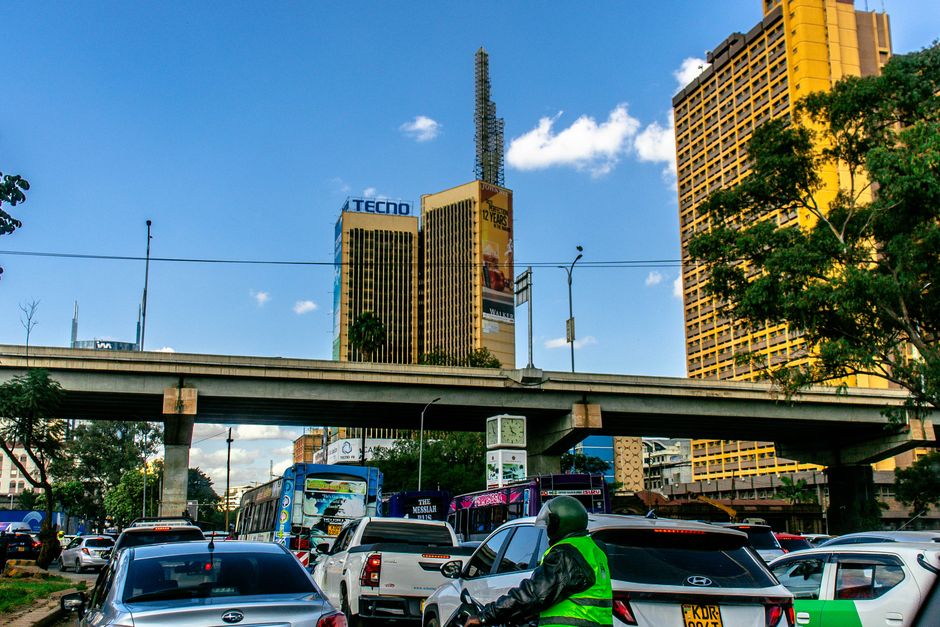
Nairobi Renters Face Limited Housing as Lease Renewals Surge This Quarter
With rental stock tightening across Westlands, Kilimani and the city's growth corridors, tenants facing lease renewals this quarter are running out of easy options.
With rental stock tightening across Westlands, Kilimani and the city's growth corridors, tenants facing lease renewals this quarter are running out of easy options.
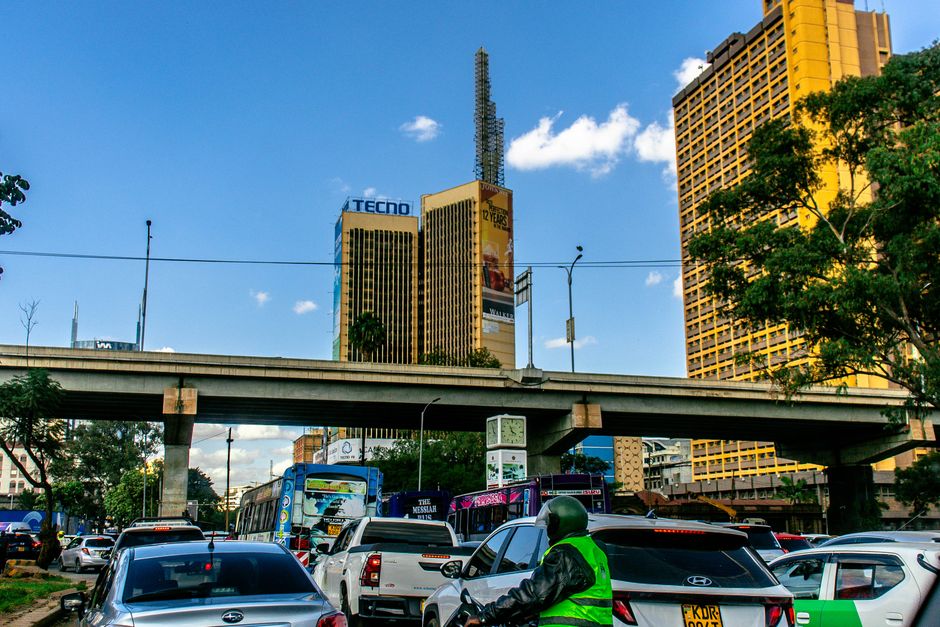
Nairobi's rental market is squeezing tenants from both ends. Landlords are pushing renewal rents up by between 15 and 22 percent in prime neighbourhoods, according to figures compiled by Hass Consult for the first half of 2026, while the supply of mid-market units — those priced between KES 45,000 and KES 90,000 per month — has tightened sharply after construction financing costs rose following the Central Bank of Kenya's sustained high-rate environment through 2025. For the thousands of Nairobians whose leases expire between July and September, the question is no longer whether to stay or go. It is how to survive either decision.
The timing matters because mid-year lease clusters are unusually dense in 2026. Many tenants who signed during the post-COVID rebound of mid-2023 took 36-month contracts, meaning a disproportionate number of those agreements expire simultaneously this quarter. Landlords know it. Several property managers operating along Argwings Kodhek Road in Kilimani and around Valley Arcade in Lavington confirmed to The Daily Nairobi that they have received multiple competing applications for units that came vacant in June — something that was rare as recently as 18 months ago.
The maths of buying versus renting has shifted, but not enough to make ownership a straightforward escape hatch. A modest two-bedroom apartment in Kileleshwa lists at roughly KES 12.5 million. At current mortgage rates from Kenya Mortgage Refinance Company-backed lenders — hovering around 12.5 percent annually — a buyer putting down the standard 10 percent deposit faces monthly repayments of approximately KES 120,000 over 20 years. That is comfortably above what a comparable unit rents for, which keeps buying economically irrational for most middle-income earners whose salaries have not kept pace with asset prices. The Kenya Bankers Association reported in May 2026 that mortgage uptake among first-time buyers fell 8 percent year-on-year in the first quarter, the third consecutive quarterly decline.
Ruaka, along the Northern Bypass toward Runda, and Syokimau near the Standard Gauge Railway terminus remain the clearest exceptions to this calculus. A two-bedroom unit in Ruaka can still be acquired off-plan from developers like Centum Real Estate for between KES 6.5 million and KES 8 million, bringing monthly repayments closer to KES 68,000 — near parity with current market rents in those corridors. The trade-off is the commute, and the faith that infrastructure commitments along the Eastern Bypass and Thika Superhighway extensions will hold.
Property advisers at Knight Frank Kenya recommend that tenants approach landlords at least 60 days before expiry rather than the statutory 30, specifically to negotiate multi-year renewal terms. Locking in a rate for 24 months carries real value when the trajectory of Nairobi rents is upward. Landlords with financing exposure of their own — particularly those who borrowed to finish construction during 2022 and 2023 — are often more flexible than they advertise publicly, because vacancy is costly. A unit sitting empty for six weeks erases months of rent increases.
Tenants priced out of Kilimani or Westlands are moving in patterns that were not visible two years ago. Enquiries to agents along Mombasa Road near the Cabanas junction and along Jogoo Road toward Buruburu have jumped, according to agents registered with the Estate Agents Registration Board of Kenya. These are not glamorous relocations, but the rental differential between a two-bedroom in upper Kilimani at KES 85,000 and one in South B at KES 38,000 is real money — roughly KES 564,000 a year.
For tenants determined to stay put, one underused tool is the Rent Restriction Tribunal, which operates under the Rent Restriction Act and technically applies to residential premises with a standard rent below KES 2,500 per month — a threshold that renders it largely symbolic in today's market. Legislative reform advocates at the Kenya Human Rights Commission have pushed since 2024 for a revised threshold, but no bill has reached the floor of the National Assembly. Until one does, tenants in upper-market units have no formal ceiling on renewal increases beyond what their lease contract specifies.
The most durable advice, counterintuitive as it feels mid-crisis: do not sign a short extension just to buy time. Rolling monthly tenancies in Nairobi legally give landlords 30 days to demand vacant possession. A fresh 12-month lease, even at a higher rent, gives a tenant breathing room to plan — whether that plan ends at a Syokimau show house or at a negotiating table in Lavington.
How does this story make you feel?
Spread the word
About this article
Published by The Daily Nairobi
Daily brief
Free, in your inbox before 7am. Weekdays.
More in Property