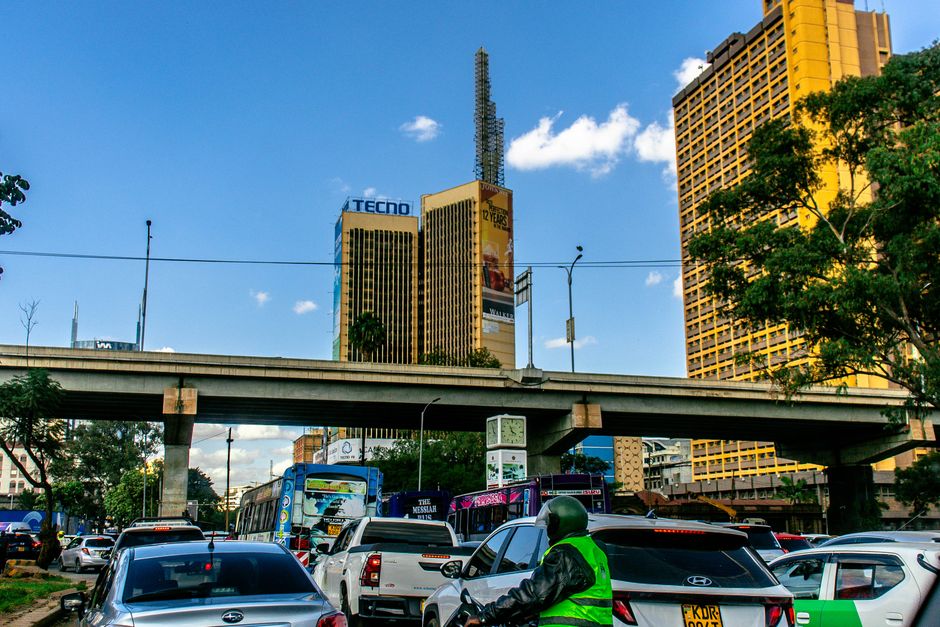
As property prices in Nairobi push past KES 15 million for the average apartment, tenants and buyers alike are starting to look to regional hubs such as Nakuru, Kisumu, and Eldoret for better value—and in many cases, greater affordability. New data from HassConsult released last month confirms that rent-to-income ratios in Nairobi’s suburbs are now significantly higher than in most secondary cities.
The trend comes amid a cost-of-living squeeze that has left thousands of Nairobians reconsidering whether to buy now—or hold out for a rental deal further afield. The question is pressing: as global heatwaves escalate and flood risks rise (with this week’s disaster in Côte d’Ivoire leaving 59 dead), property values and rental yields in key regional centres are emerging as both a hedge and an escape for Kenyan families.
Kileleshwa to Kisumu: Contrasting Markets
Along Riverside Drive in Kileleshwa, advertised rents for a three-bedroom apartment hover near KES 140,000 per month—about four times the equivalent listing in Kisumu’s leafy Milimani area, where similar properties go for KES 35,000 to 40,000. In Ruaka and Syokimau, rapid development has cooled price growth, but even here monthly rents top KES 55,000 for new builds. Meanwhile, real estate agents in Nakuru’s Whitehouse or Section 58 report a surge in demand for units ranging from KES 18,000 to 26,000, with modest home purchase prices in the KES 7M-10M band—less than Nairobi’s median.
"The market has shifted sharply post-pandemic," said a representative from Optiven Limited, a Nairobi-based property developer. "We see younger professionals and small families opting for commuter towns, chasing space and liveability, instead of being boxed into a one-bed on Ngong Road." Even the government-supported Boma Yangu affordable housing program places over 40% of recent allocations outside Nairobi, with uptake strongest in smaller cities like Thika and Machakos.
Crunching the Numbers
Recent figures from the Kenya Bankers Association show Nairobi household rent averages at 38% of the mean monthly income—a figure that has risen six percentage points since 2022. In contrast, Kisumu and Nakuru remain below 24%. Buying costs tell a similar story: while a first-time buyer in Nairobi faces a downpayment of KES 1.5M–3M, regional buyers typically need less than KES 700,000 upfront. Dominant lenders such as NCBA and Cooperative Bank confirm uptick in mortgage applications outside Nairobi since January 2025, driven by relative price stability and lower speculative pressure. Housing supply in Nairobi cannot keep pace with demand—last year, the capital approved fewer than 18,000 new units city-wide—fuelling scarcity-driven inflation, especially in Kilimani and Parklands.
Heading into the second half of 2026, Nairobi residents weighing their options must consider not only price tags, but broader economic uncertainty and infrastructure factors. Experts recommend using updated rent-to-income and price-per-square-foot comparisons before locking in long-term commitments. For now, Nairobi’s market remains frothy—and for the budget-conscious, the region is beckoning.