How Much Rent is Too Much? The 30% Rule in Practice
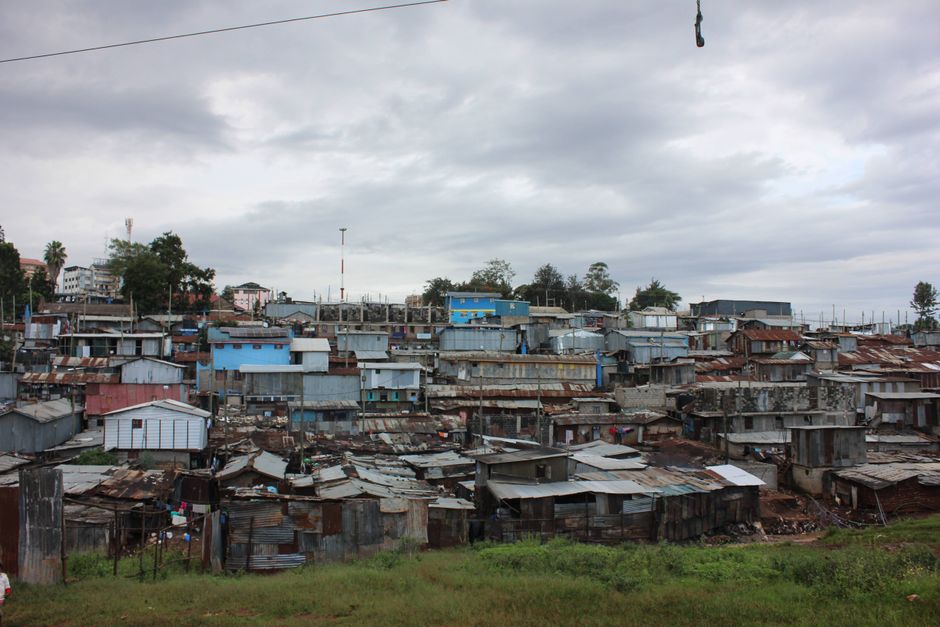
Nairobi renters face tough choices as housing costs outpace incomes, sparking debate over affordable housing options
Nairobi renters face tough choices as housing costs outpace incomes, sparking debate over affordable housing options

Nearly 60% of Nairobi residents spend more than 30% of their income on rent, according to a recent survey by the Kenya National Bureau of Statistics.
This matters now because the city's rapid growth and urbanization have led to a surge in demand for housing, driving up prices and rents in popular neighborhoods like Westlands and Lavington. As a result, many renters are struggling to find affordable options, with some forced to choose between paying rent and covering other essential expenses. The 30% rule, a widely accepted benchmark for housing affordability, suggests that renters should not spend more than 30% of their income on housing costs.
In Nairobi, the reality is far from this ideal. In areas like Kileleshwa and Kilimani, where demand is high and supply is limited, rents can range from KES 80,000 to over KES 200,000 per month for a two-bedroom apartment. The Nairobi City County Government's affordable housing initiative, which aims to provide subsidized housing options for low-income residents, has made some progress, but more needs to be done to address the scale of the problem. Organizations like the Kenya Red Cross and the Nairobi-based nonprofit, Shelter Africa, are working to provide affordable housing solutions, including rental subsidies and community land trusts.
According to data from the Kenya Bankers Association, the average rent for a two-bedroom apartment in Nairobi increased by 15% between 2022 and 2025, outpacing wage growth and inflation. In Ruaka and Syokimau, two of the city's fastest-growing suburbs, rents have risen by as much as 25% over the same period, driven by demand from young professionals and families. As of June 2026, the average rent for a one-bedroom apartment in these areas was KES 45,000 per month, up from KES 35,000 just two years ago.
So what does the 30% rule mean in practice for Nairobi renters? For a resident earning KES 50,000 per month, the maximum affordable rent would be KES 15,000 per month. However, in many parts of the city, rents are far higher, leaving renters with tough choices. The University of Nairobi's Department of Urban and Regional Planning has developed a housing affordability index, which provides a more nuanced understanding of the city's housing market and identifies areas where affordability is a major concern.
As the city continues to grow and evolve, it's essential that policymakers and developers prioritize affordable housing options. This could include initiatives like rent control, subsidies for low-income renters, and incentives for developers to build affordable housing units. In the meantime, renters will need to be savvy and strategic in their search for affordable housing, considering factors like location, transportation costs, and access to amenities. By understanding the 30% rule and its implications, Nairobi renters can make more informed decisions about their housing choices and advocate for policies that support affordable housing options.
How does this story make you feel?
Spread the word
About this article
Published by The Daily Nairobi
Daily brief
Free, in your inbox before 7am. Weekdays.
More in Property