Renting vs. Buying in Nairobi: Who's Really Winning Right Now?
With mortgage rates still biting and landlords flooding the market with new units, Nairobi's rental equation is shifting fast — and both tenants and property owners are feeling it.
With mortgage rates still biting and landlords flooding the market with new units, Nairobi's rental equation is shifting fast — and both tenants and property owners are feeling it.
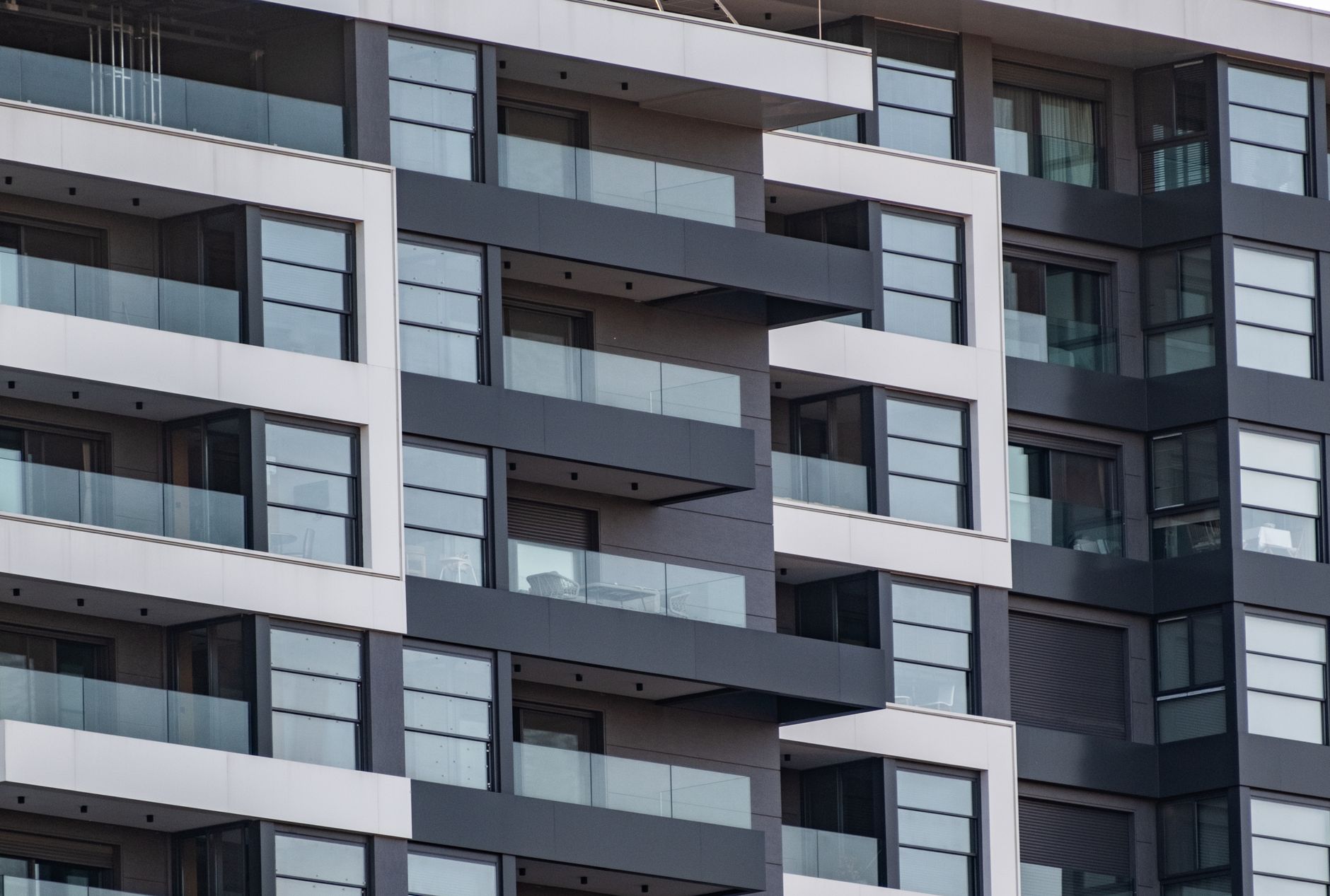
The numbers tell an uncomfortable story for anyone sitting on a title deed. A three-bedroom apartment in Kilimani that costs KES 18 million to buy — requiring monthly mortgage repayments of roughly KES 155,000 at current Central Bank of Kenya base rates hovering around 12.5 percent — can be rented from the same building for KES 75,000 a month. That gap, nearly double the cost of owning versus renting, is reshaping decisions across Nairobi's property market in mid-2026.
The timing matters. Kenya's mortgage sector remains stubbornly shallow: the Kenya Mortgage Refinance Company estimates fewer than 30,000 active mortgages exist in a country of 55 million people. High interest rates, strict collateral requirements from lenders like KCB Group and Equity Bank, and a general nervousness about long-term borrowing after two years of economic turbulence have kept most middle-class Nairobians firmly in the tenant camp. Landlords who built aggressively between 2022 and 2024 — particularly along Ngong Road and in Ruaka — are now sitting on inventory that refuses to clear.
Walk through Westlands on any given weekend and the "To Let" signs on Mpaka Road and Ring Road Westlands have multiplied noticeably since January. Property managers working the Lavington and Kileleshwa corridors report vacancy rates in some blocks running between 20 and 30 percent — figures that were unthinkable three years ago when Nairobi's post-pandemic return to office drove a surge in demand for larger apartments. The Kenya Property Developers Association flagged earlier this year that the Kileleshwa-Kilimani belt added over 4,200 new residential units in 2025 alone, most of them targeting the KES 60,000–KES 120,000 monthly rental bracket.
That oversupply is doing what oversupply always does. Landlords who were firmly holding the line at KES 90,000 for a two-bedroom in Lavington are now quietly offering one month free, absorbing Wi-Fi bills, or simply dropping asking rents by KES 10,000 to KES 15,000 to secure a tenant. In Ruaka — the growth corridor running north toward Limuru Road that swallowed tens of thousands of young renters through the early 2020s — studios that went for KES 28,000 in 2023 are being listed at KES 22,000. The Syokimau corridor on Nairobi's southeast edge tells a similar story, particularly around the SGR station access roads where speculative bedsitters have piled up faster than the tenant base has grown.
For tenants, the leverage is real and immediate. Negotiating on rent is no longer a social awkwardness — it is expected. Agents at firms including Ark Valuers and HassConsult are advising prospective renters to counter any listed price, especially for units that have sat empty for more than six weeks. A realistic starting counter-offer of 10 to 15 percent below the asking price is increasingly accepted without drama in neighbourhoods like South C and Ngong Road estates closer to the Prestige Plaza end.
For buyers, the calculus is harder. The Kenya Bankers Association's House Price Index showed nominal values in Nairobi's upper-middle suburbs rose only 3.2 percent in 2025 — barely ahead of the officially reported inflation rate. Anyone who bought on mortgage in 2023 at rates above 14 percent is, on paper, losing ground in real terms. The break-even point at which owning becomes cheaper than renting in Nairobi — typically calculated at between 18 and 22 years in the current rate environment — stretches too far into the future for most households to stomach.
The practical advice for Nairobians facing this choice in the second half of 2026 is straightforward: if you cannot put down at least 30 percent of a purchase price in cash, renting and investing the difference in a money market fund — Kenya's top funds are currently yielding between 12 and 14 percent annually — is the more rational short-term play. The market may correct once interest rates ease, but that conversation belongs to 2027 at the earliest.
How does this story make you feel?
Spread the word
About this article
Published by The Daily Nairobi
Daily brief
Free, in your inbox before 7am. Weekdays.
More in Property