Nairobi Rent Prices 2024: The 30% Rule Guide
Nairobi apartment rents are surging. Learn if you're paying too much with the 30% income rule and see real Kilimani rent prices affecting local renters today.
Nairobi apartment rents are surging. Learn if you're paying too much with the 30% income rule and see real Kilimani rent prices affecting local renters today.
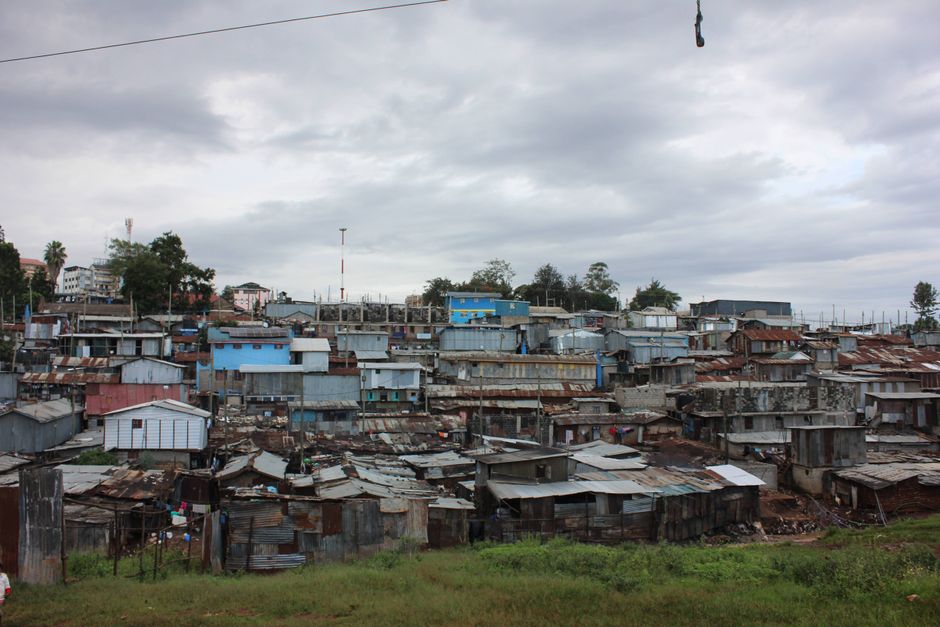
For thousands of Nairobians, finding a decent apartment increasingly means facing the tough reality of devoting a huge chunk of their salary to rent. In Kilimani, two-bedroom flats now average KES 90,000 per month. For a tech worker earning KES 250,000, even a modest space is threatening to blow up the so-called 30% rule: that rent shouldn’t exceed 30% of monthly income.
Rent spikes have gripped Nairobi’s urban heart over the past year, driven by post-pandemic relocation patterns and a spike in mortgage rates. The traditional 30% rule—long cited in personal finance guides and banking regulations—has become a crucial talking point as tenants find themselves negotiating renewals with landlords emboldened by high demand. Affordable housing initiatives like the government’s Boma Yangu programme are still vastly over-subscribed: officials confirmed this week that more than 60,000 Nairobi residents are on the waiting list for subsidised flats in Pangani and Park Road.
The pressure is most acute in fast-growing corridors like Ruaka and Syokimau, where young families are drawn by new malls and transport links. Even here, rents for three-bedroom apartments have crept above KES 70,000 along Limuru Road, up from KES 52,000 just two years ago, according to data from HassConsult. In contrast, premium addresses in Lavington and Westlands are attracting rents well above KES 160,000 for four-bedroom townhouses—a figure that renders the 30% guideline unreachable for all but the city’s highest earners.
Nairobi’s average rent for a two-bedroom flat is now KES 62,000 per month, according to the 2026 Property Index compiled by Kenya Bankers Association. For context, the average gross monthly earnings for an urban employee in Nairobi stands at KES 98,000, according to the latest Kenya National Bureau of Statistics figures released in May. That means an average renter would be handing over 63% of their paycheck just on rent—double the widely accepted threshold. In areas like Donholm or Tassia, a single room can be had for KES 14,000, but tenants report overcrowding and unreliable water access.
Financial planners warn that spending more than 30% of income on housing crowds out vital spending on food, transport and health. It’s a phenomenon visible across city estates: tenants of Greenpark in Athi River say their landlords implemented 10% hikes last month, while South B residents are bracing for another round of increases following completion of the new Nairobi Expressway link roads.
Analysts say buyers aren’t finding much relief. Average home prices in Nairobi are now KES 15 million, far out of reach for most. Even with 10% down payments and a 15-year fixed mortgage at 13.5%, monthly repayments on a standard apartment in Kahawa West would be around KES 140,000—well above what most two-income households can afford.
What next for Nairobi’s renters? Housing advocates at Pamoja Trust urge tenants facing annual increases to push for longer lease terms and to insist on transparent service charge accounts, especially in new high-rise developments around Ngong Road. Those on the cusp must weigh whether to move further out—where transport costs can offset lower rents—or to pursue shared accommodation closer in. Financial advisers recommend capping rent at one third of gross pay, but with the current market, many see this as a distant hope rather than day-to-day reality.
The county government has announced another round of affordable housing allocations for Starehe and Mowlem, promising 8,000 units before the end of 2026. But with Nairobi’s population still growing by nearly 100,000 residents per year, every sign points to the city’s affordability crisis outpacing short-term fixes. For now, experts say the 30% rule remains a useful guide for budgeting, but many tenants will need to bend—if not break—it to stay housed within city limits.
How does this story make you feel?
Spread the word
About this article
Published by The Daily Nairobi
Daily brief
Free, in your inbox before 7am. Weekdays.
More in Property