How Much Rent Is Too Much? The 30% Rule in Practice for Nairobi Tenants
Rents in Nairobi’s most popular neighbourhoods are stretching incomes, but does the old 30% rule still hold up for city residents?
Rents in Nairobi’s most popular neighbourhoods are stretching incomes, but does the old 30% rule still hold up for city residents?
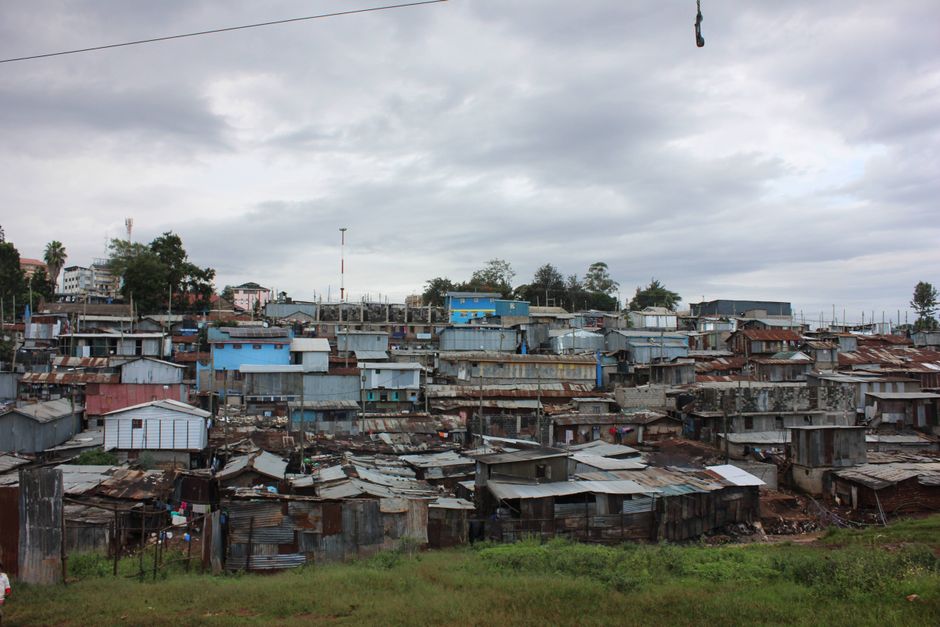
For many Nairobians, paying rent on time remains a monthly struggle. Average asking rents have breached the KES 80,000 mark in Westlands and Lavington, but that amount can eat up well over a third of an average middle-class net salary—putting the centuries-old 30% affordability rule under fresh scrutiny.
This debate matters more than ever as households face compounding pressures. Nairobi’s rapid growth—registration documents at the Urban Housing Forum note that more than 40,000 new households formed in the city last year—has collided with stubbornly high property prices and rising living costs. The 30% metric, which suggests rent should not exceed 30% of gross household income, is increasingly difficult to achieve for many city dwellers, including both established residents and a new wave of young professionals flocking to Kileleshwa high-rises.
Westlands, long a premium address, is now seeing two-bedroom flats at Riverside Drive listed for between KES 120,000 and KES 180,000 per month on platforms such as BuyRentKenya and Property24. Lavington prices remain close behind. For context, Kenya National Bureau of Statistics put the 2025 average monthly formal sector wage in Nairobi at roughly KES 76,000—less than the asking price for a midrange unit in these neighbourhoods. In rapidly densifying Kileleshwa and Kilimani, typical new-build rentals hover around KES 60,000 for a two-bedroom, still hard to squeeze into a 30% limit for most professionals.
Comparatively, satellite growth corridors including Ruaka, Syokimau, and parts of Embakasi offer lower rents, with some one-bedroom flats advertised as low as KES 25,000. But even those registering for affordable housing through the Boma Yangu programme—where units start below KES 8,000 monthly—report long waiting lists, according to the State Department for Housing and Urban Development’s latest update.
In a city where a couple earning a combined KES 150,000 per month would need to spend no more than KES 45,000 for shelter to meet the 30% test, choices are limited. It’s not just rent: service charges, water bills and security costs add up quickly in Nairobi’s gated estates. For those on less stable incomes, such as gig economy workers in South B or students in Kasarani, even a modest increment in rent can tip household budgets from tight to unmanageable.
Kenya Bankers Association housing index data from Q1 2026 signals that the rent-to-income ratio among urban middle-income renters has climbed to an average of 35-40%. The impact is starkest in city centre apartments and in the long shadow of higher mortgages, where average home prices crossed KES 15 million this year and loan eligibility thresholds remain out of reach for most.
Financial experts at local Sacco societies suggest Nairobi residents should run the numbers carefully—factoring in not just official rent, but also utilities, transport, and unavoidable monthly outflows. If the rent line busts 30% of gross income, tenants are advised to shop the city’s fringes, negotiate with landlords, or consider co-living models that have become popular in areas like Upper Hill and Ngong Road. The reality: while the 30% rule is a useful compass, Nairobi’s current housing dynamics mean it’s just one part of a challenging equation for urban renters weighing what’s truly affordable.
How does this story make you feel?
Spread the word
About this article
Published by The Daily Nairobi
Daily brief
Free, in your inbox before 7am. Weekdays.
More in Property