Nairobi’s Low Rental Vacancy Rates Fuel Intense Competition for Apartments
Demand is outpacing supply in key Nairobi neighbourhoods, pushing tenants into fierce bidding wars and pricing out many would-be renters.
Demand is outpacing supply in key Nairobi neighbourhoods, pushing tenants into fierce bidding wars and pricing out many would-be renters.
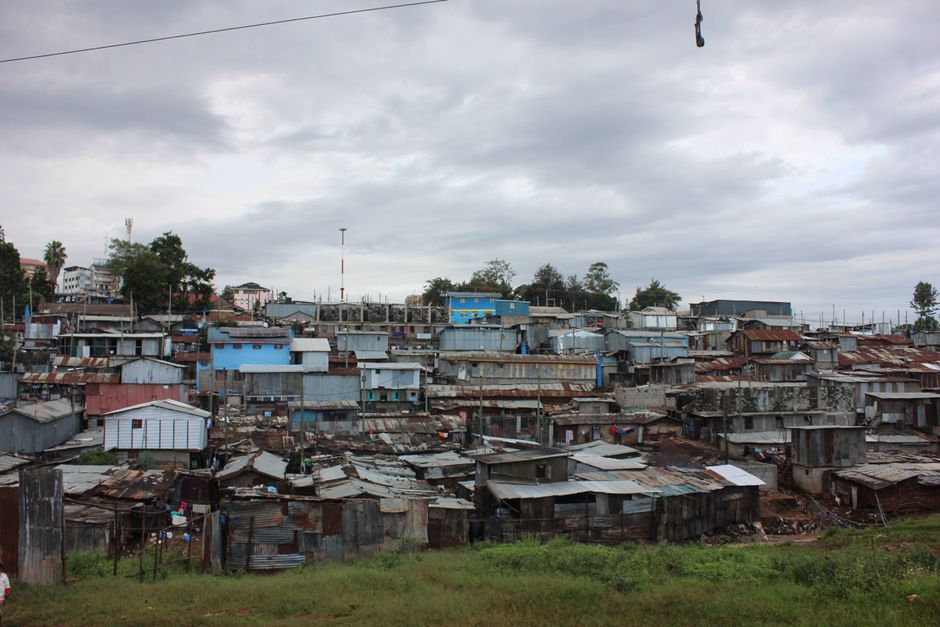
A scramble for rental homes is gripping Nairobi as fresh data shows vacancy rates across the city’s prime suburbs have plunged below 8%, making it harder than ever for tenants to secure affordable apartments in high-demand neighbourhoods.
The pressure comes as Nairobi’s population continues to surge, with both local and international arrivals fuelling housing demand. The squeeze is most acute in Westlands, Lavington and Kileleshwa, where young professionals and families are vying for a limited stock of well-located units. This low vacancy rate is pushing rents upwards and leaving tenants with fewer options in the mid-priced segment.
Along Riverside Drive and in the heart of Westlands, property agents say listings are snapped up within days. "If you don’t apply within the first 24 hours, you’re out of luck," said a leasing manager at Urban Living Kenya, which manages several blocks on Waiyaki Way. Lavington Green’s leafy apartments have rarely sat empty for more than two weeks. Meanwhile, areas like Kilimani and Kileleshwa—long popular for their mix of amenities and access to the CBD—have seen a flood of applicants for even modest two-bedroom flats. At the Sarit Centre’s property expo last month, agents reported they received at least 40 inquiries for every new Westlands listing advertised in June.
Ruaka and Syokimau, once fringe zones, have become growth corridors as buyers and renters search beyond the traditional inner-city hubs. According to data compiled by Virtual City Properties, Syokimau now commands KES 40,000–70,000 for a standard three-bedroom, well above pre-pandemic averages. In Ruaka, a newly built development near Two Rivers Mall saw its entire first phase of rentals filled within three weeks of launch this May.
Numbers from the Kenya National Bureau of Statistics (KNBS) highlight the squeeze: as of June 2026, city-wide rental vacancy rates averaged just 7.6%, compared to 11% in 2022. The effect is most pronounced in Westlands—where they dropped to just 4.2% this quarter. Average rents in such neighborhoods have jumped: a typical two-bedroom unit in Kilimani now fetches KES 85,000 per month, up from KES 63,000 two years ago. Some landlords are requiring multiple months’ rent upfront or even auctioning units to the highest bidder.
The buying market remains out of reach for many residents. The average home price in Nairobi has recently crested above KES 15 million, with Westlands and Lavington recording peak prices over KES 30 million, according to HassConsult’s Q2 2026 index. With mortgage rates hovering at 15–18%, typical salaried workers are instead forced to compete for rentals—putting more pressure on limited stock.
For house-hunters navigating the July rush, property consultants recommend acting quickly and expanding your search boundary. “Have your documents and deposit ready, and consider alternative locations like Rongai or Embakasi, where vacancy rates are slightly higher,” advised a senior agent at Villa Care on Ngong Road. Affordable housing projects such as Boma Yangu and Amani Ridge offer some hope for medium-term relief, but for now, Nairobi’s renters must contend with fierce competition—and be prepared for short viewing windows and even steeper rents in the city’s most coveted addresses.
How does this story make you feel?
Spread the word
About this article
Published by The Daily Nairobi
Daily brief
Free, in your inbox before 7am. Weekdays.
More in Property