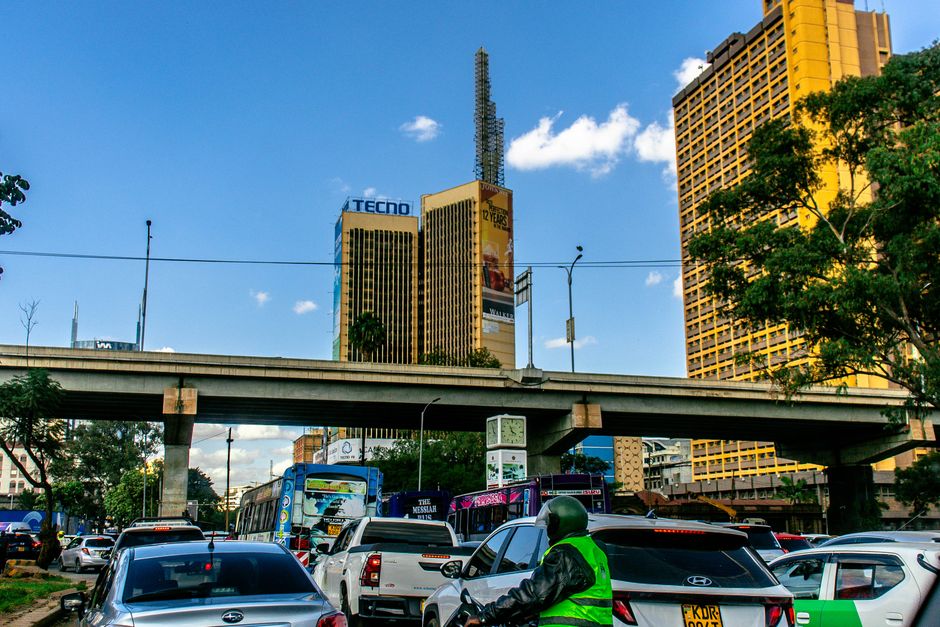
Build-to-Rent Developments Redraw the Map for Nairobi's Tenants
Purpose-built rental housing is redefining the city's affordability equation for renters and buyers alike.
Purpose-built rental housing is redefining the city's affordability equation for renters and buyers alike.
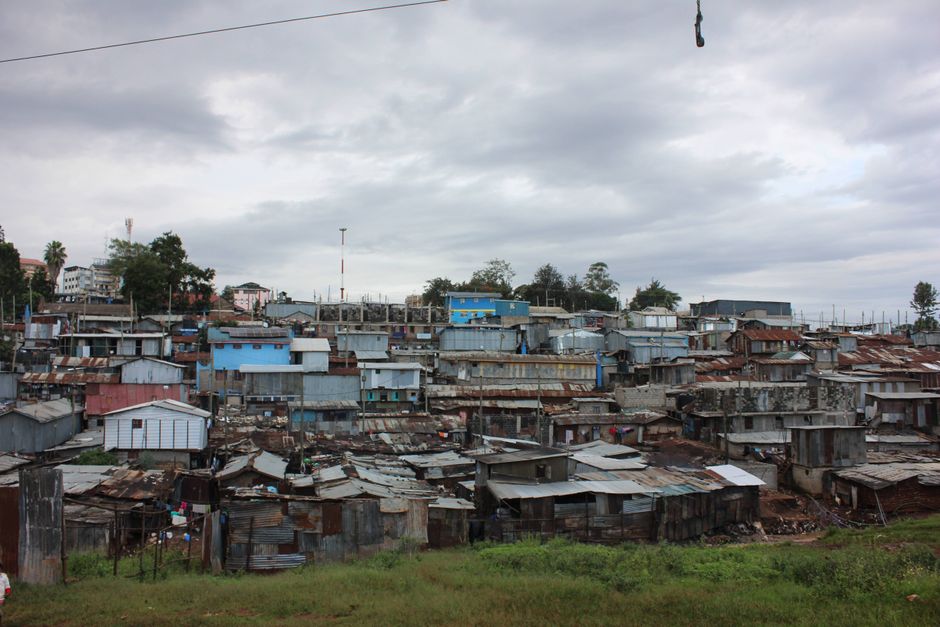
New complexes dedicated exclusively to renting—known as build-to-rent (BTR)—are cropping up across Nairobi, promising tenants everything from dedicated gyms to flexible leasing terms in a push to tackle the city's housing affordability crunch.
This momentum comes as surging property prices and stagnant wage growth squeeze would-be homeowners. The average purchase price for a three-bedroom apartment within the Nairobi city limits topped KES 15 million in the first half of 2026, putting down payments out of reach for a growing middle class. For many, renting is the only viable option—but the scramble for quality rentals has driven up monthly rates in the city's prime zones.
Developers like Acorn Holdings and Centum Real Estate have been leading the BTR charge with projects along Limuru Road in Ruaka and in the upmarket Lavington area. At Unity Homes' Palmyra Heights, which opened doors this March off Gitanga Road, tenants pay from KES 70,000 per month for two-bedroom units. These BTR schemes often include co-working lounges, communal kitchens, and secure parking—features typically out of reach for standard rental stock.
Unlike traditional apartment complexes peppered with owner-occupied units, these developments are owned and managed by a single-provider for long-term rental income. This professional management model means repairs (notoriously slow in Nairobi's conventional rental market) are responded to within set timeframes—at Unity Heights, tenants cited an average 48-hour turnaround on maintenance, far quicker than the citywide average documented by Kenya Property Developers Association, which often exceeds a week.
Data from HassConsult's Q2 2026 report show rental rates in high-demand areas such as Kilimani and Kileleshwa averaging KES 85,000 for a mid-range two-bedroom. By contrast, build-to-rent units tend to price between KES 65,000–80,000, with amenities bundled in. For context, monthly mortgage payments on the same-sized unit—assuming a standard 12% interest and a 10-year term—would run upwards of KES 150,000 with a 20% deposit. According to Mi Vida’s director of projects, applications for new-build rental units have doubled in the last twelve months, while mortgage uptake has plateaued despite new government incentives for first-time buyers.
The stability of tenure is another draw, with BTR landlords offering three to five year lease options—a sharp contrast to the typical 12-month contracts that often come with surprise hikes.
Build-to-rent is not a panacea for every tenant, with critics pointing to higher baseline rents than far-flung satellite estates like Syokimau. Still, the model is winning converts, particularly among Nairobi’s tech sector professionals whose offices cluster around Upper Hill and Westlands. "Convenience and certainty are what our tenants want most," says a leasing agent at Ruaka’s new Crescent Residences.
BTR schemes are set to expand into Nairobi’s south-eastern corridor, with Safari Homes breaking ground in Embakasi later this year. Industry watchers expect more global funds to back local BTR platforms, anticipating that at least 2,000 new purpose-rental units will hit the market by late 2027. For renters, the key question is fit: weigh professional management and prime locations against your budget. With most BTR projects requiring fewer upfront costs—typically only two months’ deposit versus three or more at many private rentals—this market segment is pushing Nairobi’s landlords to up their game for tenants.
How does this story make you feel?
Spread the word
About this article
Published by The Daily Nairobi
Daily brief
Free, in your inbox before 7am. Weekdays.
More in Property