How Much Rent Is Too Much? The 30% Rule in Practice for Nairobi Tenants
The 30% rent-to-income guideline faces tough scrutiny as Nairobians juggle rising costs and shifting property markets.
The 30% rent-to-income guideline faces tough scrutiny as Nairobians juggle rising costs and shifting property markets.
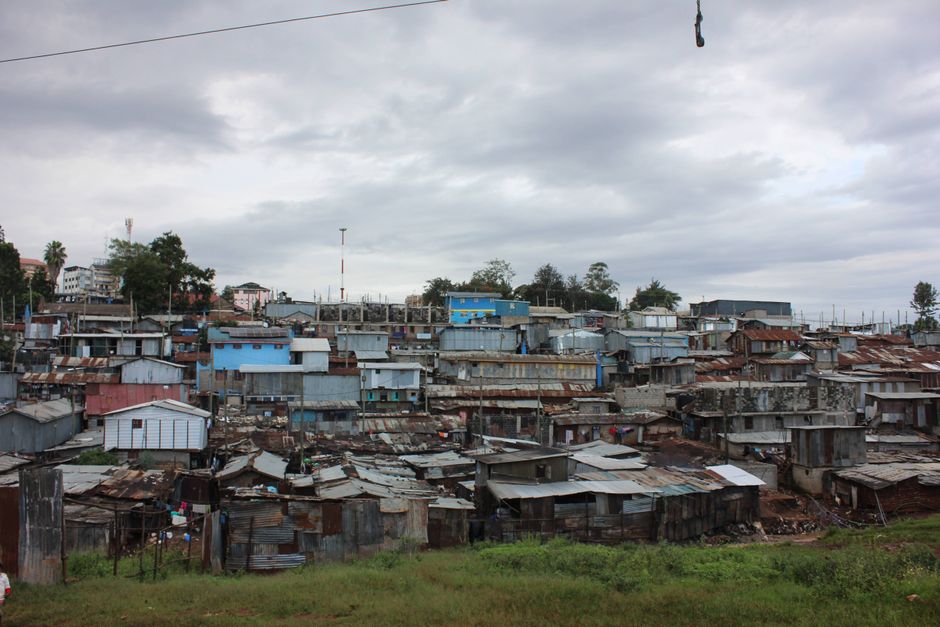
For many Nairobians, the time-tested advice to spend no more than 30% of one’s income on rent is being put to the test. With average rents for a two-bedroom apartment in popular areas like Kileleshwa now topping KES 80,000 a month, many households are burning through much more of their pay just to keep a roof over their heads.
This affordability squeeze comes at a pivotal moment. Rental prices across Nairobi have kept climbing, even as wage growth stalls and inflation continues to push up the price of basics from maize flour to bus fares. For young professionals eyeing independence, as well as families considering whether to rent or buy, the difference between a home and hardship often comes down to a few thousand shillings. "People are reaching for neighbourhoods like Ruaka or Syokimau," said Wangechi Kamau, a property agent based near Kenyatta Avenue, "because Westlands or Lavington are just out of range for those sticking to that 30 percent rule."
Locally, the question of affordability is more urgent than ever. For example, along Ngong Road and in Kilimani, a surge of new apartment complexes has done little to slow rent acceleration. Tofara Properties, a major developer behind several blocks in Adams Arcade and Madaraka, told The Daily Nairobi that occupancy remains strong despite monthly rents in some cases doubling the city’s median gross salary. Meanwhile, the government’s Bomas Affordable Housing Project, touted as a potential lifeline, has yet to alleviate pressure in most middle-income brackets.
According to the Kenya National Bureau of Statistics (KNBS), the median monthly income for an urban Nairobi household sits at approximately KES 60,000 as of June 2026. That means, using the 30% thumb rule, a typical family should aim to spend no more than KES 18,000 per month on rent. But the numbers tell another story. In Kilimani and Kileleshwa, the median rent for a basic two-bedroom is now upwards of KES 75,000. Even in Ruaka—long seen as the city’s up-and-coming budget corridor—a new one-bedroom rarely dips below KES 30,000 a month. Only Eastlands and a handful of satellite towns like Rongai offer regular options within the "affordable" band. According to HassConsult’s most recent Nairobi Housing Price Index, rental costs citywide have surged by 14% over the past 12 months, outpacing wage growth for most workers.
The unequal match between salaries and rental prices helps explain Nairobi’s spike in multi-family living arrangements as well as the renewed interest in cooperative homeownership schemes, such as projects supported by the Kenya Mortgage Refinance Company (KMRC).
What now for Nairobians watching rent climb each year? Financial planners recommend tenants re-examine their budgets every time a lease is up for renewal. Savings cooperatives such as Stima Sacco and Unaitas offer short-term loan options for rent deposits—but also caution against over-borrowing. Residents who find themselves dedicating far more than 30% of their income to rent could consider moving slightly further from the CBD or into shared housing to regain some financial breathing room.
For prospective buyers, agents say patience remains essential: while asking prices in Syokimau for starter homes hovers just below KES 12 million, strict mortgage criteria can push prospective buyers back to the rental market. As Nairobi hosts more international companies at venues like Two Rivers Mall and Riverside Drive, the strain on affordable rentals may persist. Until the city’s housing supply catches up, locals weighing the 30% rule must balance the books—and their expectations—with caution.
How does this story make you feel?
Spread the word
About this article
Published by The Daily Nairobi
Daily brief
Free, in your inbox before 7am. Weekdays.
More in Property