How Much Rent Is Too Much? What Nairobi's Yield Numbers Actually Tell Investors
The classic 30% income rule is being stress-tested across Nairobi's rental market — and the arithmetic is making landlords richer while squeezing tenants harder.
The classic 30% income rule is being stress-tested across Nairobi's rental market — and the arithmetic is making landlords richer while squeezing tenants harder.
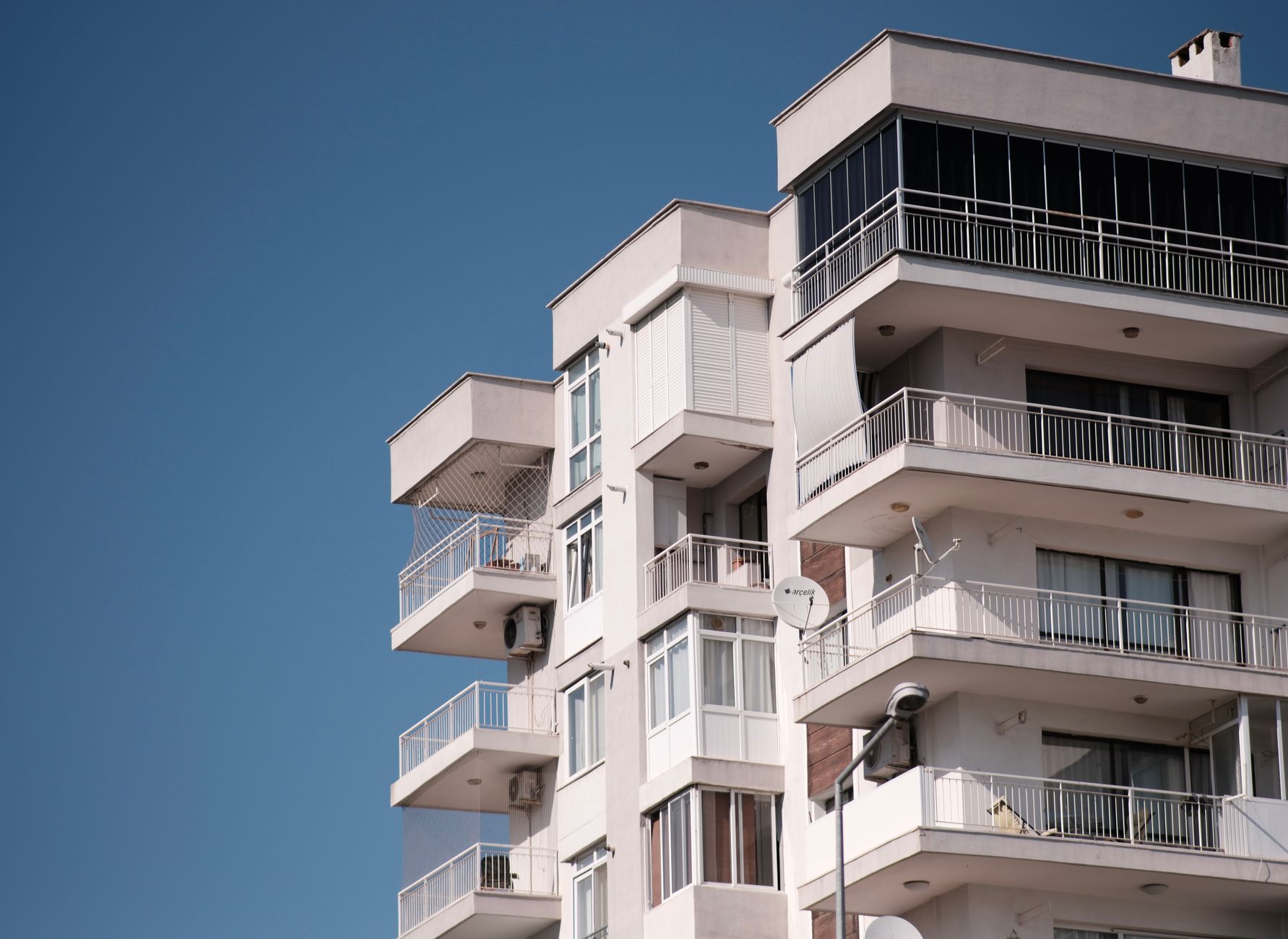
A one-bedroom apartment on Raphta Road in Westlands goes for between KES 65,000 and KES 85,000 a month. To stay within the globally accepted 30% rent-to-income threshold, a tenant signing that lease would need to earn at least KES 217,000 net per month. Kenya's median formal-sector salary sits well below that figure. The gap is not academic — it is the daily arithmetic of Nairobi's rental crisis.
The timing matters. Kenya's central bank held its benchmark lending rate at 12.5% through the first half of 2026, keeping mortgage costs punishing and pushing more middle-income households into the rental market indefinitely. Demand is not softening. Supply of genuinely affordable stock is. That combination is handing landlords pricing power they have not seen in years, and it is reshaping what yield-chasing investors can realistically expect — and extract — from this city.
Gross rental yields in Nairobi vary sharply by corridor. In Kilimani and Kileleshwa, two-bedroom units priced between KES 12 million and KES 18 million on the secondary market are generating monthly rents of KES 70,000 to KES 100,000. That works out to a gross annual yield of roughly 6% to 7.5% — respectable by any regional comparison, including Johannesburg or Lagos, where prime residential yields rarely breach 7%. Net yields, after service charges, property management fees typically charged at 8% to 10% of collected rent by firms such as Knight Frank Kenya and Hass Consult, and periodic vacancy, tend to land between 4.5% and 5.8%.
The growth corridors tell a different story. In Ruaka, along the Northern Bypass, developers have been selling two-bedroom units for KES 6.5 million to KES 9 million since late 2024. Rents in the same zone now average KES 40,000 to KES 55,000 per month. The implied gross yield — up to 8.3% at the lower purchase price — is among the strongest in the city, which explains why off-plan uptake in Ruaka remained strong through the first quarter of 2026 even as financing costs rose. Syokimau, on the Nairobi-Mombasa corridor near the commuter rail station, shows a similar pattern, with studio and one-bedroom units achieving yields above 8% where landlords have priced rents at KES 22,000 to KES 35,000.
Those yields, however, depend entirely on full occupancy. And full occupancy depends on tenants who can afford the rent. Apply the 30% rule to Ruaka's KES 50,000 median asking rent and the qualifying income is KES 167,000 per month — a figure that excludes a large share of the salaried workers the neighbourhood is actually marketing itself to.
The Kenya National Bureau of Statistics reported in its 2025 annual economic survey that average formal-sector earnings rose 6.2% year-on-year, well behind Nairobi's residential rent inflation, which Hass Consult tracked at 9.4% for the full year. The divergence is not new, but it has accelerated. Households are now routinely allocating 40% to 50% of take-home pay to rent — not because they are reckless, but because the market leaves them little choice.
For investors, this creates a structural risk that does not always show up in yield projections. Vacancy periods in Lavington, where three-bedroom houses are listed above KES 150,000 per month, stretched to an average of 2.3 months between tenancies in early 2026, according to data circulated by the Kenya Property Developers Association. A single prolonged vacancy on a KES 15 million asset can erase six months of net yield gains.
The practical advice for investors is straightforward: chase yield in the growth corridors, but stress-test your assumptions against the 30% rule your target tenant actually lives by. A KES 35,000 rent in Syokimau is sustainable for a household earning KES 117,000 — a much larger pool of qualified tenants than a KES 90,000 Westlands apartment requires. Wider tenant pools mean shorter voids. Shorter voids protect your net return. The 30% rule, it turns out, is not just a tenant's guideline. It is a landlord's risk model.
How does this story make you feel?
Spread the word
About this article
Published by The Daily Nairobi
Daily brief
Free, in your inbox before 7am. Weekdays.
More in Property