Nairobi's Homefront: Nairobi’s Rental Squeeze Puts Regional Prospects in the Spotlight
With city prices marching upward, Kenyans weigh up-and-coming towns against the capital’s tightening grip on affordability.
With city prices marching upward, Kenyans weigh up-and-coming towns against the capital’s tightening grip on affordability.
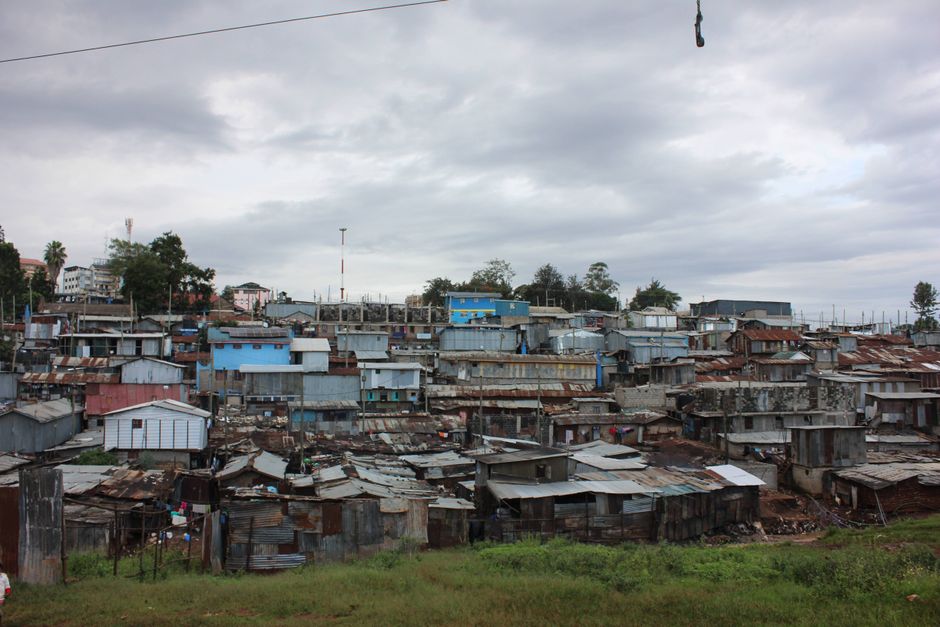
A two-bedroom apartment along Ngong Road will now set a renter back nearly KES 90,000 a month—nearly double the asking rent for similar properties in Nakuru’s Milimani or Eldoret’s Kapsoya. This gulf between Nairobi and Kenya’s rising regional markets is forcing both renters and would-be buyers to reconsider where they call home as affordability slips further out of reach in the capital.
What’s driving the rush to compare? Surging prices in the Nairobi metropolitan area mean more households confront tough choices: downsize, move further out, or relocate regionally. This year, the Housing Finance Corporation (HFC) tracked a 12% jump in average rental prices within Nairobi’s prime zones since January. At the same time, a persistent home ownership drought—fewer than one in five Nairobi households own the home they live in, according to KNBS—keeps demand high and options thin.
In Westlands, a one-bedroom unit at the popular Runda Park on Limuru Road now averages KES 55,000 in monthly rent. Over in Lavington, buyers seeking a family townhouse on James Gichuru Road should expect to pay north of KES 38 million. Week after week, property listings at Nairobi Gate and the fast-growing Two Rivers complex carry escalating figures, even as more white-collar tenants flirt with the idea of commuting from satellite towns. Local realtors like HassConsult have seen buyer enquiry rates for neighbouring counties double since last quarter, with Kiambu and Machakos topping the list.
The city’s middle class, squeezed between surging borrowing rates and stagnant wages, is quietly drifting outward. "Many of our clients are pausing Nairobi purchases to look at Athi River, Ruaka or even Thika, where a three-bedroom stand-alone house can still be had for KES 7.5 million," said a sales agent with Optiven. Areas like Syokimau, with new SGR and Expressway access, are seeing occupancy rates climb as families price out of traditionally popular Nairobi suburbs such as Kileleshwa and Kilimani.
Fresh data from the Kenya Bankers Association puts Nairobi's average asking price for a new-build apartment at KES 15 million. In contrast, buyers in Kisumu’s leafy Milimani area or Nakuru’s Section 58 are still seeing price tags around KES 6-9 million for similarly sized homes. Rental price disparities are even starker: Eldoret's upscale Elgon View apartments rent for as little as KES 30,000 a month—less than half of what landlords ask in Kilimani or Parklands. For many Nairobians, that difference easily covers a monthly car payment, or even the cost of weekly flights back to the capital for work.
While amenities and job markets in regional cities still lag the capital, infrastructure upgrades are closing the gap; for instance, the completed expansion of the Nkrumah Road bypass in Mombasa is drawing new investors and driving up rental occupancy, according to a June CBRE report. The government’s Boma Yangu affordable housing program is deploying its next phase in Kisumu and Nakuru, adding to their allure.
For those weighing rent against buying, a home loan of KES 10 million in Nairobi—at today’s 14% average rate—means a monthly mortgage repayment above KES 120,000. In less volatile Eldoret or Mombasa, repayments are far lower, stretching average incomes less painfully.
The coming months will see more pressure on Nairobi rentals as supply struggles to keep pace, especially near major employment nodes like Upper Hill and Westlands. For those relocating or buying for the first time, a close analysis of rental yields, local services and resale prospects can make regional towns an unexpectedly strong contender. Industry analysts at Knight Frank recommend prospective buyers weigh not just the sticker price, but also projected rental demand, access to schools like Riara or Aga Khan Academy, and commute times to key business parks.
Nairobi may remain the regional giant, but for more Kenyans—especially younger families—the lure of an affordable, spacious home in counties like Nakuru, Kiambu or Uasin Gishu is looking less like a sacrifice and more like an opportunity. As the cost of capital city living climbs higher on Maina Soko Estate or Ole Sereni stretches, the national housing conversation is rapidly turning regional.
How does this story make you feel?
Spread the word
About this article
Published by The Daily Nairobi
Daily brief
Free, in your inbox before 7am. Weekdays.
More in Property