Nairobi’s Rent-Vesting Strategy: Renter or Buyer? A Fresh Path to Home Ownership Explained
With Westlands and Kileleshwa property soaring, Nairobi’s urban professionals are turning to rent-vesting—renting in the city, buying elsewhere—to get ahead.
With Westlands and Kileleshwa property soaring, Nairobi’s urban professionals are turning to rent-vesting—renting in the city, buying elsewhere—to get ahead.
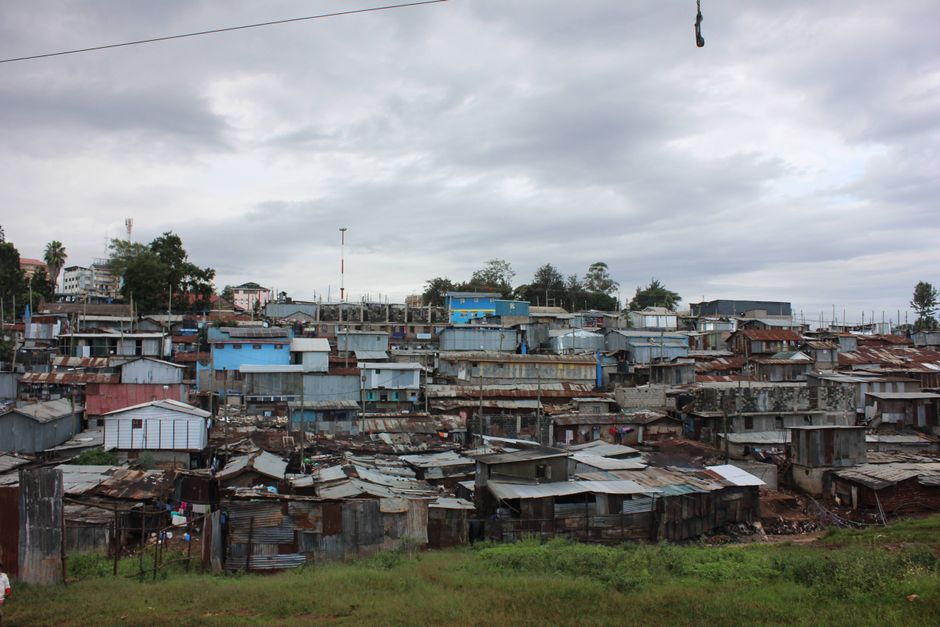
Urban affordability headaches are driving a surge in Nairobi’s rent-vesting trend, where tenants rent close to work in pricier locales but buy property in emerging zones on the city’s outskirts. The KES 15 million average for a Nairobi home has put traditional home ownership out of reach for many, but rent-vesting is enabling a new class of investors to enter the property market earlier and on more flexible terms.
The strategy is gathering steam at a time when developers are regularly breaking ground along Nairobi’s expanding commuter belt. Ruaka and Syokimau, two key nodes on the city’s satellite rim, have seen rapid apartment construction and infrastructure upgrades, thanks in part to new road links and SGR stops expected to cut city commute times by up to 30% over the next year. Meanwhile, estates in Lavington and Westlands remain coveted—offering walkable lifestyles but commanding rents easily exceeding KES 100,000 monthly for a two-bedroom.
While tenants continue to flock to Kilimani and Kileleshwa for proximity to retail magnets like Yaya Centre and Adlife Plaza, aspiring buyers, especially younger professionals, are opting to rent here while securing home loans for investment units farther afield. According to HassConsult’s Q1 2026 property index, rent for a mid-range two-bedroom apartment in Lavington averages KES 120,000 per month, while a similar place in Syokimau lets for just KES 28,000—and can be purchased outright for under KES 6 million. This gap is stoking demand for rent-vesting, allowing city dwellers to live near their offices and social hubs, but invest in emerging zones benefiting from the government’s affordable housing incentives and ballooning rental demand.
Banks such as Co-op Bank and NCBA are already marketing mortgage products directly to this new cohort. “We’re definitely seeing inquiries rise for people wanting affordability without sacrificing city amenities,” an NCBA property loans consultant said, speaking off the record. Some Kenyans are leveraging the Kenya Mortgage Refinance Company’s (KMRC) below-market rates, fixed at 9.5%, to buy units in Ruaka, while continuing to rent in Westlands or Riverside for under KES 150,000 a month.
It’s no longer unusual for a professional working off Chiromo Road or in Upper Hill to allocate KES 130,000 monthly rent where they live, but own an apartment in Athi River or Komarock, renting it out for KES 25,000 a month. The monthly mortgage on a KES 5.5 million apartment at current rates can be as low as KES 40,000, making it possible to cover costs with rental income—or let the unit appreciate for resale down the line.
According to the Kenya National Bureau of Statistics, Nairobi's population grew by 3.9% last year, pushing up rents even further in premium districts. Meanwhile, developers at Tatu City and Eastlands are reporting record demand for off-plan investments—highlighting how the city’s affordability gap is driving a two-pronged approach to living and investing.
For prospective buyers, the practical advice is this: crunch the numbers before leaping into either tenancy or ownership. Use mortgage calculators, consider rent yields in areas like Ruai or Kahawa Sukari, and talk to banks about low-deposit options. With city rents poised to rise further and infrastructure improvements opening up new districts, rent-vesting could offer a shot at both lifestyle and long-term security—if executed with clear-eyed budgeting and realistic expectations.
How does this story make you feel?
Spread the word
About this article
Published by The Daily Nairobi
Daily brief
Free, in your inbox before 7am. Weekdays.
More in Property