Rent-Vesting in Nairobi: Can You Get Ahead by Renting Where You Live and Buying Where You Don’t?
With premium property prices outpacing income growth in Nairobi’s top neighbourhoods, an emerging strategy offers a new path to building wealth.
With premium property prices outpacing income growth in Nairobi’s top neighbourhoods, an emerging strategy offers a new path to building wealth.
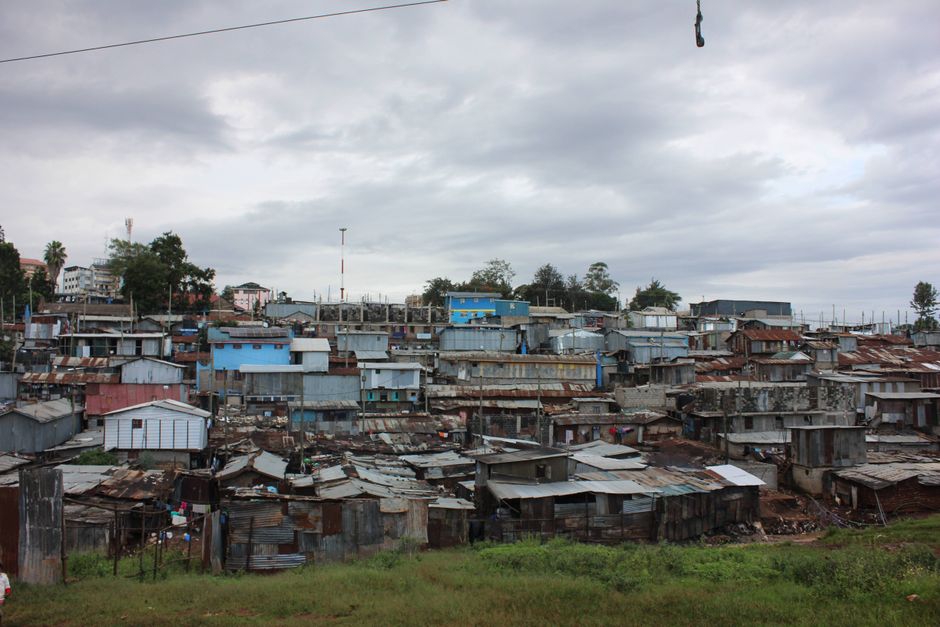
In Nairobi this July, with average property prices in core city zones pushing KES 15 million, a growing group of ambitious young professionals are embracing 'rent-vesting'—choosing to rent in an area they love, while investing in property elsewhere to get a foothold on the city’s ever-steepening property ladder.
This pivot in strategy comes as a direct response to an affordability crunch worsening in 2026. Salary growth in key sectors has struggled to match the double-digit jumps in apartment prices in Westlands, Lavington, and even the once-modest Kilimani, squeezing first-time buyers out of aspirational urban neighbourhoods. Meanwhile, headlines from across the globe warn of extreme climate events and economic uncertainty, adding urgency to the search for both stable housing and smart investments in Kenya’s capital.
In the leafy streets around Waiyaki Way in Westlands, a two-bedroom flat now easily commands upwards of KES 120,000 per month—well out of reach for many looking to buy, with purchase prices around KES 20 million for the same calibre of unit. By contrast, Ruaka, just north of the CBD, still offers brand-new townhouses for as little as KES 8 million. Developers like Mi Vida and Centum’s Pearl Heights are courting first-time investors with flexible payment terms, aware that buyers may never choose to live in those units themselves.
The rent-vesting model is simple: Live where you want as a tenant, but own property where price growth potential and rental yields are more attractive. This has produced a quiet surge of absentee landlords investing in satellite zones like Syokimau and Kitengela, renting out newly built apartments to Nairobi’s ever-expanding commuter class while continuing to rent in hotspots like Kileleshwa or Kilimani. "A lot of our clients are working in the CBD or Upper Hill but can't afford to buy there," says a senior agent at HassConsult. "So they rent luxury apartments in Lavington and invest in outer Nairobi, where prices are more accessible."
Data from the Kenya Bankers Association’s Housing Price Index demonstrates the math driving this strategy. In Q2 2026, the median price for a newly built two-bedroom in Westlands was KES 18 million—requiring at least a KES 3.6 million deposit plus mortgage repayments topping KES 180,000 per month. In contrast, the same deposit could secure a full apartment in Syokimau or even two in Ruaka, with typical rental yields of 7-9% reported in those emerging corridors.
Meanwhile, city-wide rent inflation (CPI Housing July 2026: 7.3%) is outstripped by equity growth in some up-and-coming nodes: HassConsult’s Q2 report projects year-on-year price increases of 13% in select Ruaka developments. For mobile professionals, this math means that the dream of homeownership doesn’t mean giving up the cosmopolitan lifestyle of central Nairobi—they simply become both investor and tenant at once.
While Nairobi’s rental market is projected to keep tightening—especially in prime areas—rent-vesting offers a practical solution for a generation squeezed by property inflation but determined to build long-term wealth. Would-be buyers should scrutinize lease agreements and projected rental yields, and keep an eye on infrastructure developments: the planned Bus Rapid Transit (BRT) expansion through Gikambura and Kamakis could be a game-changer for commuter zones. And as always, financial due diligence is key—navigating payment plans and management fees, and ensuring properties have proper titles, is essential in Nairobi’s high-stakes real estate market.
For now, expect more Nairobians to sign a lease in their favourite neighbourhood — and then close a sale with a developer somewhere just a little further out.
How does this story make you feel?
Spread the word
About this article
Published by The Daily Nairobi
Daily brief
Free, in your inbox before 7am. Weekdays.
More in Property