What Nairobi Renters Can Do When Leases End Amid Tight Supply
With rental vacancies shrinking in popular neighbourhoods, tenants face tough choices—here’s how to navigate the crunch.
With rental vacancies shrinking in popular neighbourhoods, tenants face tough choices—here’s how to navigate the crunch.
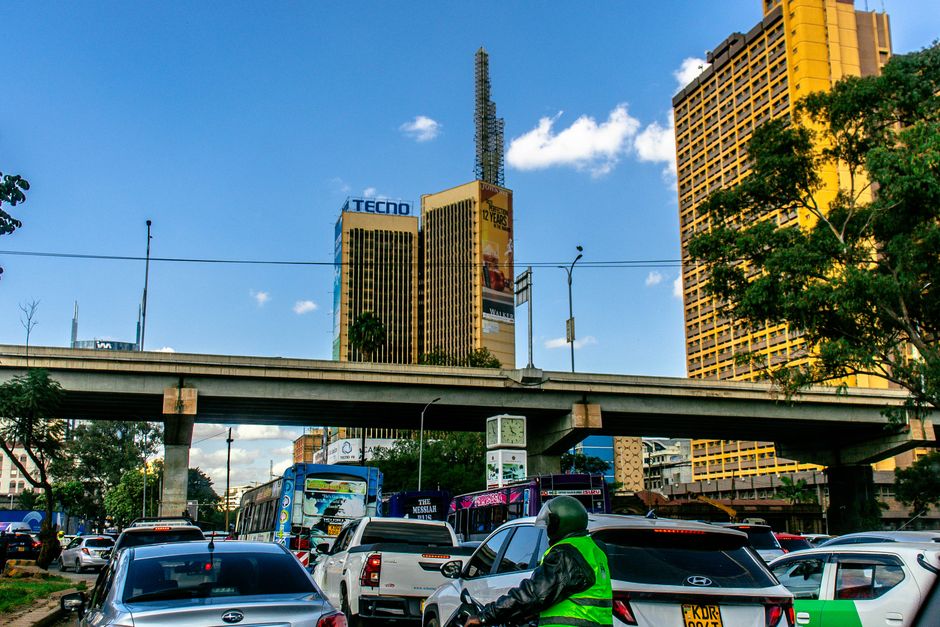
Grace Njuguna, a graphic designer based in Kileleshwa, received her three-month notice last week: her KES 65,000-a-month two-bedroom apartment on Mandera Road would not be available for renewal this September. The building’s German owners are converting it for short-stay guests. Njuguna represents a growing class of middle-income renters now scrambling for options as Nairobi’s rental supply tightens and prices continue their steady climb.
In Kileleshwa and Kilimani, demand for mid-to-upper market rentals is outpacing supply. Multiple large complexes on Oloitoktok Road, such as The Epitome Residences and Madaraka Apartments, report waitlists. Letting agents say that even modest units in these zones—favoured for proximity to offices in Upper Hill and Westlands—are snapped up within days.
This matters now because the city’s population is swelling. According to the Kenya National Bureau of Statistics, Nairobi’s population topped 5 million in the 2026 midyear estimate. Urban migration continues apace, and new projects—such as the ongoing Riverside Drive expansion—aren’t keeping up with demand. The Kenya Property Developers Association says unit completions fell 10% in 2025 compared to the previous year, pausing hopes for a spike in new listings.
The average apartment price in Nairobi reached KES 15 million this quarter, according to HassConsult’s latest property index, while the mean monthly rent for a two-bedroom in Kilimani now stands at just over KES 70,000. For those unable or unwilling to buy, choices narrow as leases expire. The Nairobi Tenants Association recommends starting the apartment hunt at least 90 days ahead of lease expiry. Estate agents at Palace Real Estates in Lavington warn renters to be wary of scammers, who are proliferating on popular social media group pages promising 'exclusive' early access, often demanding non-refundable reservation fees.
Some tenants are banding together. In Ruaka and Syokimau, WhatsApp pool groups have emerged, vetting listings and organizing viewings collectively to increase negotiating power for bulk lease renewals. Others are negotiating longer fixed terms—18 to 24 months—with landlords, hoping to lock in current rates before further increases, particularly near transit corridors and shopping destinations like The Triangle Mall or Two Rivers.
For those needing to move fast, experts advise expanding search criteria to peripheral neighbourhoods. Areas like Waiyaki Way’s stretch west of Mountain Mall and new builds off Mombasa Road are now marketed for accessibility and modern finishes. In April, Premier Residences launched a package in Thindigua offering three months’ free rent for 18-month leases, hoping to draw in tenants priced out of central zones.
Meanwhile, renters facing uncertainty should gather documentation—NSSF letters, salary slips, and reference letters—well ahead of applications to get a jump during weekend viewings. According to Knight Frank Kenya, prospective renters who submit all documentation up front are 40% more likely to secure a lease in Westlands and Lavington. For now, tenants exiting expiring leases must plan early, cast a wider net, and work in concert—because Nairobi’s rental squeeze shows few signs of easing before 2027.
How does this story make you feel?
Spread the word
About this article
Published by The Daily Nairobi
Daily brief
Free, in your inbox before 7am. Weekdays.
More in Property