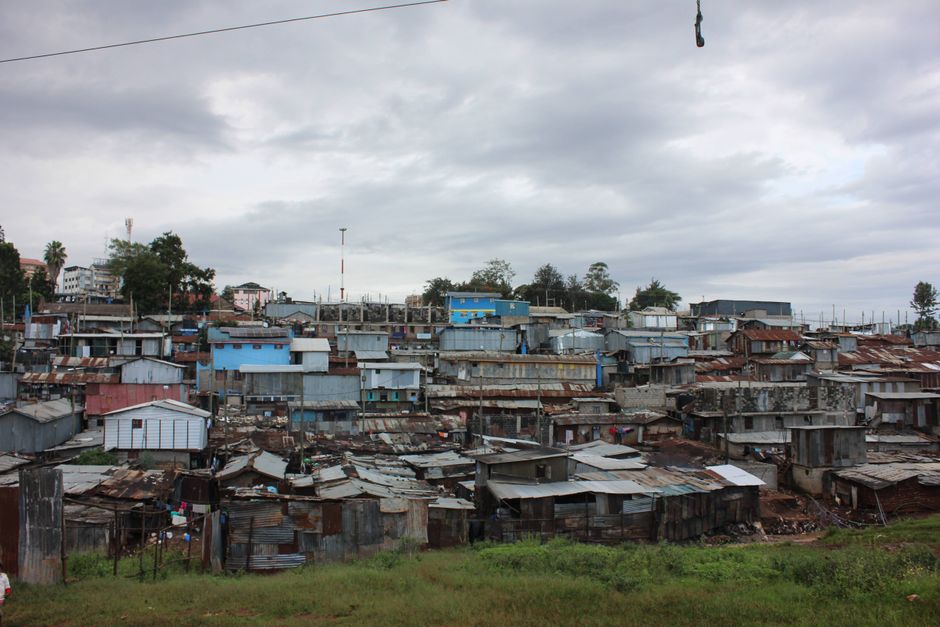
Fewer than one in thirty apartments in Kilimani is sitting empty on any given day. That single figure, drawn from lease-up data compiled by Nairobi-based agency Gimco Real Estate for the second quarter of 2026, captures why finding a decent two-bedroom in the city's middle-belt suburbs has become an exercise in speed-dialling landlords the moment a listing goes live. Competition for rental units in Nairobi is as intense as it has ever been, and the maths increasingly suggests that those who can scrape together a deposit are better off buying — except the deposit itself remains the impossible hurdle for most households.
The timing matters. Kenya's urban population is growing at roughly 4.2% a year, faster than the formal housing stock can absorb it. The Kenya Mortgage Refinance Company, which was set up in 2018 to deepen long-term mortgage lending, reported in its 2025 annual review that mortgage uptake still covers fewer than 30,000 active loans nationally — in a country of 56 million people. Meanwhile, developers have concentrated new supply at the high end, with studio units in Westlands routinely listing above KES 55,000 a month and three-bedrooms in Lavington clearing KES 130,000. The gap between what the middle class earns and what both renting and buying costs has simply not closed.
Why Vacancy Rates Are So Tight
Three forces are compressing supply simultaneously. First, the post-pandemic return of multinational staff to Nairobi — particularly along Waiyaki Way and around Gigiri, where embassies and UN agencies cluster — pushed premium-tier demand up sharply from late 2024 onward. Second, internal migration from Kisumu, Nakuru, and the wider Mount Kenya region continues feeding demand in the Ruaka corridor and along Thika Superhighway, where a decent one-bedroom now fetches KES 22,000 to KES 28,000 a month. Third, the Affordable Housing Programme under the State Department for Housing has delivered fewer completed units than projected; the Pangani Estate redevelopment, which was supposed to add 1,562 units near Thika Road, remains only partially occupied as of mid-2026.
Kileleshwa tells the story clearly. A two-bedroom unit on Elgeyo Marakwet Road that rented for KES 65,000 in January 2024 is now commanding KES 78,000 — a 20% jump in eighteen months — and the landlord reportedly received seven applications within 72 hours of listing. Property managers at Hass Consult, one of the city's larger agencies, have noted publicly that well-priced units in Kilimani and Kileleshwa are being taken within a week of listing, a turnaround that was two to three weeks just three years ago.
The Buy-vs-Rent Calculation Still Doesn't Add Up for Most
Run the numbers and buying looks rational on paper. A KES 15 million apartment in Syokimau — near the Nairobi Commuter Rail terminus — financed over twenty years at Kenya Commercial Bank's current indicative mortgage rate of 13.5% per annum requires monthly repayments of roughly KES 185,000. That is painful, but the same unit rents for KES 45,000 a month, meaning a buyer is building equity rather than simply paying someone else's bond. The problem is the entry cost. A 10% deposit on that KES 15 million unit is KES 1.5 million, plus stamp duty of 4% on properties above KES 6 million and legal fees. Total upfront cost approaches KES 2.3 million — more than two years' gross salary for a mid-level civil servant.
For households caught in that bind, a few practical steps can improve the rental search. Registering directly with property managers such as Hass Consult, Pam Golding Kenya, or Knight Frank Nairobi — rather than relying on listing aggregators — puts applicants one step ahead of the crowd. Targeting growth corridors like Ruaka, Roysambu, or Athi River rather than established hotspots cuts monthly rent by 30 to 40% for comparable space. And for those serious about buying, the Kenya Mortgage Refinance Company offers a social housing mortgage product with a subsidised rate of 9.5% for households earning below KES 150,000 a month — a product that many eligible Nairobians have simply never been told about.
The vacancy crunch is structural and unlikely to ease before 2028 at the earliest, when a new wave of Affordable Housing Programme units is projected to reach the market. Until then, the rental queue only gets longer.