How Much Rent Is Too Much? The 30% Rule in Practice in Nairobi
With rents across Nairobi climbing and home prices outpacing incomes, the old metric that rent should not swallow more than 30% of your pay faces its toughest test yet.
With rents across Nairobi climbing and home prices outpacing incomes, the old metric that rent should not swallow more than 30% of your pay faces its toughest test yet.
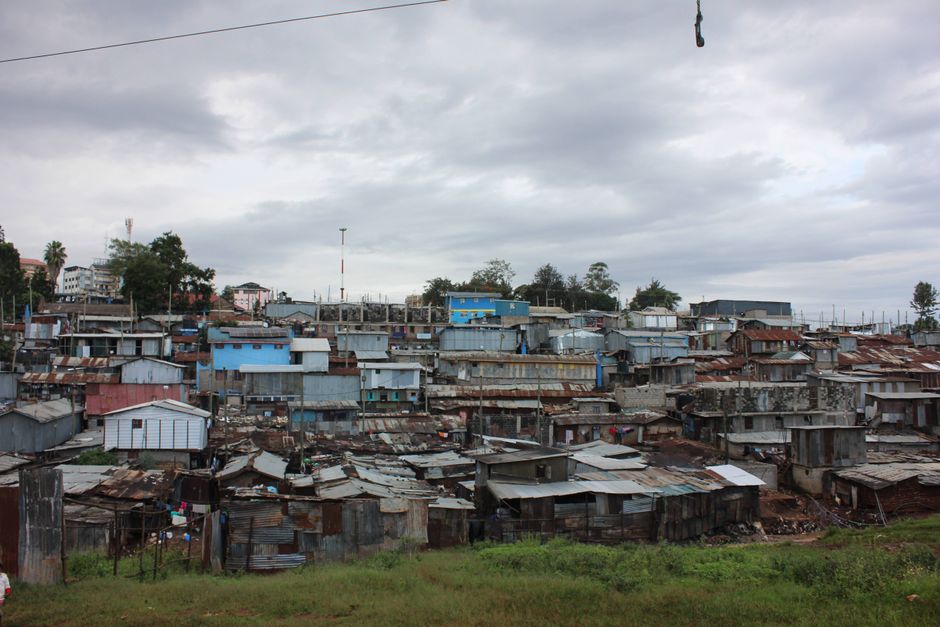
For many Nairobi residents, the end of the month brings a familiar anxiety: can this month's rent still fit comfortably within their budget? As rents in hotspots like Westlands and Lavington edge higher—averaging KES 120,000 per month for a standard two-bedroom, according to HassConsult's Q2 2026 report—the classic 30% rent-to-income rule is being stretched past its limits.
That rule, which real estate agents on Ngong Road and mortgage lenders like Kenya Commercial Bank have been touting for decades, faces renewed scrutiny in a city where gross monthly incomes struggle to keep up. The squeeze comes as Nairobi cements its role as East Africa’s economic powerhouse and sees an influx of tech professionals, returnees, and young families hunting for decent and affordable homes. The issue has gained urgency after recent data showed housing taking a growing slice of urban household budgets, squeezing funds for food, schooling, and healthcare.
Consider this stark comparison: The average net monthly salary in the city is about KES 75,000, Nairobi-based recruiter BrighterMonday estimates. For a mid-level apartment in Kileleshwa—currently listing for around KES 70,000—rent alone would gulp more than 90% of that paycheck. Even in rapidly gentrifying Ruaka, a studio rarely dips below KES 25,000, pushing even frugal single renters above the recommended 30% band. Meanwhile, mortgage payments for an average KES 15 million Westlands apartment (with current rates hovering at 13% per annum) would require monthly outlays of at least KES 140,000—double the city’s median household income.
Developers point to approval delays at City Hall and rising cement prices as pressure points, but for tenants, the bottom line is unchanged: fewer affordable options within the city core. Affordable housing schemes, like the government-backed Park Road project in Ngara, promise relief, but with waiting lists stretching into 2027, few see these as an immediate fix. Some young professionals are turning to shared apartments along Mbagathi Way or seeking out co-living operators in South B to bridge the budget gap.
The origins of the 30% rule stretch back to mortgage affordability guidelines used in the US and UK decades ago. Nairobi’s economic realities differ sharply. Data from Kenya National Bureau of Statistics (KNBS) shows household disposable income lagging behind rent inflation since 2022; housing costs for urban tenants rose by an average of 10% per year, while incomes rose just 6%. The knock-on effects are visible at Kasarani’s bustling apartment blocks, where renters juggle side hustles and skip meals to keep landlord arrears at bay. The Housing Finance Corporation’s 2025 study flagged that 41% of Nairobi renters now spend more than one-third of their income on housing—well above what’s considered sustainable internationally.
With limited rent controls outside the old Nairobi Rent Tribunal precincts, and market rates continuing to spike in the run-up to the August 2027 general elections, renters are left to fend for themselves.
For those doing the maths on their next move, property consultants suggest a hard pause at a 35% threshold of monthly net income for rent. "If your rent eats more, it is time to negotiate harder or start eyeing the commuter suburbs—Syokimau, Utawala and beyond—or consider homeownership, even with its own headaches," one estate agent on Waiyaki Way said yesterday. For now, experts agree: stick fiercely to your budget, scan for employer housing perks, or consider sharing space until the next cycle of government builds catches up with demand. It may be months—or years—before the 30% rule feels realistic again for most Nairobians.
How does this story make you feel?
Spread the word
About this article
Published by The Daily Nairobi
Daily brief
Free, in your inbox before 7am. Weekdays.
More in Property