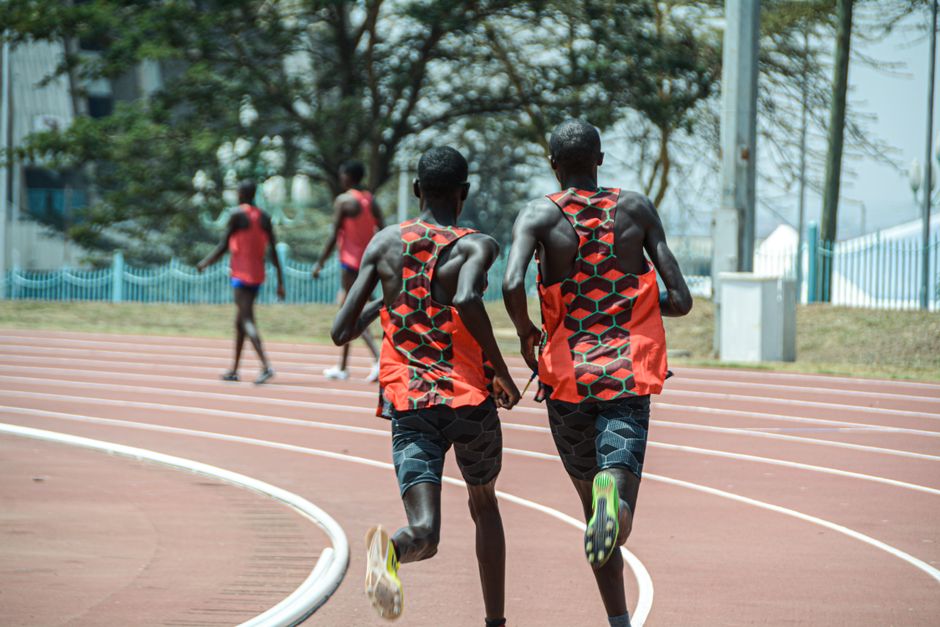
On any weekday before dawn breaks over the city, hundreds of runners congregate at key points across Nairobi—Uhuru Park's southern entrance, the Ngong Road stretch near Safari Park Hotel, the leafy paths threading through Karura Forest. What unites them isn't just the pursuit of personal fitness; it's membership in a growing ecosystem of endurance sports clubs that have become as much about community weaving as cardiovascular health.
The Nairobi Running Club, which meets primarily along the Ngong Hills corridor and surrounding estates, has grown from roughly 300 active members in 2022 to over 1,200 today. Similar trajectory stories play out across the city's cycling and triathlon collectives. The East African Cycling Federation reports that recreational cycling clubs in the Nairobi metropolitan area have nearly tripled their combined membership in four years—a phenomenon mirrored in the explosive growth of triathlon participation, with entry fees to local sprint events now regularly attracting 500-plus competitors.
Club membership fees typically range from Ksh 2,000 to 5,000 annually, making structured training accessible beyond elite athletes. What distinguishes these organisations is their integration into local neighbourhoods. Riverside Runners, based near the Nairobi River rehabilitation zones, doubles as a community safety initiative, with group runs creating visible foot traffic in previously underutilized corridors. Westlands Cycling Club uses the predictable grid of streets in that business hub as a training laboratory, drawing professionals who've woven weekday rides into their work culture.
The infrastructure supporting these clubs has matured considerably. Nairobi Dam has evolved into an informal hub for triathlon training, while purpose-built facilities at facilities near the Nairobi Sports House on Mombasa Road now offer transition zones and coaching. Several clubs partner with physiotherapists and nutritionists based in Upper Hill and Kilimani, creating wraparound services that kept members engaged year-round.
Beyond the physical, these clubs function as social scaffolding in a sprawling city. Weekly group runs serve as networking hubs; club WhatsApp groups evolve into mutual aid networks where members share job leads, childcare recommendations, and mental health support. The camaraderie forged on early-morning runs through Ngong Hills or weekend cycling expeditions to Limuru has demonstrably reduced isolation in a metropolis where anonymity often prevails.
As Nairobi continues its rapid expansion, these endurance sports clubs are quietly redefining what community means—proving that the fastest way to build social cohesion might be at a steady running pace.
This article was compiled by AI and screened before publishing. See our editorial standards.